
Metro Magazine

 MENU
MENU SEARCHMENUSEARCH
Loading data...
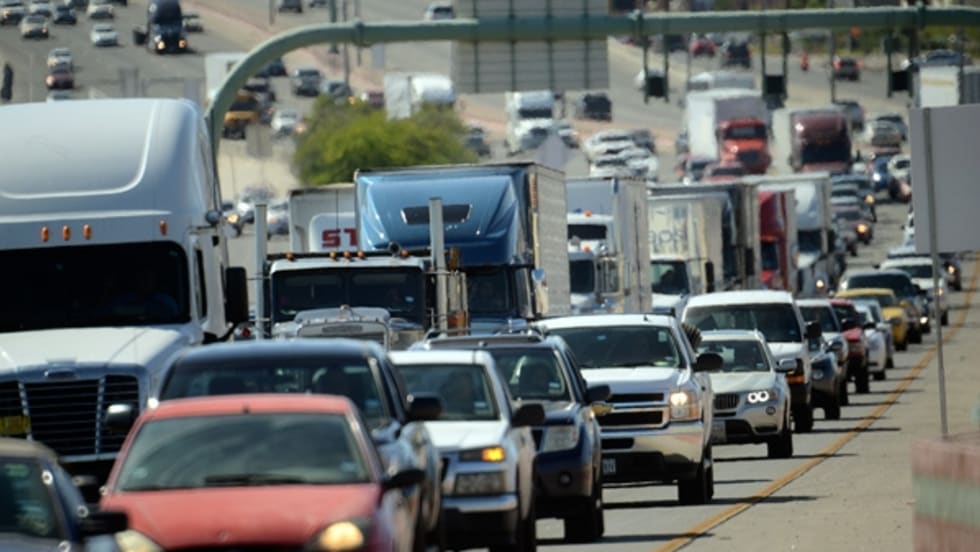
Washington, D.C. tops the list of gridlock-plagued cities, with 82 hours of delay per commuter, followed by Los Angeles (80 hours), San Francisco (78 hours), New York (74 hours) and San Jose, Calif. (67 hours).
Read More →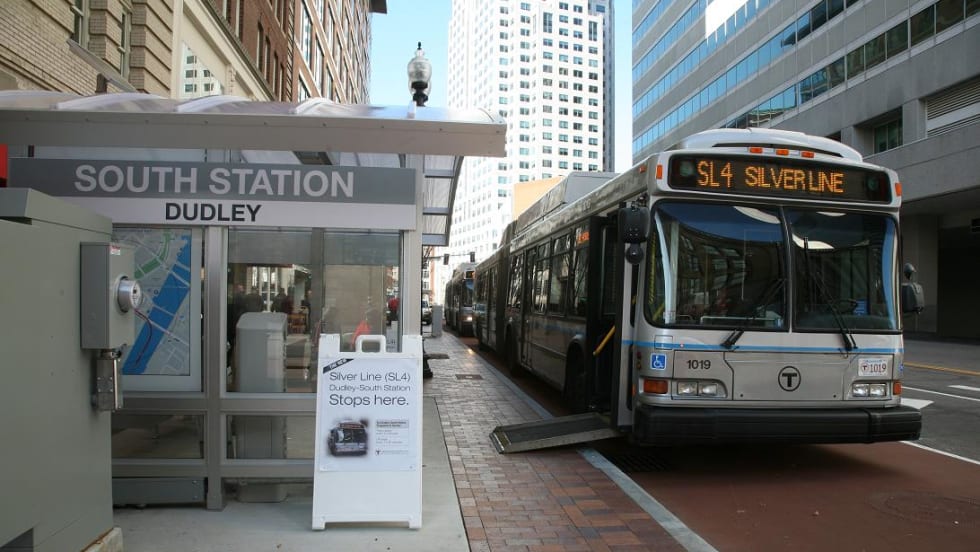
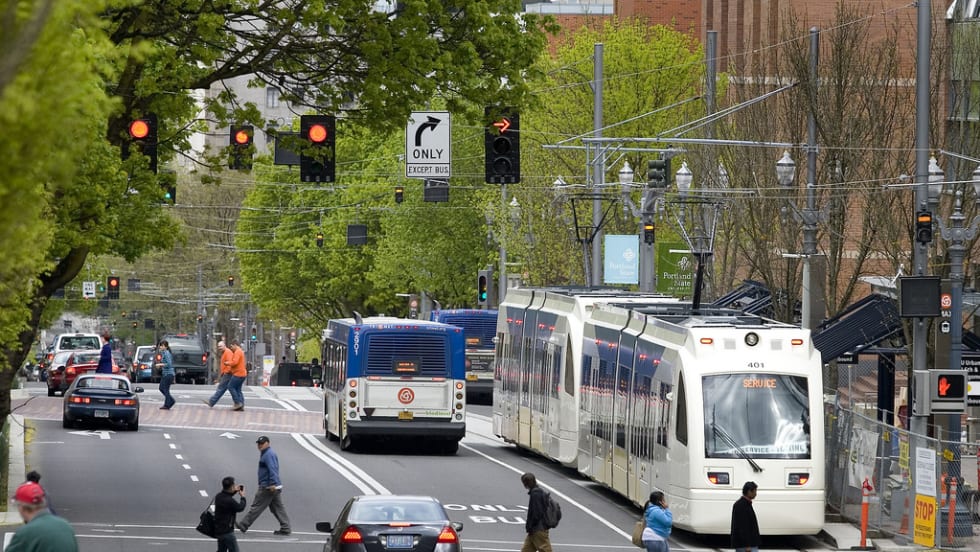

The report argues that the city should be pushing for the “gold standard” of BRT. That would include a control station that monitors buses and ensures they come at well-spaced intervals and enclosed stops that shelter customers.
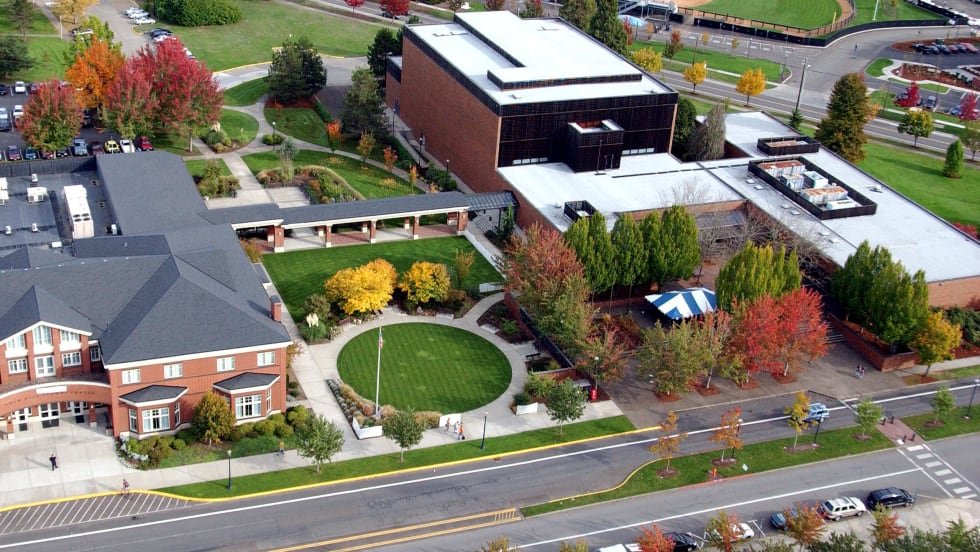
Read More →The key component of the program is a zonal pricing system that charges students, faculty and staff more to park closer to the campus core and less to park further away and shuttle in.
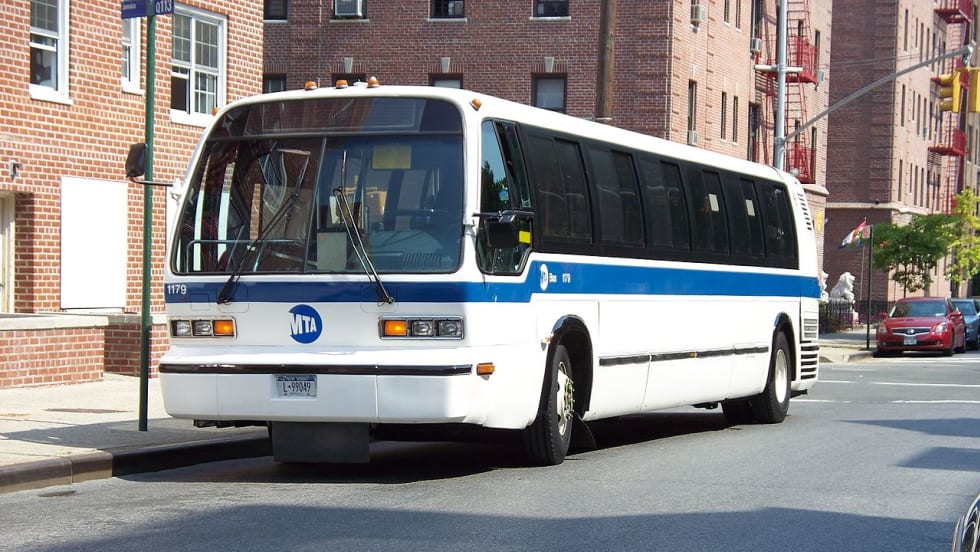
Read More →Tens of thousands have been ditching the bus in Brooklyn and Manhattan, while there were modest gains on Bronx and Staten Island routes; Queens had a small decline in ridership, according to the MTA figures. The decline is attributed to traffic congestion and fare hikes.
Read More →Overall, 54% prefer focusing on public transit, while four in 10 say the government should focus on expanding and building roads instead. Preference for public transit, though, ranges from 61% of urban residents to 52% of suburbanites and 49% of people in rural areas.
Read More →Agencies chosen by their role in reducing pollution, minimizing traffic congestion and encouraging more sustainable city living.
Read More →At ITS America, we are all about using technology to solve America’s transportation challenges. As federal and state budgets shrink, traffic gets worse and our roads and bridges continue getting older, we decided it was time to rethink how we address our nation’s transportation goals for the future. Out of this thinking, we created the ITS America Leadership Circle.
Read More →Public policy and economics experts from UCLA and China’s Tsinghua University found that high-speed rail fuels real estate booms, reduces commuting times for those traveling to big cities, eases congestion in those cities and gives smaller towns more access to metropolitan hubs.
Read More →Denver was recently ranked among the top 40 cities in the 2012 Urban Mobility report, released by the Texas A&M Transportation Institute, based on hours of delay saved because of the use of public transit. The report also concluded that public transit saved 865 million hours of delay on U.S. roads.
Read More →The Planning Time Index (PTI), a measure of travel reliability, illustrates the amount of extra time needed to arrive on time for higher priority events, such as an airline departure, just-in-time shipments, medical appointments or especially important social commitments.
Read More →