
Metro Magazine

 MENU
MENU SEARCHMENUSEARCH
Loading data...

The five-year, multi-agency approach includes the Los Angeles County Sheriff’s Department, Los Angeles Police Department and Long Beach Police Department.
Read More →






Mike Anderson will lead RATP Dev North America's bus and rail security and safety projects and will work hand-in-hand with all company clients.
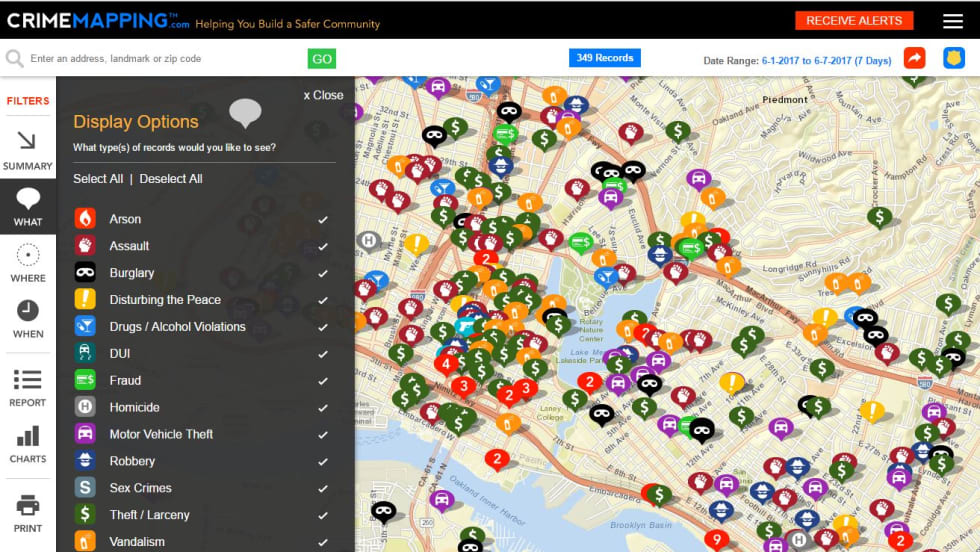
Read More →The site will process the crime data with its advanced mapping engine to show where the crime has occurred within the system.
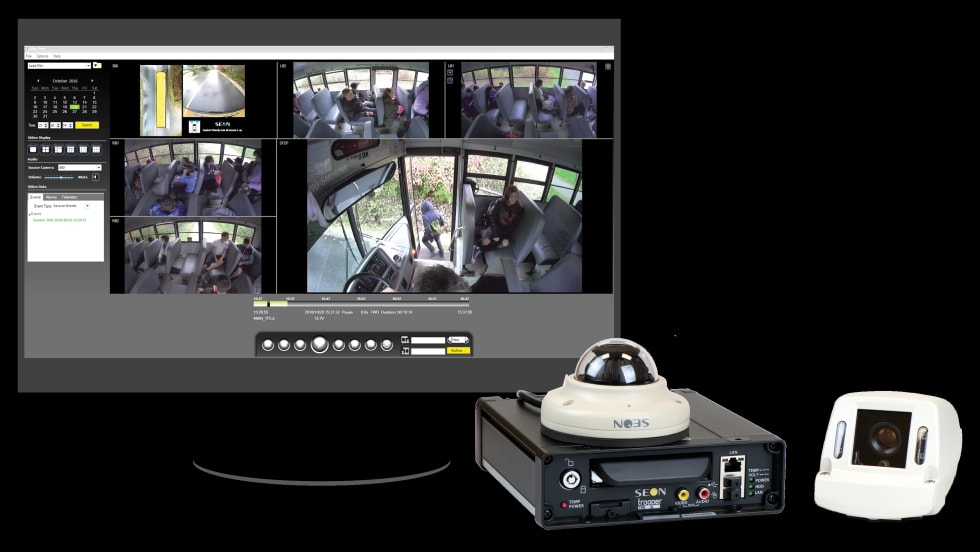
Read More →The new systems include the TH4, TH4C, and TH6 digital video recorders and the HD1 and HD3 interior dome and outdoor wedge cameras.
Read More →Metro Transit Police Chief Harrington said in a statement that it's not his agency's practice to inquire about immigration status and has asked for an internal investigation into the encounter.
Read More →Authorities struggled to get a good view of the suspect due to a vinyl bus wrap.
Read More →The uptick in violent incidents matches trends observed in large cities nationwide, according to crime experts.
Read More →Authorities found no evidence regarding a specific but uncorroborated threat made by a caller who warned that a bomb would blow up on Tuesday at the Metro Red Line's Universal City station.
Read More →The Sheriff’s Department, the sole agency policing the Metro transit system since 2003, has “poor system-wide visibility” and struggles to schedule enough deputies to meet required staffing levels, MTA says.
Read More →Under the approved proposal, additional staff will be assigned to key hubs, rail stations and parking facilities in addition to safeguarding critical infrastructure.
Read More →