



Security and Surveillance in Transportation
Physical security surveillance is one of the most vital facets of a transit system’s security plan. In the past, recording was primarily done by analog video cameras, but those systems are now updated with IP cameras that have features like greater data storage and ultra HD imaging. Moreover, today’s surveillance has moved beyond video to audio monitoring. By integrating audio and video, security directors have access to more evidence for reported incidents and accident investigations. Audio also provides accountability for employees, capturing if a train engineer was talking on his cell phone on duty or if a train ticket examiner was providing poor customer service.

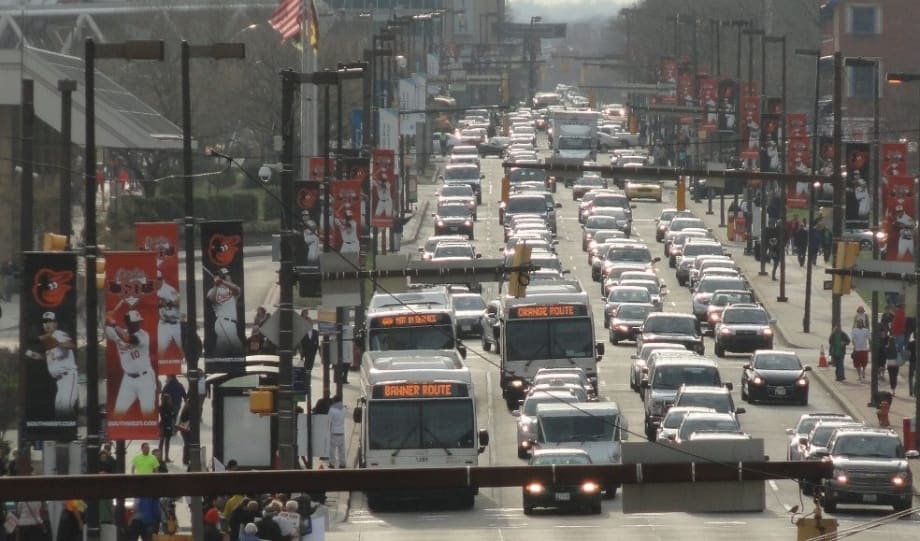
Photo: Maryland Transit Administration
Photo: Maryland Transit Administration
Each city’s transportation agency faces multiple security challenges that often include theft, assault and break-ins. Nothing is more important to a transit agency than the safety of its passengers and relying on guards can only do so much. There comes a point where those entrusted with security must rely on technology to supplement the eyes and ears for vigilant safety.
Physical security surveillance is one of the most vital facets of a transit system’s security plan. In the past, recording was primarily done by analog video cameras, but those systems are now updated with IP cameras that have features like greater data storage and ultra HD imaging. Moreover, today’s surveillance has moved beyond video to audio monitoring. By integrating audio and video, security directors have access to more evidence for reported incidents and accident investigations. Audio also provides accountability for employees, capturing if a train engineer was talking on his cell phone on duty or if a train ticket examiner was providing poor customer service.
The benefits of audio and video monitoring have inspired several transit agencies to use the integrated system. Most recently, the New York Metropolitan Transportation Authority (MTA) requested audio and video recorders be installed on more than 700 Metro-North and LIRR trains. The order came after the deadly December 2013 train derailment in the Bronx. Although the New York MTA’s response to increase its security after the accident is commendable, we recognize it is also a reactive decision. It is natural to consider enhancements to security plans in times of crisis, but it is better to proactively think about security upgrades that can prevent the disaster before it happens.
Such is the case with the Maryland Transit Administration. In 2012, Maryland Attorney General Douglas F. Gansler authorized the Maryland Transit Administration’s pilot program to install audio-video surveillance on more than 300 public buses. The cameras were already in place, but the agency quickly installed and configured the microphones.
Maryland Transit was also adept at managing the concerns over monitoring and privacy. The law states that recording is legal where there is no expectation of privacy. As such, Maryland Transit managed their commuters’ expectations by posting clearly visible signs on the buses that stated monitoring was taking place.
These situations illustrate noteworthy examples of transit agencies implementing audio-video surveillance technology, but what about across the industry? In fact, the Federal Rail Administration (FRA), or more specifically the Rail Safety Advisory Committee (RSAC), has been considering developing a standard that may require all lead train cabs to have audio and video recording devices. To learn more about the latest security technologies for trains, RSAC enlisted the help of the Security Industry Association (SIA). SIA, a trade association representing 500+ suppliers of electronic physical security and life safety products, met with RSAC several times in 2014 and presented their technology recommendations to RSAC last November. As RSAC works on such an important security policy that could set standards for years to come, they were wise to consult a security subject matter expert like SIA. Other transit agencies should follow RSAC’s example and collaborate with security professionals as they examine their own security plans.
Investing in audio and video monitoring and other security equipment truly benefits transit agencies. The more safe passengers feel, the more likely they’ll return and drive your bottom line. It’s an investment transit agencies can’t afford not to make.
Richard Brent, is the CEO of Louroe Electronics and a Security Industry Association Member.
More Blog Posts
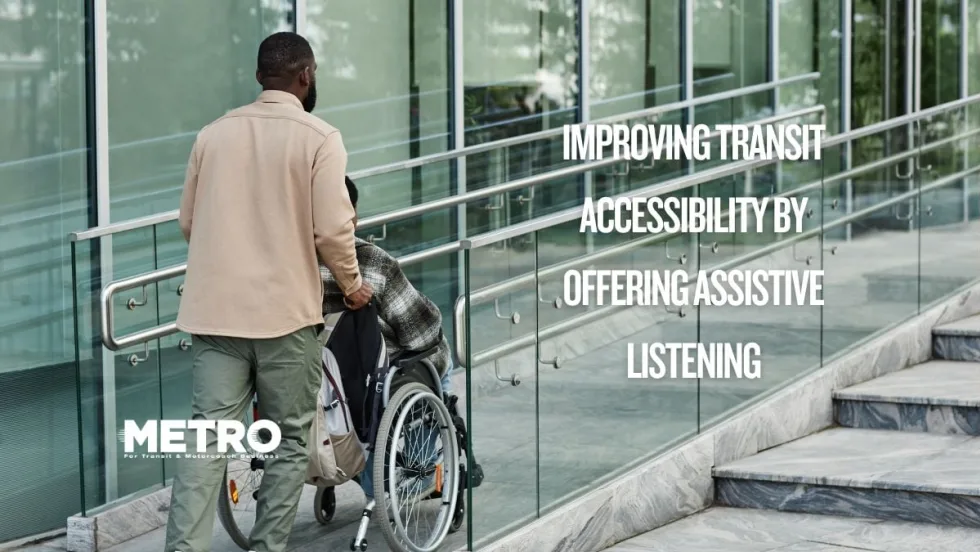
Improving Transit Accessibility by Offering Assistive Listening
Did you know that there are literally tens of millions of people worldwide with hearing loss, many of whom will use some form of public transit at some point?
Read More →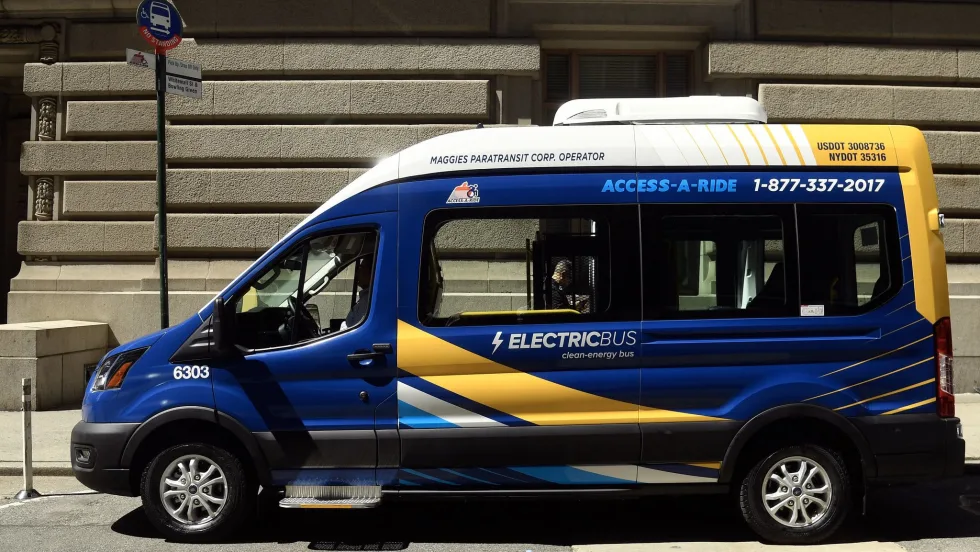
35 Years of the ADA, Making Travel Easier for Seniors
Thirty-five years after the passage of the Americans with Disabilities Act of 1990 (ADA), the impact of this landmark piece of civil rights legislation cannot be overstated.
Read More →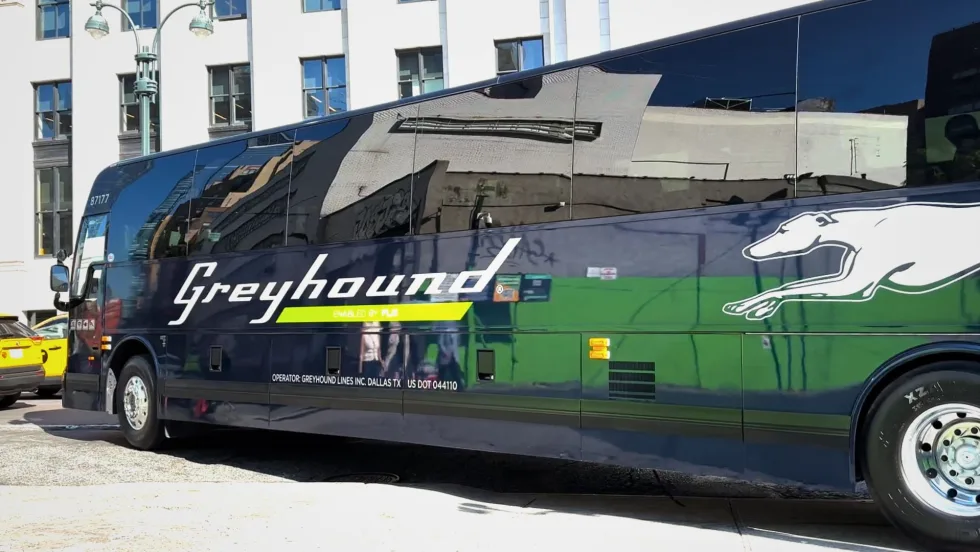
Driving Performance with Purpose: How I Lead One of Greyhound’s Top Teams
Safety, on-time performance, and customer experience are critical elements in intercity bus operations. But getting them right doesn’t come down to plans or protocols alone. It comes down to execution. How well your team performs on the ground, in real time, is what defines success.
Read More →
Navigating Emerging Privacy Laws: A Call to Action for Service Providers in Mass Transit
With Data Privacy Day Jan. 28, I want to spotlight a critical challenge faced by service providers in the mass transit sector: managing personal information responsibly in an era of rapidly evolving privacy regulations.
Read More →
Human Trafficking Awareness: What Public Transportation Can Do?
January is National Slavery and Human Trafficking Prevention Month in the U.S., and January 11 is National Human Trafficking Awareness Day.
Read More →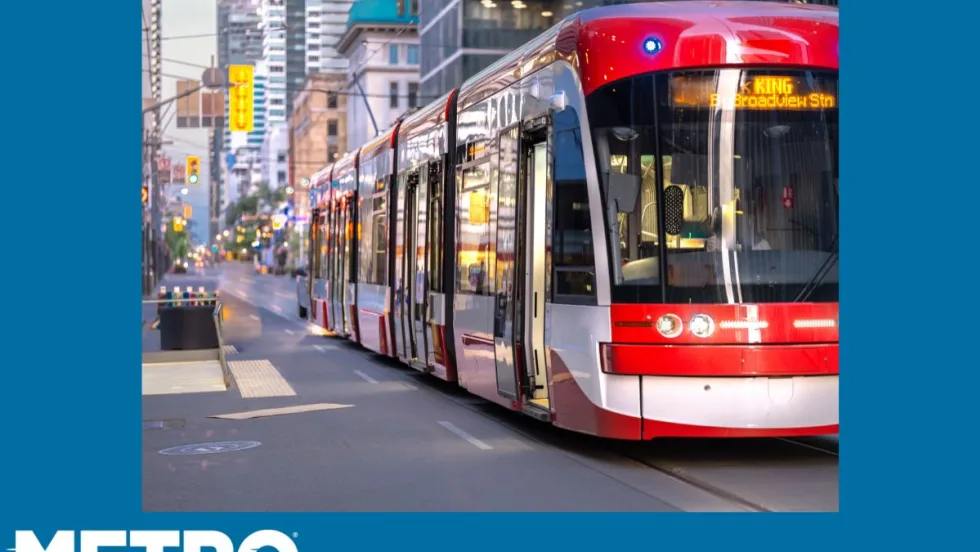
Want to Improve Transit Safety and Operations? Break Down the Silos
Retrieving and reviewing data and video can be a cumbersome process for fleet managers. Each system or tool provides a piece of the puzzle, but seeing the complete picture requires tedious manual synchronization.
Read More →
Ensuring Public Transit Cybersecurity Through Robust Protective Measures
In today’s highly connected world, cybersecurity is of utmost importance, particularly for transportation agencies overseeing transit bus systems that rely increasingly on sophisticated technologies, including the use of data analytics in traffic signal networks, to manage and operate their systems.
Read More →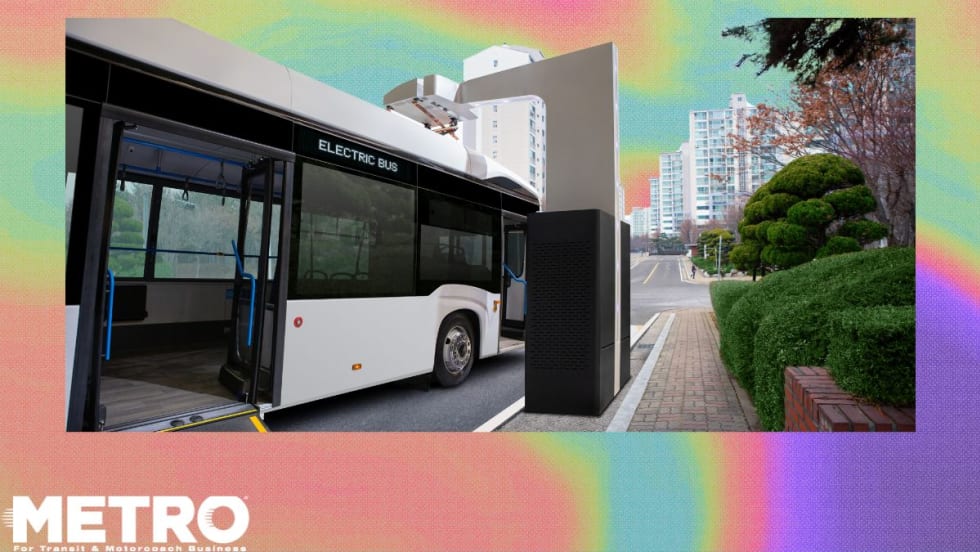
How Advances in Thermal Management Revolutionize Urban Mobility
In the daily hustle and bustle of city life, transit buses serve as the backbone of urban transportation, allowing millions of city dwellers to get from point A to point B each day reliably.
Read More →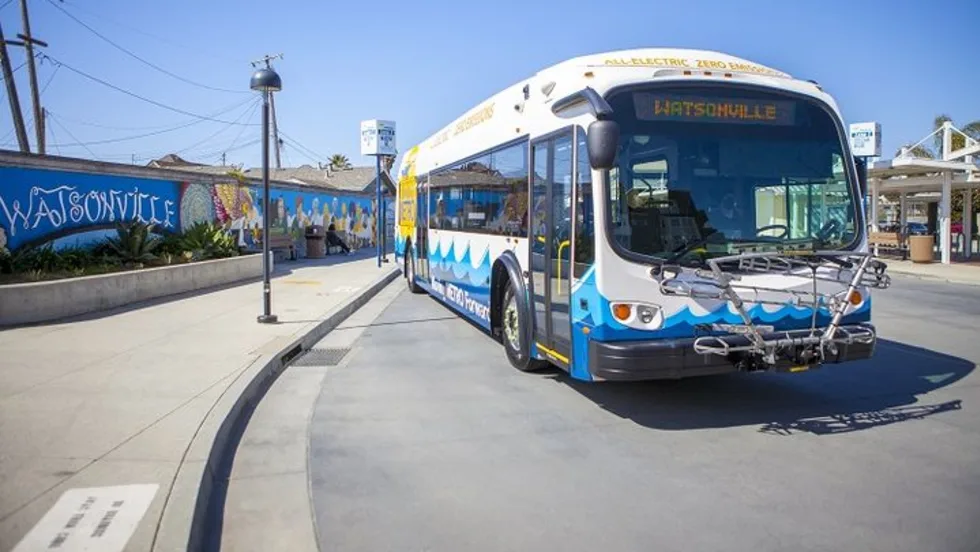
The Evolution of Bus Design
Thirty years ago, drivers not only had to drive the bus and navigate heavy traffic, but they were also responsible for tasks like supervising passenger loading and unloading, selling tickets, and providing passengers with various kinds of information, all while sitting in an often ill-fitting workstation.
Read More →
What 'Transit Safety 101' Really Means
Safety, Safety, Safety. This word is used repeatedly, and in many contexts, without most people understanding what it actually means.
Read More →