




RELATED: Minn. Metro Transit's police force growing with system
San Diego MTS police chief passes away
Bill Burke was 68 years old. He started with MTS in 2001, was promoted to director of security in 2004 and became its first chief of police in 2011.
June 30, 2015

1 min to read
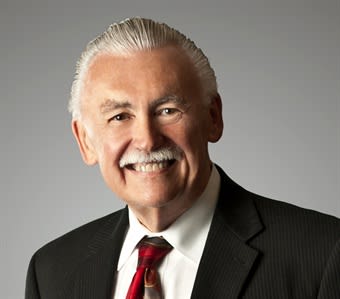
Bill Burke, the chief of police for the San Diego Metropolitan Transit System (MTS), passed away Monday of unknown causes. He was 68 years old. Burke started with MTS in 2001, was promoted to director of security in 2004 and became its first chief of police in 2011. Prior to working with MTS, Burke was the chief of police for the Cook County Sheriff’s Department in Chicago.
“Bill will be missed greatly at MTS,” said Paul Jablonski, CEO of MTS. “He brought many innovations to MTS and helped our system become one of the safest in the nation. More than that, Bill was a gentleman who earned respect from every one of his colleagues. Our thoughts and prayers go out to his friends and family.”
Burke was responsible for several significant improvements to the MTS system, including:
• Closed-circuit TV at Trolley stations.
• On-board cameras on Trolleys and buses.
• Body cameras on code compliance inspectors.
• Initiation of TSA-trained canine teams for MTS.
• Close working relationships with all local law enforcement agencies, TSA and Homeland Security.
• Development of the local "See Something, Say Something" campaign.
Burke is survived by his wife Janice, three children and five grandchildren. Effective immediately, Deputy Director of Transit Security Manuel Guaderrama was named the acting director of security for MTS.
More Security and Safety

LADOT to Launch Bus-Mounted Camera Enforcement on DASH Buses
The program will begin with a 60-day warning period before citations are issued in January 2027, joining similar efforts across Southern California to improve bus reliability, safety, and accessibility.
Read More →
New York MTA Launches Historic $1.9B Signal, Track Modernization Project
Funded in part by congestion pricing revenue, the project will replace nearly century-old signals along the A and C lines in Brooklyn and Queens.
Read More →
CSA Group Releases Climate Resilience Standard for Transit, Passenger Rail
Developed with support from the Standards Council of Canada, CSA D700 guides assessing climate-related risks and planning adaptation measures for transit and passenger rail systems.
Read More →
San Diego MTS Approves New Fare Evasion Penalty Program
The new administrative process will move eligible violations out of the criminal court system, cap penalties at $125, and provide flexible payment options for riders.
Read More →
RTC of Southern Nevada Reports 29% Drop in Transit Operator Assaults
The agency credits expanded security measures, employee training, and technology investments for improvements in transit safety, while security officers have responded to 19 suspected overdoses since July.
Read More →
Public Transit Conference Returning to GFX in 2027, Call for Papers Now Open
The Call for Papers is now open, allowing transit agency professionals and industry experts to help shape the PTC educational program by submitting session ideas for consideration.
Read More →
Safe Transit Act Proposes New Security Requirements for Federal Transit Funding
Proposed legislation would link federal transit dollars to safety measures while requiring security investments, onboard cameras, and new fare collection standards.
Read More →
FTA Ends Direct Oversight of MBTA Safety Actions
The federal agency closed its remaining special directive to the Massachusetts Department of Public Utilities following a safety review that began in 2022.
Read More →
Transit Agencies Highlight Safety Gains at National Summit
Leaders from 15 major transit systems shared crime-reduction results and safety initiatives while discussing the role of continued federal support.
Read More →
DART Launches Major Security, Fare Enforcement Initiative
The 90-day demonstration will deploy coordinated security teams at five light rail stations while testing controlled access and gathering data to guide future investments.
Read More →