
Metro Magazine

 MENU
 SEARCHMENUSEARCH
Loading data...

Transit agencies should strive to grow all-purpose riders, who take transit regularly for multiple purposes, as they are the most reliable and financially efficient customers to serve.
Read More →


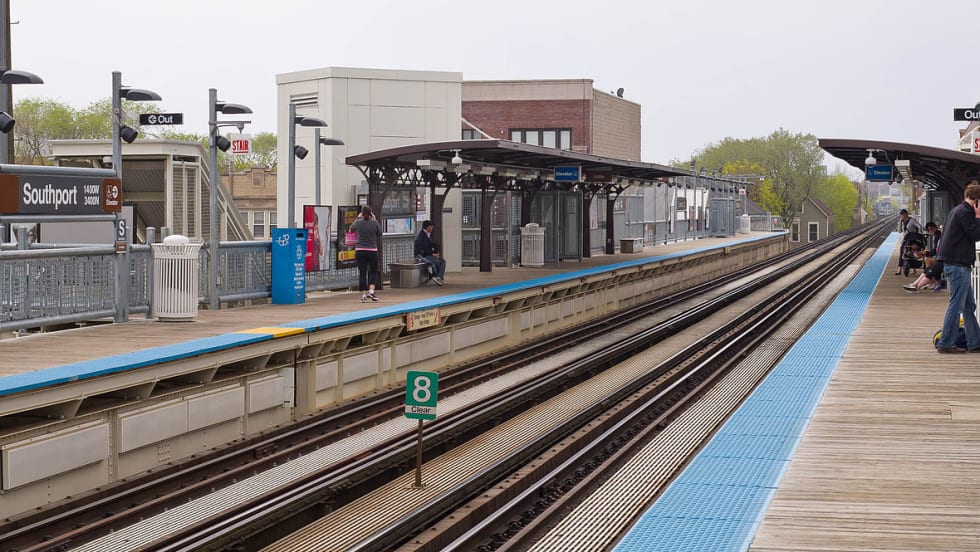

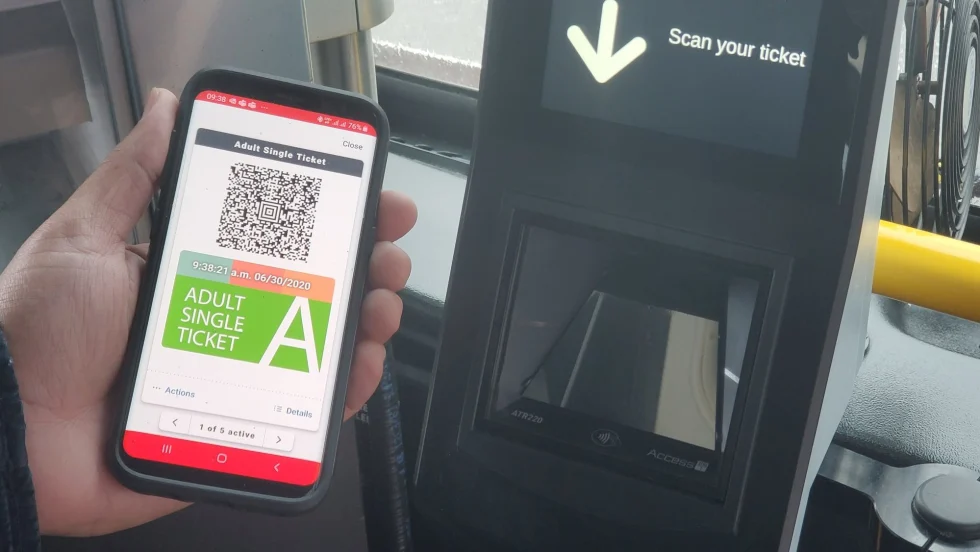
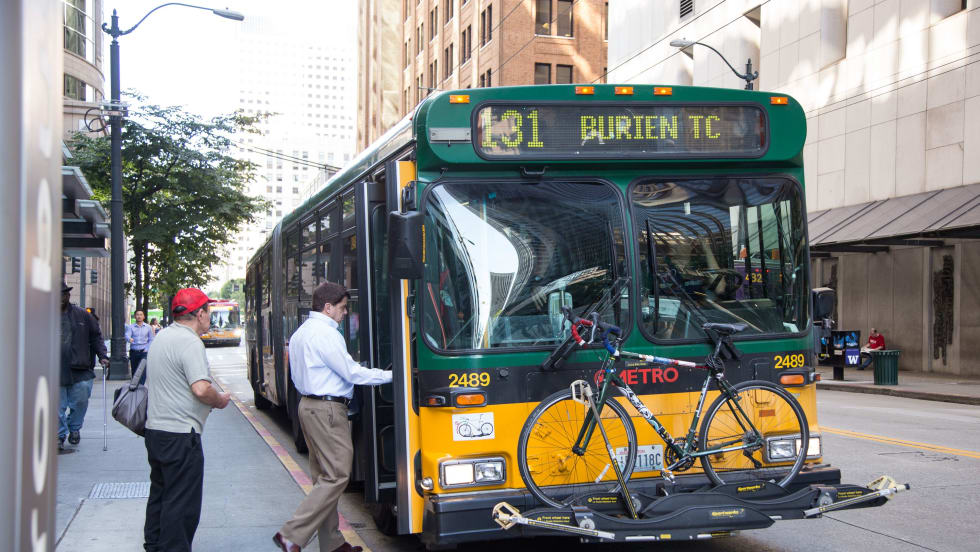
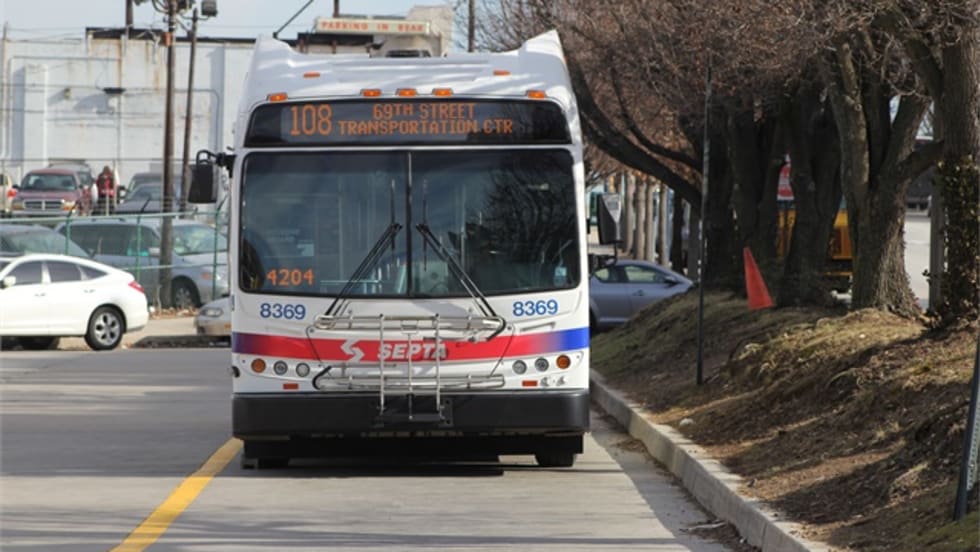
ABRT offers a solution that is ideal for today and into the future since it takes advantage of existing streets and infrastructure while increasing efficiency and safety at a minimal cost.
Read More →The multi-year project will design better bus service and integrate with Honolulu’s Rail Transit.
Read More →The free ride program, which will cost the city some $16 million annually in lost ticket sales, has surpassed expectations, with ridership up 10%.
Read More →Long-term deals on fuel and increased non-fare revenue have helped CTA cope with reduced funding from the state and a decline in ridership, which fell to just under 500 million in 2016.
Read More →Expecting 13 percent more commuters to use public transportation next year. Projected revenue increases are based on an expected rise in TRAX ridership — and higher fares — after the completion this summer of two highly anticipated light rail projects.
Read More →The agency has experienced greater cost savings, increased ridership and passengers per revenue mile, as well as a reduction in no-shows.
Read More →Alongside discussions around safety measures, such as limiting or staggering ridership to better enable physical distancing, mandatory mask wearing, and the introduction of rules and changes enabling safe increases in system capacity, agencies have been accelerating operational changes that were already being examined pre-pandemic.
Read More →The platform encourages rider behaviors that help manage periods of peak demand and incentivizes additional ridership.
Read More →Seating estimates featured on the new online tool are based on ridership data that the agency collects from a mix of sources, including Automatic Passenger Counting systems and assessments by SEPTA personnel and traffic checkers.
Read More →