
Metro Magazine

 MENU
MENU SEARCHMENUSEARCH
Loading data...
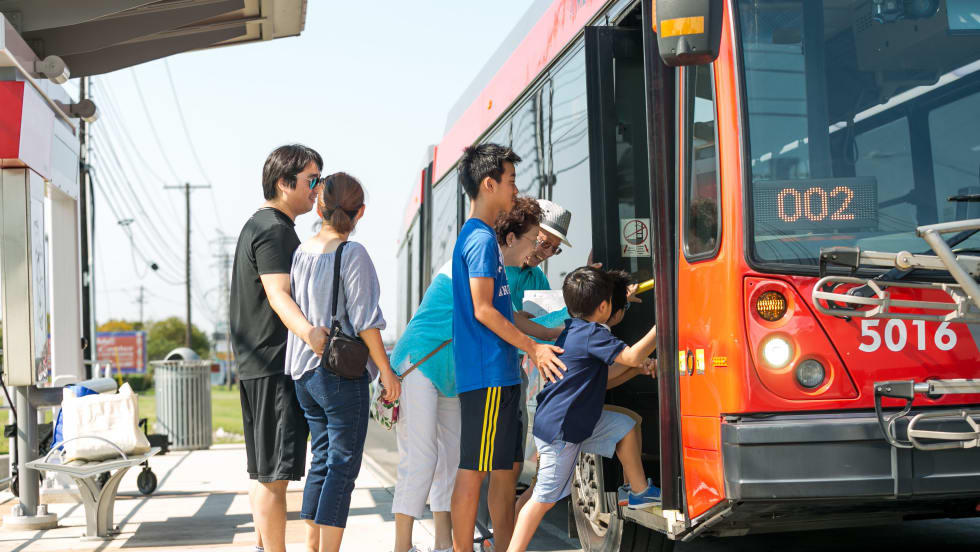
In a blog, U.S. Secretary of Transportation Elaine L. Chao discusses resources available to public transit during COVID-19 pandemic.
Read More →
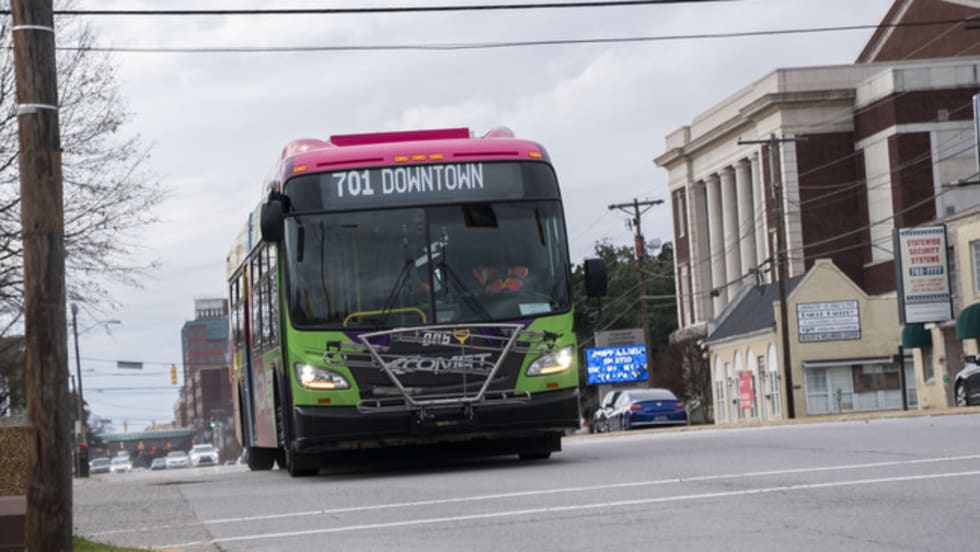


An immediate return to previous levels of service will not be feasible in many cases, given the changes wrought by the pandemic that need to be addressed in transportation exit plans.
Read More →The rides are part of the agency’s “Don’t Miss Your Shot” campaign seeking to inform and transport residents to major vaccination sites in Richland and Lexington Counties.
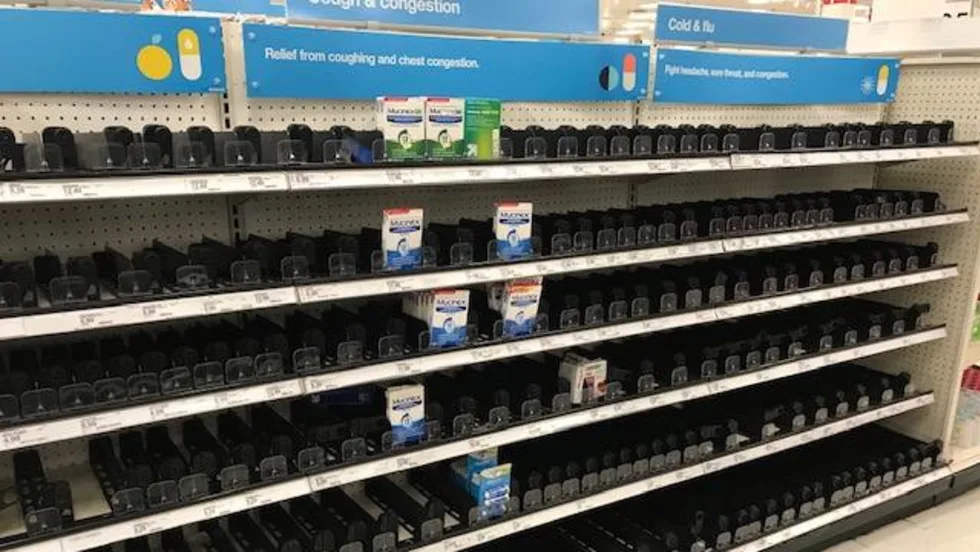
Read More →When panic surrounding the coronavirus began to ramp up in my area, I’ll admit, I was right there with everyone else stockpiling up...
Read More →President/CEO Joseph Mirabile talks about the decision to begin manufacturing the critically needed gear and how the community was coming together pack and distribute it to frontline workers.
Read More →METROspectives speaks with Paul Comfort, VP, business development at Trapeze, and host of the Transit Unplugged podcast. Comfort discusses the present and future of public transportation amidst the COVID-19 pandemic, his perspectives on what it's like to unpack an action plan, and his new book "The Future of Public Transportation."
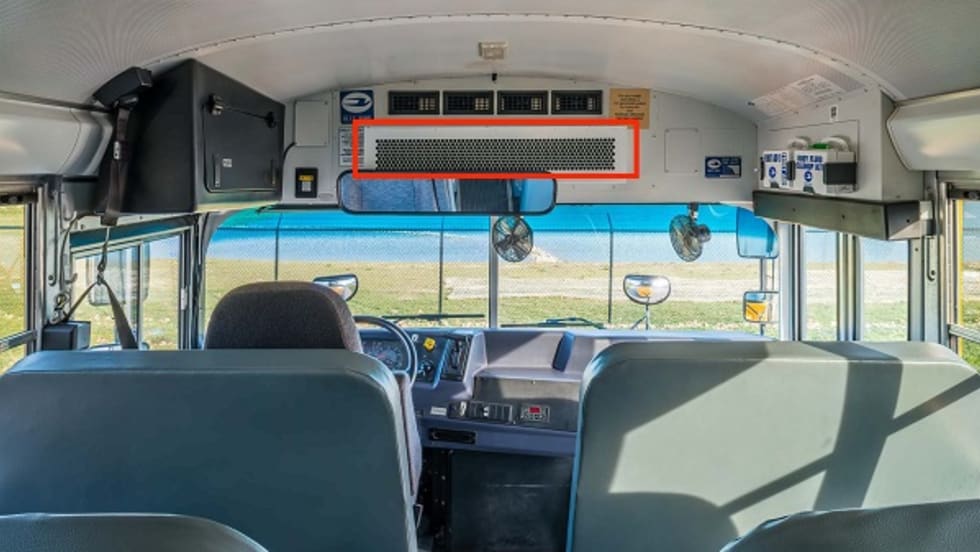
Read More →The Lumin-19 is an airstream disinfection solution designed to retrofit school buses and some transit buses.
Read More →The response to the ongoing coronavirus outbreak seems a bit whack-a-mole. It's hard to see the strategy through the chaos because all you're doing is reacting.
Read More →The public transportation industry has significantly increased costs and experienced dramatic revenue losses because of COVID-19.
Read More →The three-month pilot will provide transit access for customers who are experiencing lost fixed-route service in parts of Northeast Columbus, Westerville, Gahanna, and New Albany.
Read More →