
Metro Magazine

 MENU
MENU SEARCHMENUSEARCH
Loading data...
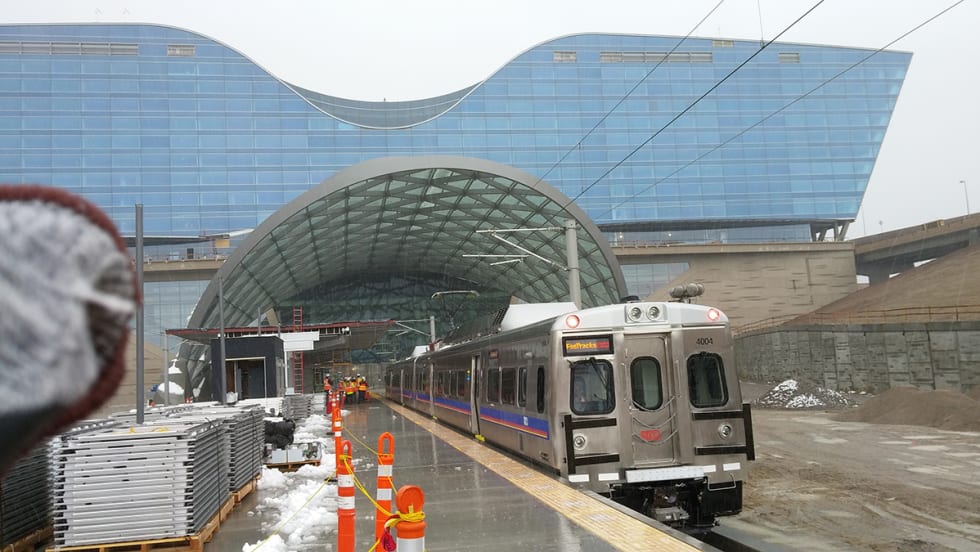
The Peña Boulevard Station will be the sixth eastbound stop on the trip from Denver Union Station to the airport. The travel time from downtown to DIA will be 37 minutes with trains running every 15 minutes during peak times.
Read More →
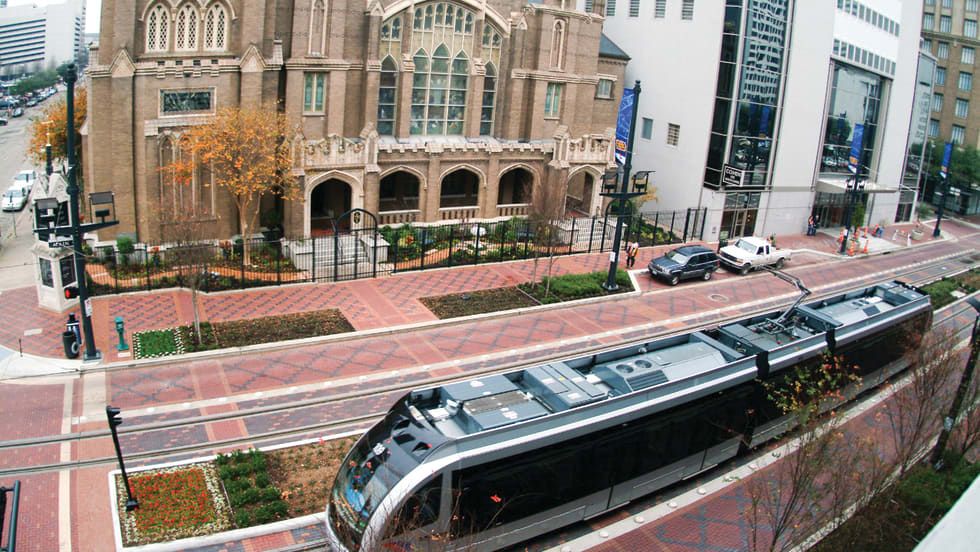
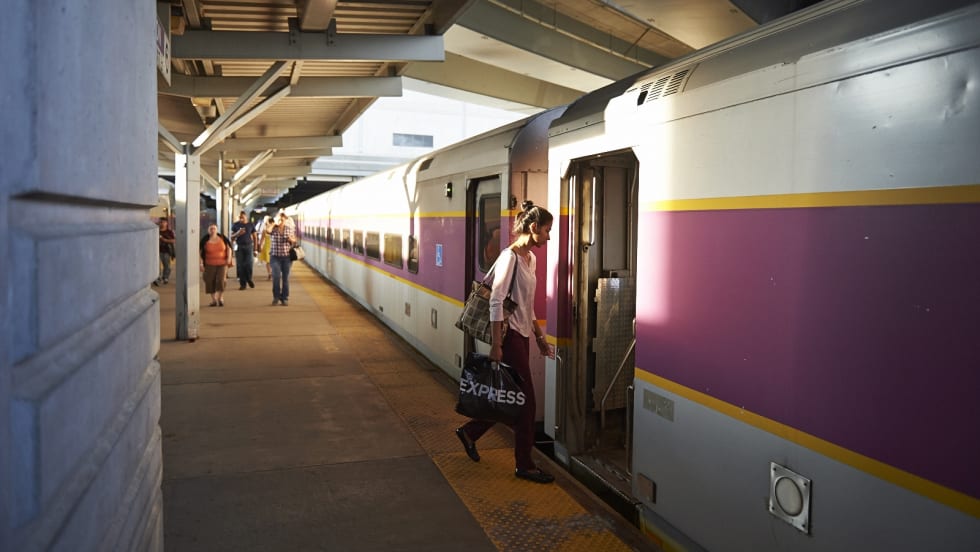
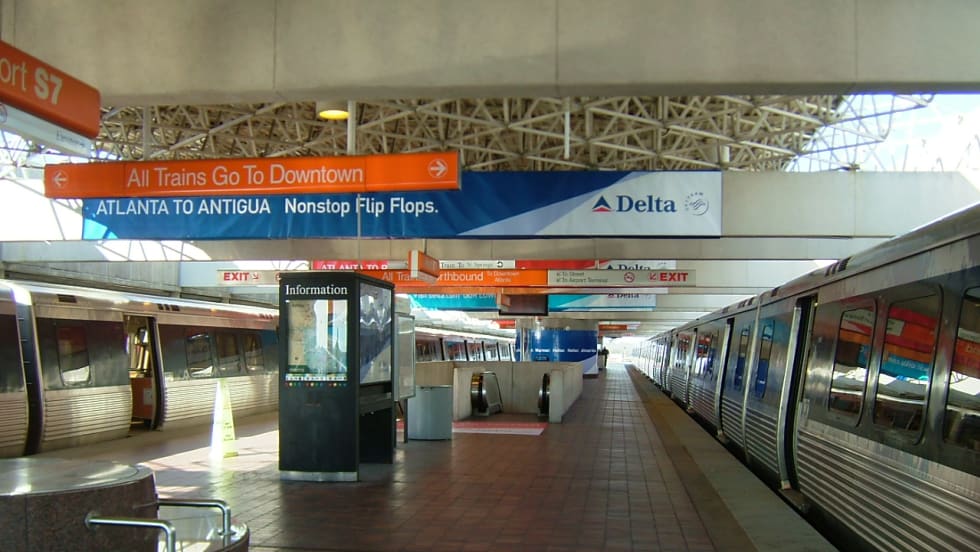

The projects are among 16 that were awarded in 2015 with funding totaling $810,000. The RTA is providing approximately $85,000 in federal grant and local match funds to support these zoning updates that will encourage transit-friendly development.
Read More →METRO spoke with Metro’s President/CEO Thomas C. Lambert about his journey from police officer to head of a public transportation system as well as the success the agency has experienced over the last several years and EXPO.
Read More →Assembly is the first new MBTA subway station to be opened since the southern portion of the Orange Line was moved from the Washington Street Elevated Line to the Southwest Corridor in 1987.
Read More →The new initiative will include food, beverage and specialty retail offerings at select rail stations that will expand and enhance MARTA’s existing beverage and snack vending program that was launched in 2010.
Read More →The agency has pushed forward with plans to develop under-used parking lots at three stations into mixed-use commercial and residential buildings.
Read More →One study found that DART’s capital spending on light rail was almost $5.63 billion, or $4.7 billion in inflation-adjusted 2013 dollars. During that time, the expansion generated $7.4 billion in regional economic activity. Meanwhile, TOD investment has totaled $5.3 billion since the system's 1996 debut.
Read More →Across the country, transit is experiencing record ridership growth. The increase in commuters is not only good for transit organizations’ revenue; proximity to train stations and transportation centers can boost property values for surrounding communities and spur new construction of transit-oriented developments, shopping centers and other businesses. But what happens to communities when the “T” in the TODs is no longer there?
Read More →A key finding revealed a pent-up demand for transit access in the Twin Cities metropolitan region. Suggestions for encouraging TOD included fostering collaboration between groups that already have shown an interest in transit-accessible locations.
Read More →SEPTA’s service planners collaborated with developers of a new retail center to ensure that public transportation was incorporated into the site’s plans. Additionally, the agency’s planners worked with the public to add a bus route that provides safer access to a playground.
Read More →