
Metro Magazine

 MENU
MENU SEARCHMENUSEARCH
Loading data...

Paul McIlree, P.E., will oversee the firm’s business plan for design-build and public-private partnership initiatives.
Read More →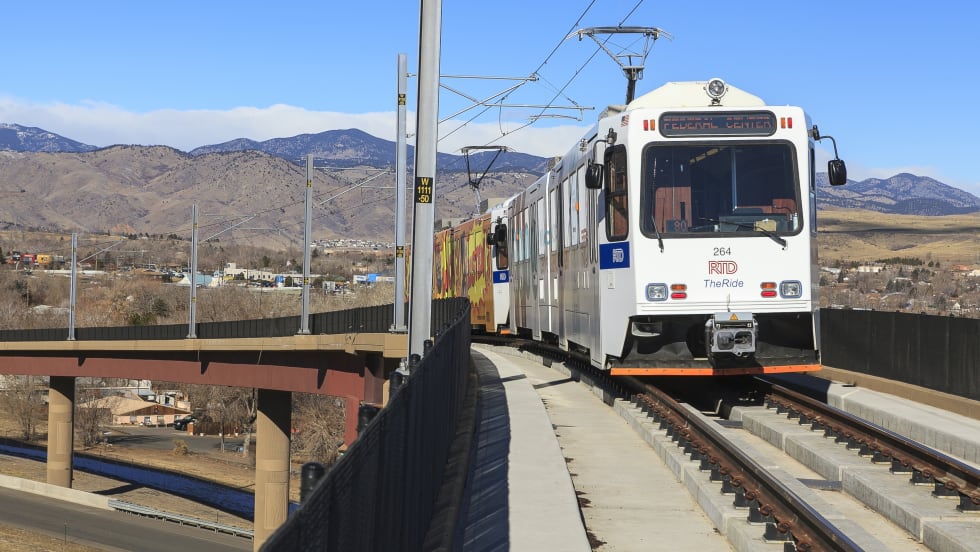

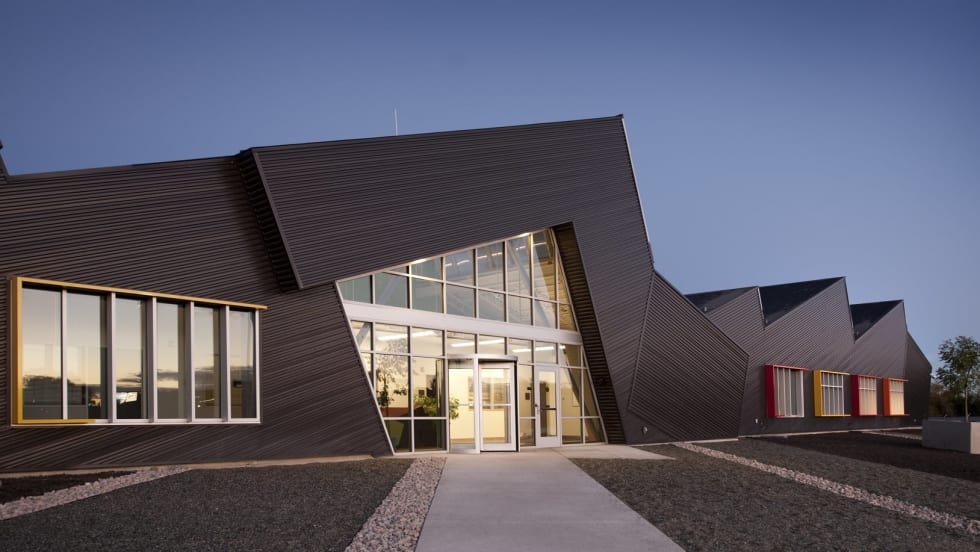
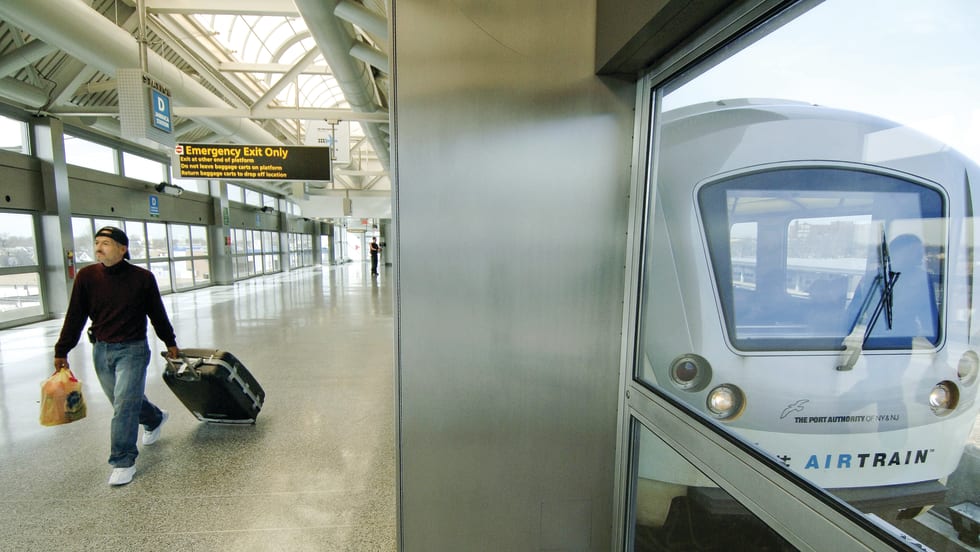
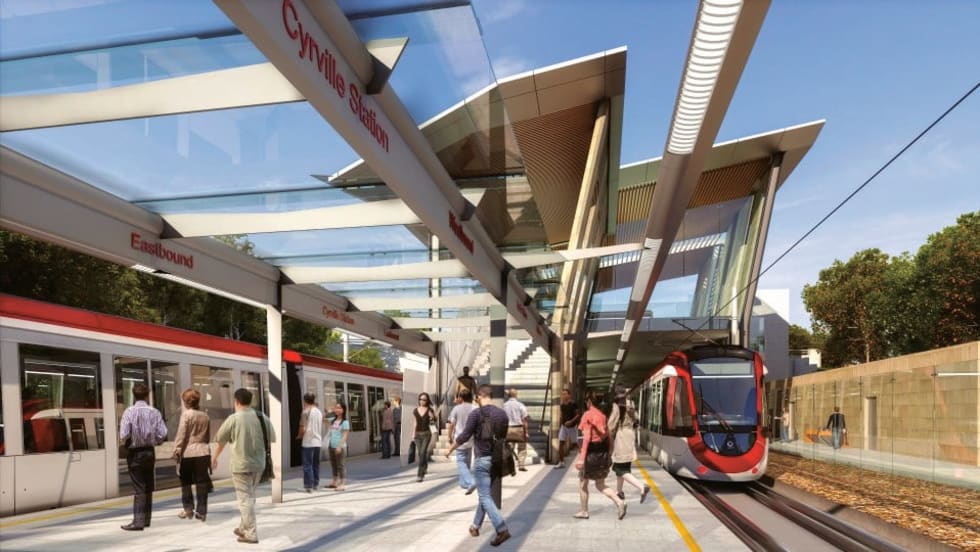
As Toronto looks to expand its public transportation system, the city could take a look at the success Denver has had building out its FasTracks program through a mix of sales tax revenues, federal funds and public-private partnerships, according to the Toronto Star.
Read More →The first thing to understand about P3s is that they are primarily a money-saving strategy and are still expected to earn a return on investment.
Read More →Will examine the current state of P3s in the U.S. to identify the role they play in development and delivery of transportation and infrastructure projects in the U.S. and on the U.S. economy, how P3s enhance delivery and management of transportation and infrastructure projects and more.
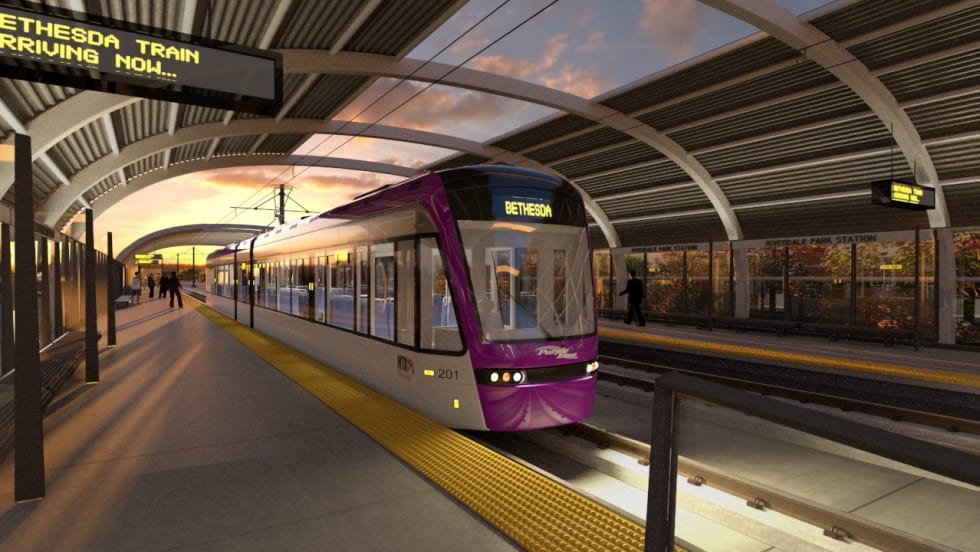
Read More →In late 2014 or early 2015, MDOT / MTA will select a preferred partner and recommend the final agreement to the Board of Public Works for their review and approval. Construction could begin in spring 2015.
Read More →From the Crenshaw/LAX Transit Corridor project to the Regional Connector Transit Corridor to a 10-mile P3 tunnel through the Sepulveda Pass, the force behind these projects is local.
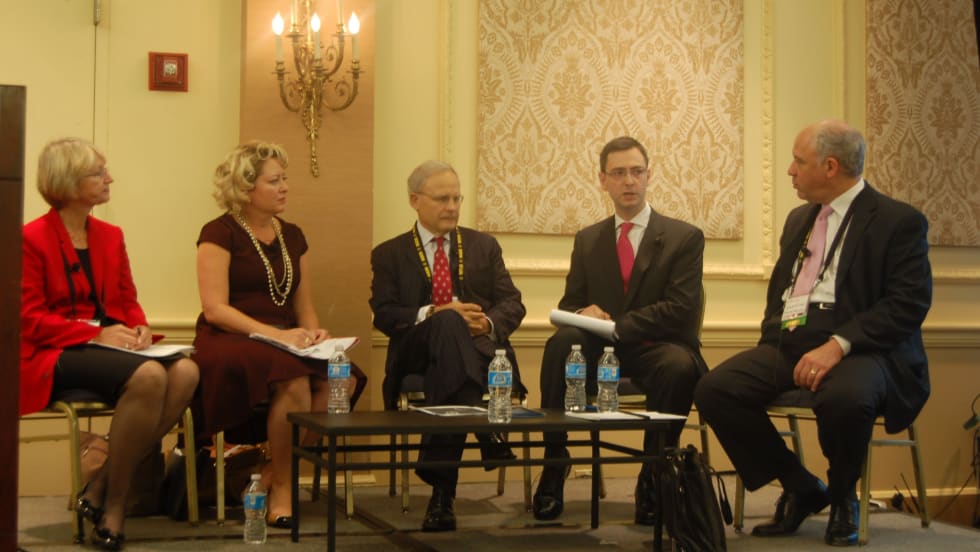
Read More →“If you’ve seen one public-private partnership (P3), you’ve seen one public-private partnership,” was a recurring theme in the “Financing New Projects in the U.S.” session.
Read More →The final installment of the two-part series will focus on two significant decisions: selecting a contracting method and choosing an ideal design team.
Read More →Although it is slow to take off in the U.S., there are plenty of possible benefits that could be derived through public-private partnerships, design-build and more. Experts are quick to point out, however, that it is not a magic bullet for completing construction projects.
Read More →In late February, Alstom finalized a contract to provide 34 light rail vehicles and 30 years of maintenance services to the Rideau Transit Group consortium that was selected to design, build, finance and maintain the first line of the Ottawa Light Rapid Transit system.
Read More →