
Metro Magazine

 MENU
MENU SEARCHMENUSEARCH
Loading data...
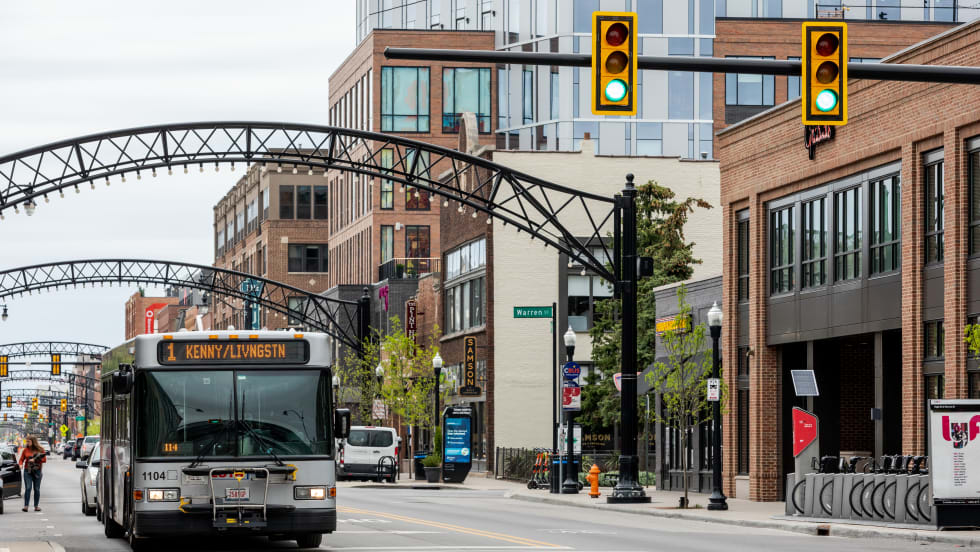
One of the most significant monthly increases occurred in May 2025, when ridership jumped 17%, resulting in 1,059,356 rides compared to 908,008 in May 2024.
Read More →
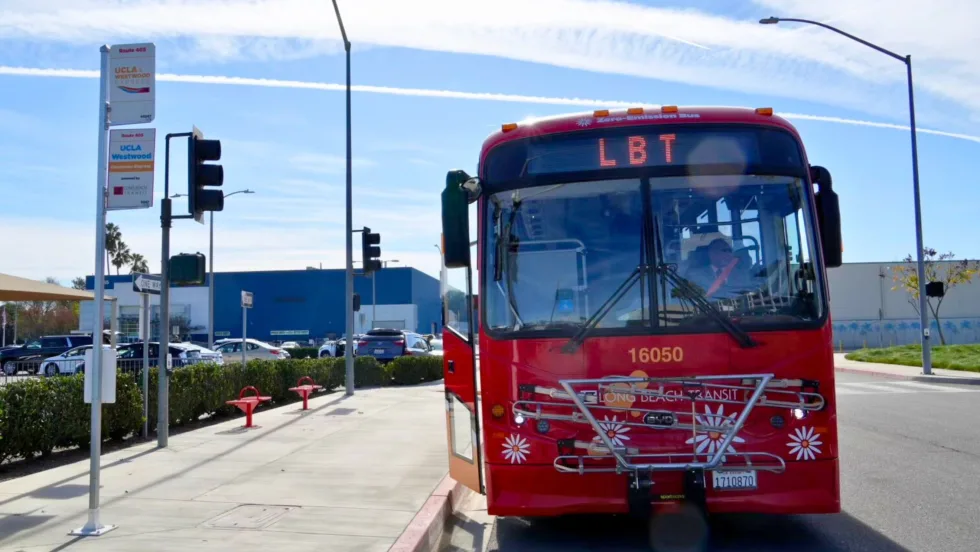


Overall, system ridership experienced a slight decline of 6% compared to 2024 June ridership, better than initially anticipated at the start of the month, due to the increase in federal law enforcement activity across Los Angeles County.
Read More →Some agencies might suggest they are funded in the public transportation space. Some complain that they are funded too little. I have never heard a public transportation executive proclaim that they are funded too much. And if no public agencies are funded too much, then, by definition, none are funded too little. To steal from Goldilocks’ thinking, they are all funded just right.
Read More →Amid a historic capital program focused on state-of-good-repair investments, subway safety also improved, with major crimes down 3.2% year-over-year and nearly 10% below 2019 levels.
Read More →Crime drops, rider satisfaction rises, and new projects take shape as LA Metro charts future transit goals during a recent State of the Agency event.
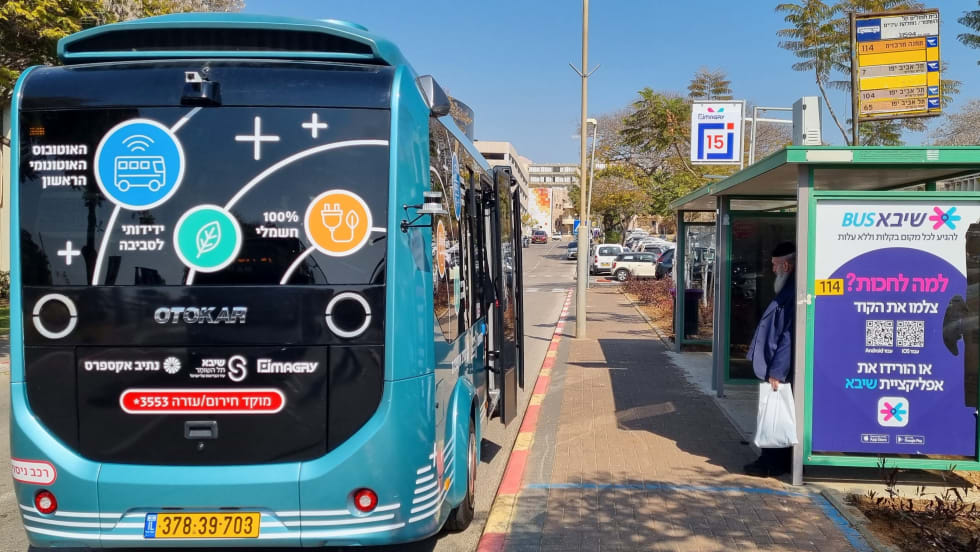
Read More →Autonomous vehicle technology has advanced dramatically and will likely reach mass markets in 2027. We examine how the technology is developed and what it means for public transportation systems and driverless buses.
Read More →Activated Jan. 5, the nation’s first urban congestion pricing program reduces gridlock in Manhattan’s Congestion Relief Zone below 60th Street by charging motorists to enter the zone.
Read More →Agency projects add homes, offices, and millions in tax revenue as WMATA fast-tracks more joint development deals.
Read More →Older adults across the Bay Area are gaining greater independence through nearly 14,000 subsidized rides provided by GoGoGrandparent, a service helping seniors access transportation without apps while supporting community connections.
Read More →Branded as part of the “Better Bus” initiative, the overhaul is designed to deliver more frequent, reliable, and user-friendly service across Washington, D.C., Maryland, and Virginia, aligning transit with the region’s evolving mobility patterns and community needs.
Read More →