
Metro Magazine

 MENU
MENU SEARCHMENUSEARCH
APTA calculates the average cost of taking public transit by determining the average monthly transit pass of local public transit agencies across the country. This information is based on the annual APTA fare collection survey and is weighted based on ridership (unlinked passenger trips).
Read More →A year-over-year comparison of FY 2010 to FY 2009 shows total Amtrak ridership grew 5.7 percent, or about 1.55 million passengers, and all Amtrak business lines experienced growth including the Northeast Corridor (up 4.3 percent), long-distance trains (up 6.6 percent), and state-supported and other short-distance routes (up 6.5 percent).
Read More →Agency hopes to gain new riders by helping people get connected to Cleveland with a new Facebook page and contests every week. Currently, riders can visit the page and enter a sweepstakes to win an iPad.
Read More →Previous to this quarter's ridership increase, public transit use had declined in the past five quarters due to high unemployment, the economic recession, and lower state and local revenue. Demand response (paratransit) increased in the second quarter of 2010 by 1.6 percent.
Read More →Bloomington (Ind.) Transit has received APTA's 2010 Outstanding Public Transportation System Award for systems in the category of less than 4 million annual ridership. The system set an all-time ridership record in 2009 carrying 3.06 million passenger trips.
Read More →Smart card system would help Metro save money, catch fare evaders and do a better job tracking ridership.
Read More →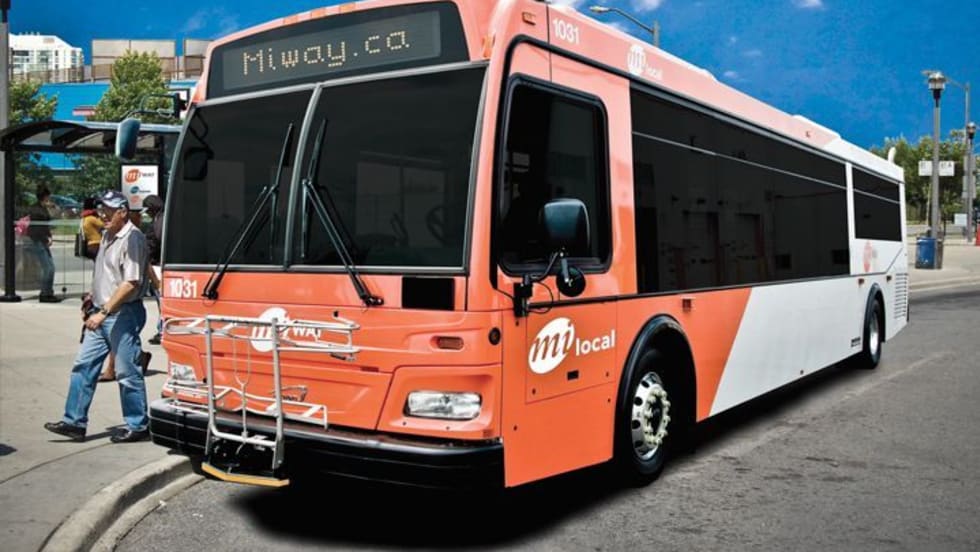
A new citywide strategic plan is playing a major role in changes being made at the Ontario-based Mississauga Transit. The transit system is rebranding its services, and adding a BRT line and 15 new hybrid vehicles to its fleet.
Read More →Three out of four agencies responding to the annual survey reported that their ridership numbers were down due to the economy and some were additionally impacted by raising their fares. The average transit executive salary totals $157,000, while the average time spent in the industry tops 25 years.
Read More →The KU on Wheels bus system is fare-free for students and faculty as well as residents of the city who have a valid city transit pass. Ridership doubled in the first fare-free year, with an additional 20-percent increase last year.
Read More →The growing ridership trend continued into fiscal 2011, with July being the second highest ridership month on record with 71,825 riders, according to the agency.
Read More →