



APTA: PT saves $9,499 annually
APTA calculates the average cost of taking public transit by determining the average monthly transit pass of local public transit agencies across the country. This information is based on the annual APTA fare collection survey and is weighted based on ridership (unlinked passenger trips).

Riding public transportation saves individuals, on average, $9,499 annually and $792 per month based on the Oct. 14, 2010 average national gas price ($2.83 per gallon-reported by AAA) and the national unreserved monthly parking rate, according to the American Public Transportation Association's (APTA) monthly "Transit Savings Report."
The national average for a monthly unreserved parking space in a downtown business district is $161.56, according to the 2010 Colliers International Parking Rate Study. Over the course of a year, parking costs for a vehicle can amount to an average of $1,939.
APTA calculates the average cost of taking public transit by determining the average monthly transit pass of local public transit agencies across the country. This information is based on the annual APTA fare collection survey and is weighted based on ridership (unlinked passenger trips).
The assumption is that a person making a switch to public transportation would likely purchase an unlimited pass on the local transit agency, typically available on a monthly basis.
APTA then compares the average monthly transit fare to the average cost of driving. The cost of driving is calculated using the 2010 AAA average cost of driving formula. AAA cost of driving formula is based on variable costs and fixed costs. The variable costs include the cost of gas, maintenance and tires. The fixed costs include insurance, license registration, depreciation and finance charges. The comparison also uses the average mileage of a mid-size auto at 23.4 miles per gallon and the price for self-serve regular unleaded gasoline.
The analysis also assumes that a person will drive an average of 15,000 miles per year. The savings assume a person in two-person household lives with one less car.
More Paratransit
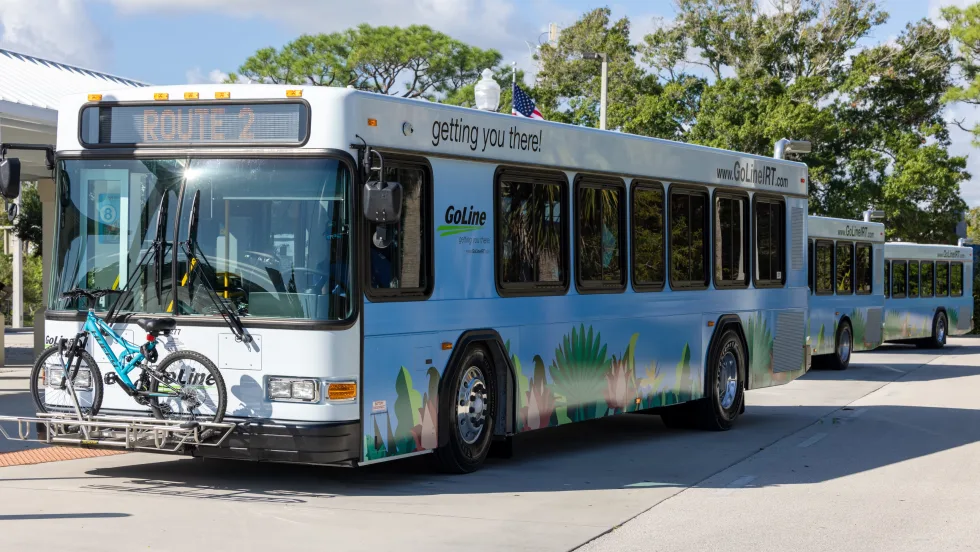
Indian River Transit’s Community-Focused Approach Earns National Recognition
Named APTA’s 2026 Outstanding Public Transportation System in its size category, Florida’s Indian River County transit system continues to grow ridership through fare-free service and a focus on evolving community needs.
Read More →
Everett Transit, Community Transit Outline Consolidation Agreement
The proposed agreement calls for a 50% increase in bus service in Everett, a new microtransit zone, continued paratransit service, and the transfer of Everett Transit operations to Community Transit.
Read More →
Driving Smarter Paratransit
John Hanlon shares how AlphaRoute is leveraging AI-powered technology to help paratransit providers optimize operations, support frontline staff, and enhance the rider experience.
Read More →
People Movement: Dan Dipert Coaches Adds Third-Generation Leader, Keolis Names New Valley Metro VP/GM, and More
In this edition, we also cover recent appointments and announcements at the Wabtec, SilverRide, HNTB, and more, showcasing the individuals helping to shape the future of transportation.
Read More →
Biz Briefs: RIPTA Unveils New Frontrunners, Clevland RTA Adds New Siemens, and More
In METRO's latest installment, we take a look at recent news from Siemens, Prevost, Dodge, and more partnerships making headlines across the transportation sector.
Read More →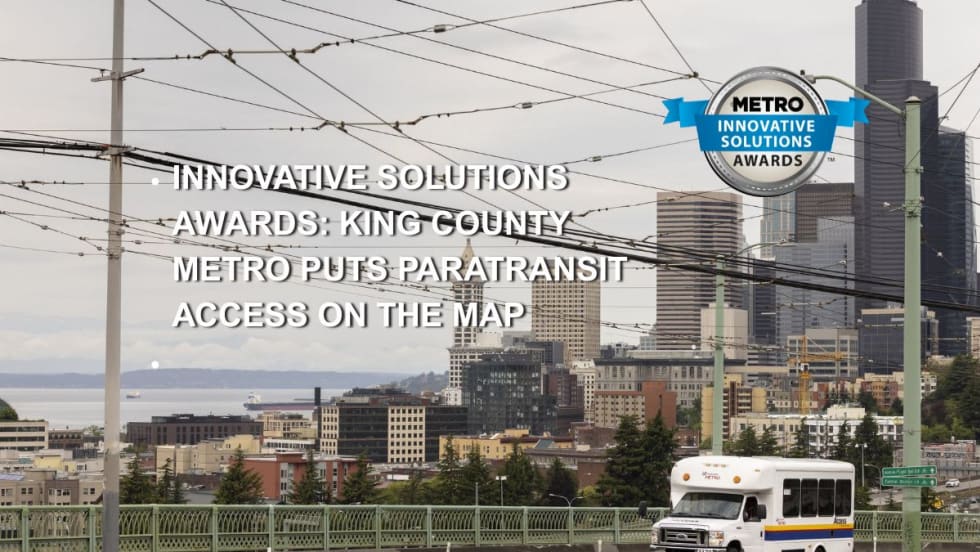
King County Metro Makes ADA Paratransit Easier to Navigate
METRO's Innovative Solutions Award winner replaces complex service-area descriptions with an accessible, interactive map that puts paratransit information directly in customers’ hands.
Read More →
Jacksonville’s NAVI Project Charts a New Course for Autonomous Public Transportation
Through its NAVI program, JTA is showing how autonomous vehicles, intelligent infrastructure, and coordinated operations can work together to deliver everyday public transportation.
Read More →
Driving Smarter Paratransit
John Hanlon shares how AlphaRoute is leveraging AI-powered technology to help paratransit providers optimize operations, support frontline staff, and enhance the rider experience.
Read More →
METRO Magazine Announces 2026 Innovative Solutions Awards Winners
Projects Recognized for Advancing Mobility Through Technology, Accessibility, Workforce Innovation, and Operational Excellence
Read More →
Biz Briefs: STV teams with Amtrak, Motorcoach Operators Boost Fleet and Land Contracts, and More
From manufacturers and suppliers to transit agencies and motorcoach operators, these updates offer a snapshot of the projects, partnerships and business moves driving the industry forward.
Read More →