



Amtrak sets ridership mark in FY2010
A year-over-year comparison of FY 2010 to FY 2009 shows total Amtrak ridership grew 5.7 percent, or about 1.55 million passengers, and all Amtrak business lines experienced growth including the Northeast Corridor (up 4.3 percent), long-distance trains (up 6.6 percent), and state-supported and other short-distance routes (up 6.5 percent).

Amtrak set a new annual ridership record of 28,716,857 passengers for the fiscal year ending September 30 and collected a record $1.74 billion in ticket revenue, the agency announced.
"We thank every passenger for choosing Amtrak to meet their intercity travel needs," said President/CEO Joseph Boardman. "More and more people see passenger rail as a way to get to where they need to go, and when our front line employees put them first, it helps to bring passengers back for another trip."
A year-over-year comparison of FY 2010 to FY 2009 shows total Amtrak ridership grew 5.7 percent, or about 1.55 million passengers, and all Amtrak business lines experienced growth including the Northeast Corridor (up 4.3 percent), long-distance trains (up 6.6 percent), and state-supported and other short-distance routes (up 6.5 percent).
Over the same period, ticket revenue increased 9 percent, or more than $140 million.
Factors that contributed to success in FY 2010 include a moderately improved economic environment allowing some recovery of business travel along the Northeast Corridor, the increased appeal and popularity of rail travel, effective marketing campaigns, the introduction of Wi-Fi on the high-speed Acela Express trains and sustained high gasoline prices, according to Amtrak.
More Rail

California High-Speed Rail Authority Signs MOU to Advance High Desert Corridor
The agreement deepens collaboration between the California High-Speed Rail Authority and the High Desert Corridor Joint Powers Agency, supporting design integration, cost savings, and faster delivery of a key Southern California rail link.
Read More →
Building the Next Generation of Transit Technology
In this edition of METROspectives, Luminator CEO Magnus Friberg discusses the company's transformation, the growing role of AI and software, and what's next for transit technology.
Read More →
How Data, Strategy, and Community Engagement Are Reshaping Transit
In this edition of METROspectives, strada360 CEO Steve Lassey discusses how transit agencies can better align planning with operations, leverage data to improve decision-making, and build public trust as they prepare for the future of mobility.
Read More →
TTC Launches Camera Pilot to Curb Illegal Passing of Streetcars
During the pilot, the cameras will measure how often illegal streetcar passing occurs and test the technology's reliability for future automated enforcement.
Read More →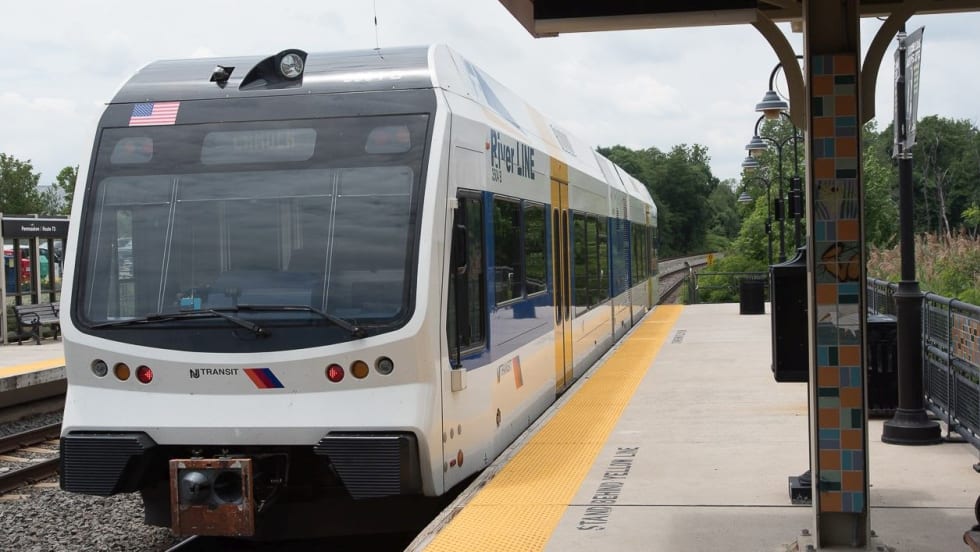
NJ TRANSIT Secures Capital Funding, Adopts FY2027 Budget
The budgets continue investments in infrastructure and equipment to maintain the system in a state of good repair and enhance the overall customer experience.
Read More →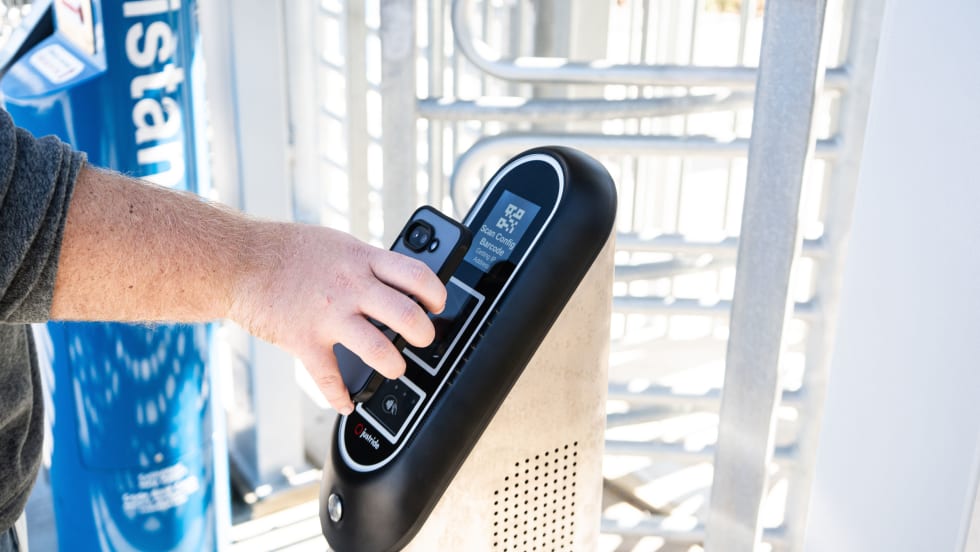
Biz Briefs: Masabi Teams with St. Louis Metro and More
In METRO's latest installment, we take a look at recent news from Transdev, Hitachi, and more partnerships making headlines across the transportation sector.
Read More →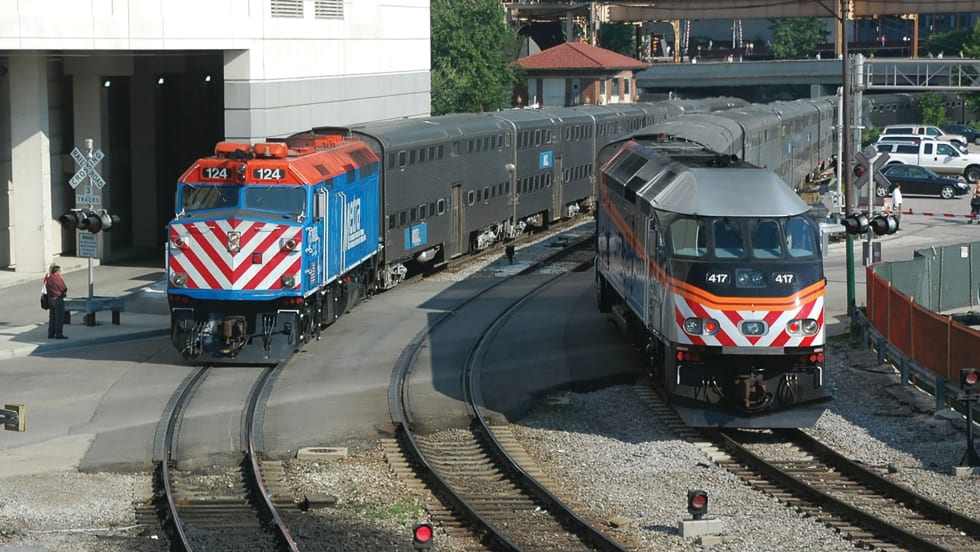
Metra Begins Drone Pilot Project to Boost Safety and Security
The project is funded through a $620,000 grant from FEMA’s Transit Security Grant Program, which provides transit agencies with funding for projects intended to protect critical transportation infrastructure and the traveling public.
Read More →
Austin Transit Partnership Selects Stadler to Manufacture Light Rail Vehicles
The award marks the conclusion of a series of major procurements over 18 months, as outlined in ATP’s delivery plan, and keeps Austin Light Rail on track.
Read More →
The Heart Behind Austin's Light Rail
Why Austin Transit Partnership's Operations and Maintenance Facility could become the most important building in the city's first light rail system.
Read More →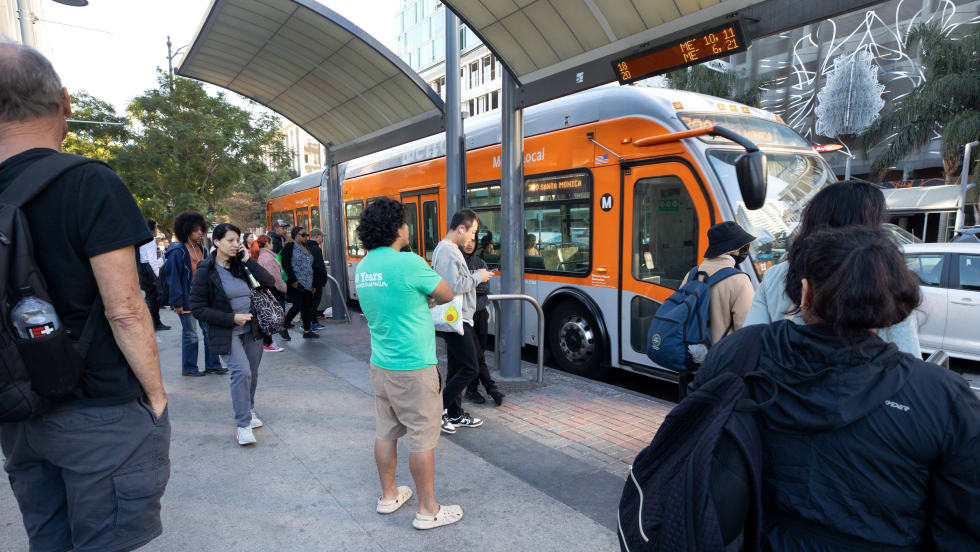
June LA Metro Ridership Surges 2 Million Year Over Year
Total June ridership increased for both weekdays and weekends. Weekday ridership was 953,820, which grew 8.4% from June 2025; Saturdays increased nearly 13% year-over-year to 708,826; and Sundays increased 7.7% to 611,534 from June 2025, according to LA Metro.
Read More →