
Metro Magazine

 MENU
MENU SEARCHMENUSEARCH
Loading data...

Finding new funds for Metro, and insisting that it improve its performance, are both critical to the region’s economic future, according to a report.
Read More →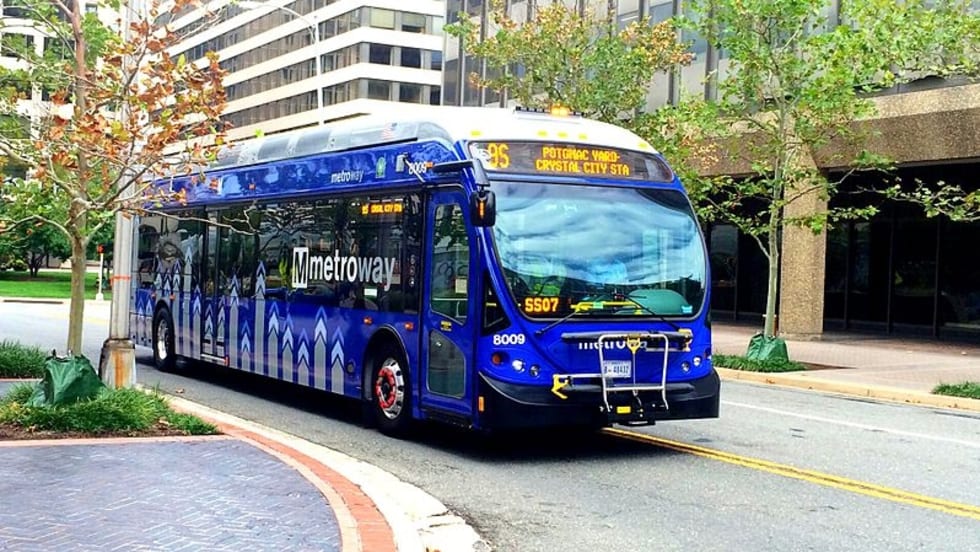



...as a transportation planner who has worked on bus rapid transit-style systems in the greater Washington region, I’ve noticed a disconnect in the public’s expectations versus the reality of the systems they’re getting. It got me wondering: do people have an accurate picture of what BRT means or the benefits the systems provide? During public-planning sessions, I’ve heard a lot of feedback on BRT. The gist is, “That’s really nice that the bus is a different color and the station platform is fancy, but I just want it to be on time.”
Read More →The revised bill increases transparency and provides public access to the commission’s work, including access to meetings and the ability to request documents and records by requiring the commission to adhere to the federal public records law.
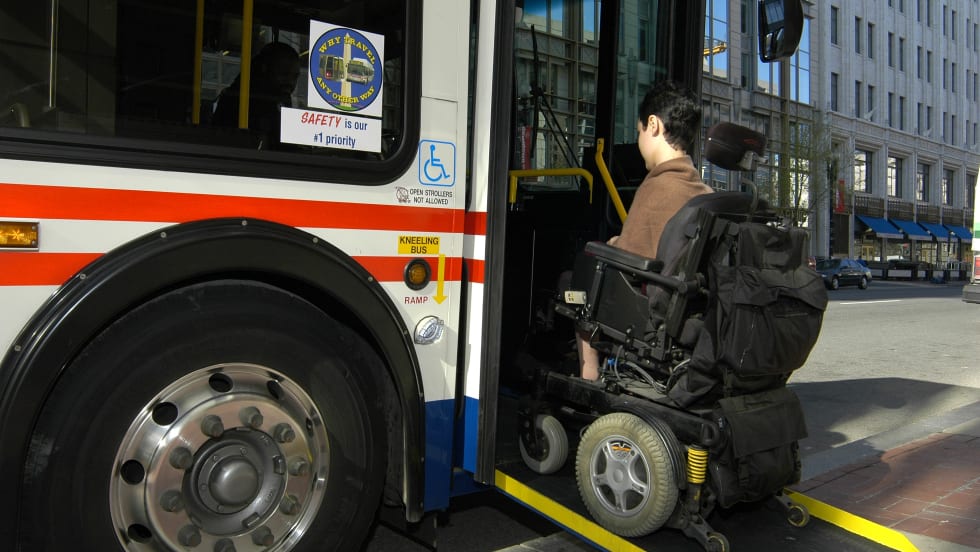
Read More →Specifically, DDOT is calling into question the tech companies’ diver screening processes and disability training, as well as their ability to comply with the same American with Disabilities Act requirements that apply to taxicabs companies, such as accommodating wheelchairs and service animals.
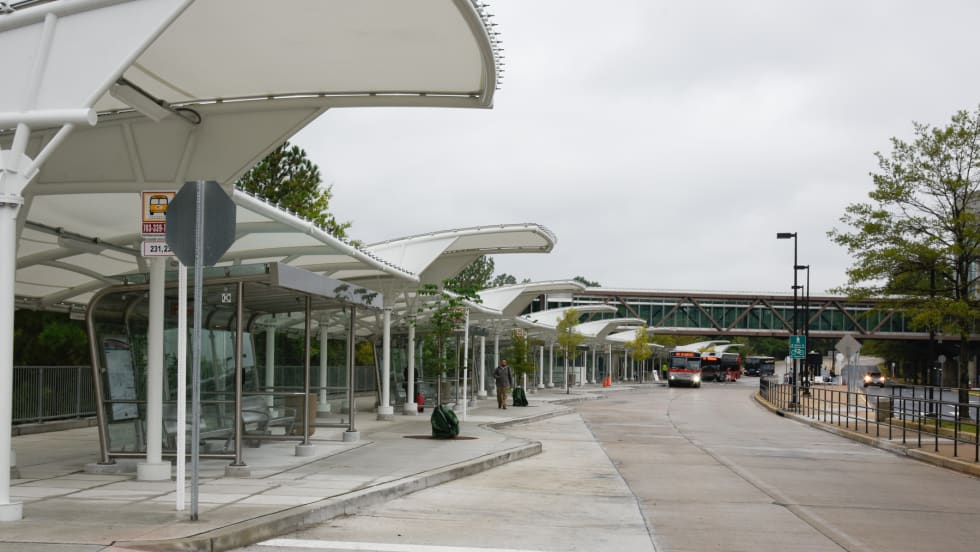
Read More →The improvements expand capacity and provide additional amenities to enhance the customer experience, including three new bus bays and the introduction of real-time bus arrival information.
Read More →Each digital display is expected to generate at least four times more revenue than the static ads they replace and significantly expand Metro’s digital advertising network.
Read More →The service, part of the GM’s Customer Accountability Report initiatives, will be available for 45 days. After that time, the service will be suspended while the pilot program is evaluated.
Read More →Last month, GM Paul Wiedefeld fired 20 managers, including seven senior managers. The process of actually laying off employees will take several months.
Read More →Joseph Leader will be in charge of rail, bus and paratransit services, effective August 1, and will also provide executive management of Metro Transit Police, parking and support services.
Read More →Wiedenfeld announced the hiring of the current associate administrator at the FMCSA and a former Bechtel executive.
Read More →