



WMATA Debuts 'Fares Pay for Service' Awareness Campaign
The campaign was highlighted during a media event at the Paul S. Sarbanes Transit Center in Silver Spring, where WMATA’s GM/CEO Randy Clarke joined Metro Transit Police officers, WMATA management team, board members, and staff to expand fare enforcement and customer education efforts on Metro Bus routes throughout the region.

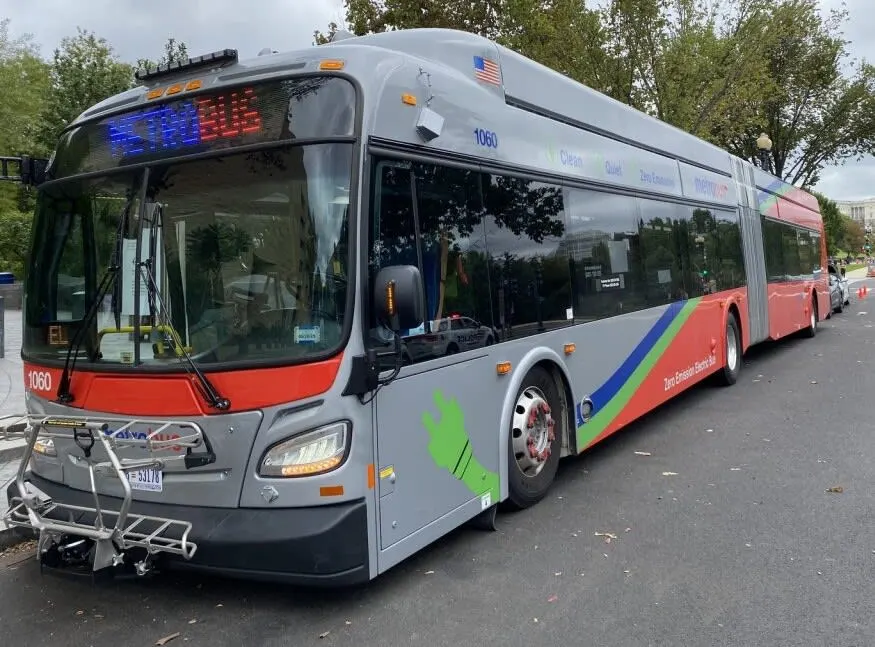
WMATA currently delivers nearly one million customer trips every day, with WMATA officials reporting that investments in technology, reliability, customer experience, and easier fare payment through Tap. Ride. Go has helped grow ridership.
WMATA/New Flyer
- WMATA launched the 'Fares Pay for Service' campaign to improve awareness about fare enforcement and customer education.
- A media event at the Paul S. Sarbanes Transit Center in Silver Spring marked the start of this campaign.
- WMATA’s GM/CEO Randy Clarke, along with Metro Transit Police and other officials, emphasized the initiative's importance on Metro Bus routes in the region.
*Summarized by AI
The Washington Metropolitan Area Transit Authority (WMATA) launched the “Fares Pay for Service” campaign — a systemwide initiative focused on improving fare compliance and protecting funding for the transportation service customers depend on.
The campaign was highlighted during a media event at the Paul S. Sarbanes Transit Center in Silver Spring, where WMATA’s GM/CEO Randy Clarke joined Metro Transit Police officers, WMATA management team, board members, and staff to expand fare enforcement and customer education efforts on Metro Bus routes throughout the region.
“Customer fares pay for bus operators, vehicle maintenance, better service, and long-term investments across the region. Fare compliance matters, fare payment is expected, and our MTPD officers will enforce our policy,” said Clarke. “We must restore respect for the system, support our frontline workers, and fund the services our customers need.”
Fares Pay for Service
WMATA currently delivers nearly one million customer trips every day, with WMATA officials reporting that investments in technology, reliability, customer experience, and easier fare payment through Tap. Ride. Go has helped grow ridership.
However, officials said fare evasion on Metro Bus remains at unacceptable levels. Fare evasion on Metro Bus could result in approximately $50 million in lost revenue this fiscal year.
MTPD officers are responsible for fare enforcement and use on-board real-time video as a force multiplier to address fare evasion and real-time safety issues while helping keep buses moving. These efforts support officers by providing more digital resources that make enforcement more effective and efficient.
The “Fares Pay for Service” campaign combines customer outreach, expanded education, and enforcement efforts on Metro Bus, including bus operators greeting customers and informing everyone that fares are $2.25.
As part of the campaign, WMATA is highlighting payment through Tap. Ride. Go., which allows customers to pay fares more quickly and conveniently with a credit or debit card. Reduced fares also remain available for SNAP-eligible customers, seniors, students, and customers with disabilities.
Building on Previous Fare Enforcement Efforts
WMATA has also enlisted regional leaders to help by joining the campaign on social media, in newsletters, at community meetings, and with constituents to emphasize that the agency is a shared public asset and that it is not free to operate. Those who refuse to pay may be subject to a citation and removal from the bus, WMATA officials said.
The campaign builds on successful fare enforcement efforts on Metro Rail, where stronger fare gates and increased enforcement have reduced rail fare evasion by more than 80%. Those efforts have also supported broader public safety goals, including identifying outstanding warrants and recovering illegal weapons.
Quick Answers
The campaign aims to expand fare enforcement and customer education efforts on Metro Bus routes throughout the region.
*Summarized by AI
More Bus

LA Metro Board Approves 220 Battery-Electric Bus Contract to ENC
The contract, which is the largest base award of battery-electric buses by a U.S. transit agency, will be built in Southern California, sustaining good jobs as LA prepares to welcome the world in 2028
Read More →
Public Transit Conference Returning to GFX in 2027, Call for Papers Now Open
The Call for Papers is now open, allowing transit agency professionals and industry experts to help shape the PTC educational program by submitting session ideas for consideration.
Read More →
Indian River Transit’s Community-Focused Approach Earns National Recognition
Named APTA’s 2026 Outstanding Public Transportation System in its size category, Florida’s Indian River County transit system continues to grow ridership through fare-free service and a focus on evolving community needs.
Read More →
ENC Lands MATA Contract and More in Biz Briefs
In this edition of Biz Briefs, we spotlight the latest developments shaping the future of mobility.
Read More →
From Surviving to Thriving: Building Stronger Transportation Organizations
Bus Business Consultants founder Brian Dickson shares lessons on leadership, organizational health, and creating options for long-term success in a changing transportation industry.
Read More →
Everett Transit, Community Transit Outline Consolidation Agreement
The proposed agreement calls for a 50% increase in bus service in Everett, a new microtransit zone, continued paratransit service, and the transfer of Everett Transit operations to Community Transit.
Read More →
SEPTA Details Accelerate Vision for Transit System
The plan outlines investments in trolley modernization, new Metro and Regional Rail vehicles, accessible stations, and more frequent bus and rail service.
Read More →
Report: Transit Bus Manufacturing Supports 34,100 Jobs, $5.1B in GDP
The “Buses Mean Business” report examines the transit bus manufacturing industry’s economic footprint, supply chain, and rising demand for vehicle replacements.
Read More →
Biz Briefs: New Flyer Delivers in Columbus, Houston, Beep and Freebee Merge, and More
In this edition of Biz Briefs, we spotlight the latest developments shaping the future of mobility.
Read More →
People Movement: Dan Dipert Coaches Adds Third-Generation Leader, Keolis Names New Valley Metro VP/GM, and More
In this edition, we also cover recent appointments and announcements at the Wabtec, SilverRide, HNTB, and more, showcasing the individuals helping to shape the future of transportation.
Read More →