
Metro Magazine

 MENU
MENU SEARCHMENUSEARCH
Loading data...
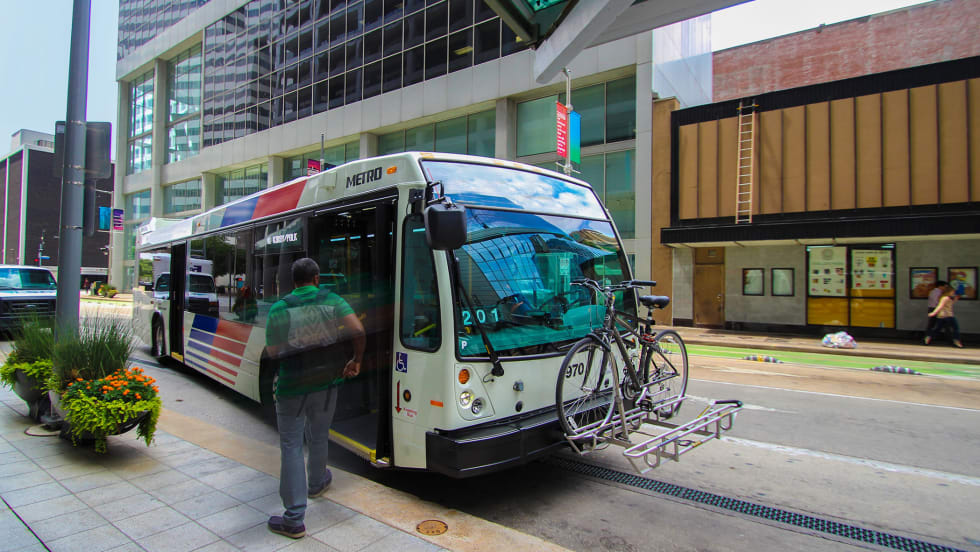
Financial estimates for the project in 2019 were aspirational, but the COVID-19 pandemic significantly reduced ridership and increased costs — variables that were not calculated at the time the project was proposed, according to Houston METRO officials.
Read More →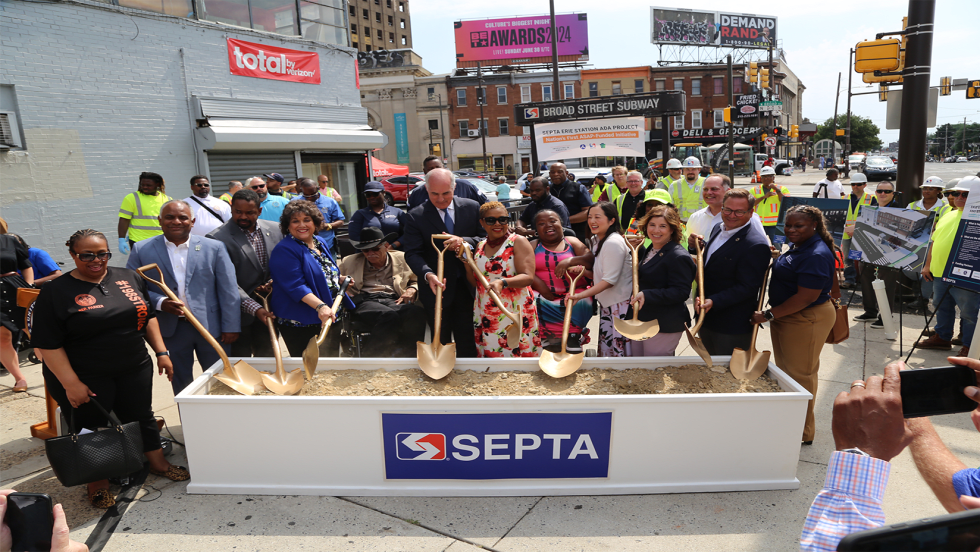
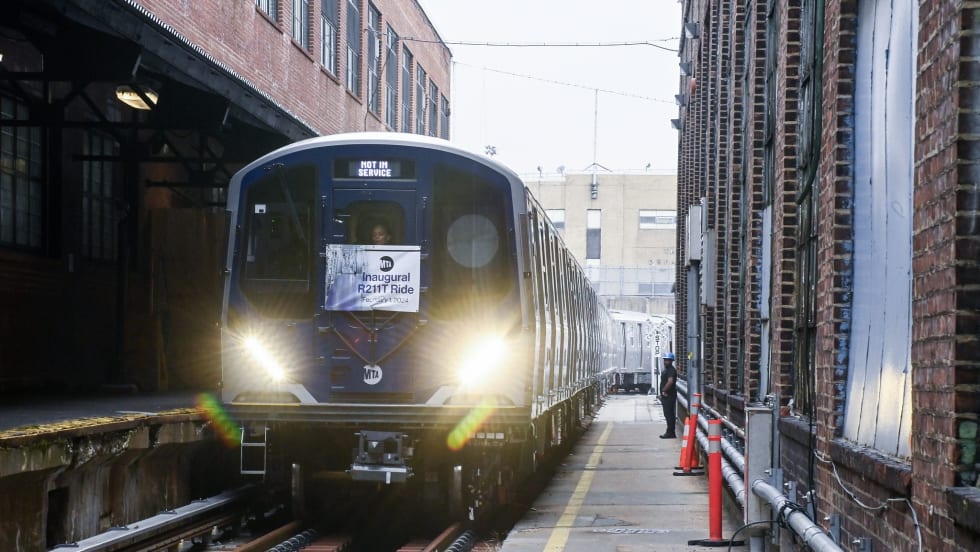

When completed, the $38 million project will make Erie Station fully compliant with the Americans with Disabilities Act. Work includes the installation of a new elevator from street level to the station mezzanine and new elevators from the mezzanine to the northbound and southbound platforms.
Read More →M.J. Maynard, vice chair of APTA and CEO of the Regional Transportation Commission of Southern Nevada, testified before the U.S. House Transportation and Infrastructure Subcommittee on Highways and Transit on behalf of APTA.
Read More →The grants support organizations that coordinate public transportation for underserved groups, allowing them to access healthcare, community services, education, and jobs by building partnerships among health, transportation, and human services providers.
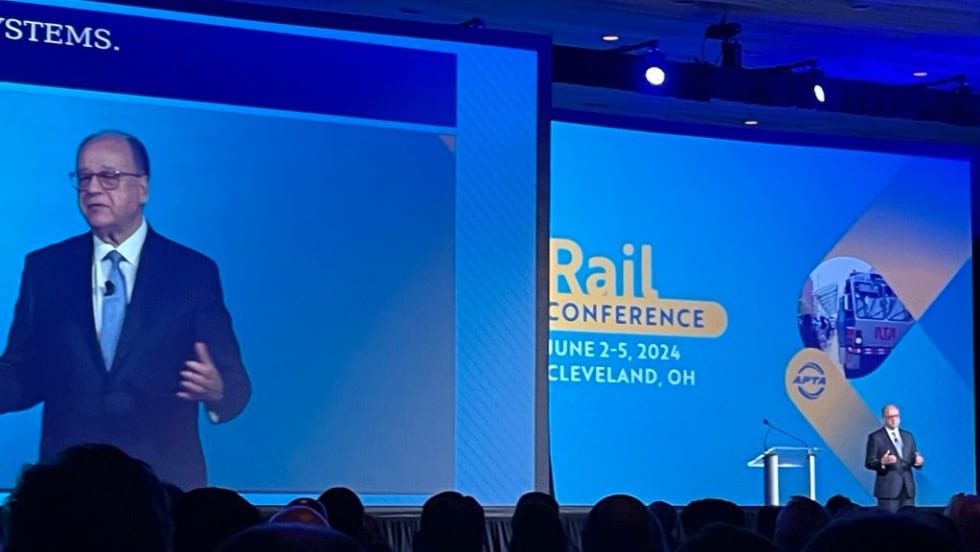
Read More →The show got started with President/CEO Paul Skoutelas touting transit's successes and resiliency.
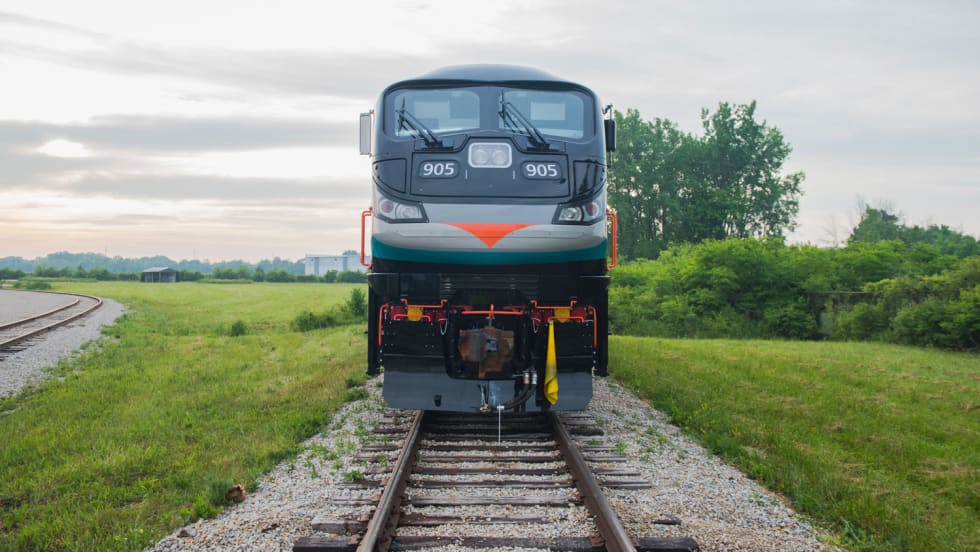
Read More →Made possible by grant funding from the CRISI program, this pioneering technology creates a better experience for drivers and pedestrians while increasing safety for Metrolink passengers.
Read More →The investment, created by the Bipartisan Infrastructure Law, has been awarded through the All Stations Accessibility Program.
Read More →FTA’s Pilot Program for Transit-Oriented Development Planning supports local planning and investment near transit hubs to promote sustainable, livable, and equitable communities, with a focus on projects that plan for affordable housing.
Read More →METRO had the chance to speak with STV's president/CEO for its 2024 Consultant's Roundtable.
Read More →After decades of federal underinvestment, funding from the Bipartisan Infrastructure Law finally has the Northeast Corridor on track to meet the needs of 21st century travelers and commuters.
Read More →