



Feds Award $343M to Modernize Rail Transit Stations
The investment, created by the Bipartisan Infrastructure Law, has been awarded through the All Stations Accessibility Program.

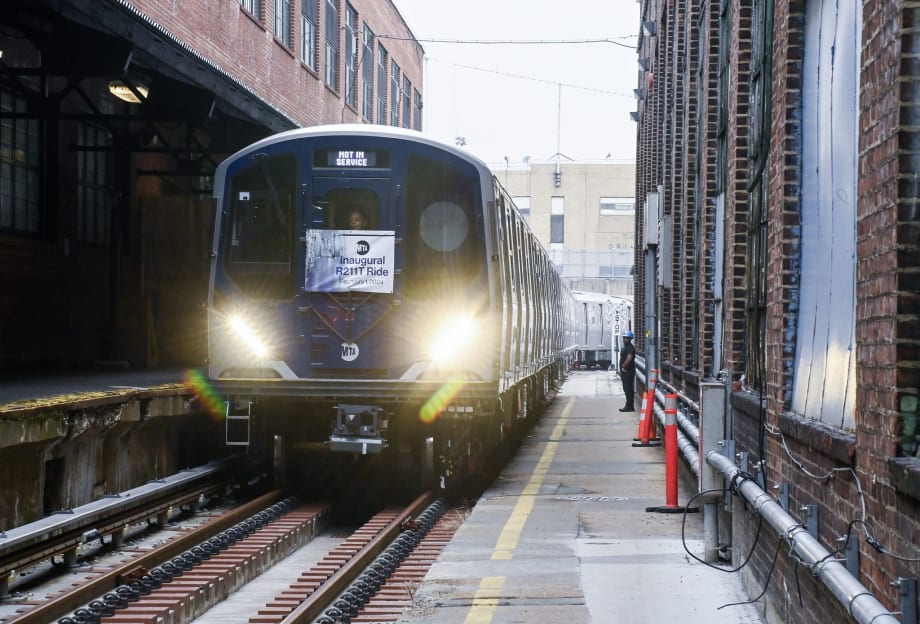
The Metropolitan Transportation Authority in New York City will receive $156.5 million to improve accessibility at the Wakefield-241st Street, Kingsbridge Road, 167th Street, 145th Street, and 110th Street stations.
Photo: MTA/Marc A. Hermann
The Federal Transit Administration (FTA) announced eight transit systems in eight states will receive a total of $343 million in federal funding to retrofit some of the nation’s oldest and busiest rail transit systems to make it easier for Americans to access public transportation.
The investment, created by the Bipartisan Infrastructure Law, has been awarded through the All Stations Accessibility Program (ASAP).
Grant recipients will use the funding to make rail stations more accessible and in line with the Americans with Disabilities Act (ADA) standards by installing elevators, renovating platforms for level boarding, improving signage, and enhancing visual and audio systems.
The projects will also create good-paying jobs in these communities.
“We are not only modernizing our nation’s infrastructure, we are doing so in a way that makes it more accessible for older Americans, people with disabilities, and all transit users,” said U.S. Transportation Secretary Pete Buttigieg. “This initiative, made possible by the Bipartisan Infrastructure Law, is retrofitting old rail stations with elevators, ramps, and more, to make sure that our public transportation is more accessible for millions of Americans going about their daily lives.”
Providing Accessibility
Inaccessibility is a significant hurdle for riders using rail systems built before 1990, known as legacy systems. More than 900 transit legacy stations are not fully accessible today.
“Since the passage of the Americans with Disabilities Act, great strides have been made in improving accessibility, but there is still a lot of work to accomplish,” said FTA Acting Administrator Veronica Vanterpool. “By modernizing rail systems across the country, the ASAP program provides funding to address these overdue improvements. We want to ensure that all customers can use transit systems with ease and reliability, including people with disabilities, those using mobility devices, and other users needing more accessible spaces.”
Some of the selected ASAP projects include:
The Greater Cleveland Regional Transit Authority will receive $16 million to rehabilitate eight stations to make the entire Blue Line accessible for people with disabilities. Station upgrades will include replacing the 40-year-old platforms with new concrete platforms with tactile warning panels, installing redesigned ramps, elevating a platform section to access trains, and improving parking stalls with curb ramps to access the stations.
The Metropolitan Transportation Authority in New York City will receive $156.5 million to improve accessibility at the Wakefield-241st Street, Kingsbridge Road, 167th Street, 145th Street, and 110th Street stations. Modernization work will include installing elevators, updating platforms to reduce gaps, adding tactile platform edge warning strips, making stairway repairs, improving signage, and enhancing visual and audio announcement systems.
The San Francisco Municipal Transportation Agency will receive approximately $4.7 million to construct platforms, wheelchair ramps, and make other accessibility improvements at five Muni light rail stops on the J-Church line and three Muni stops on the M-Ocean View line. These improvements will reduce gaps between the platform and railcar, improving accessibility for thousands of mobility-impaired residents who are currently unable to use the system.
How Projects Were Selected
Projects were selected for funding based on criteria described in the Notice of Funding Opportunity.
The program was created under the Bipartisan Infrastructure Law, which provides a total of $1.75 billion in funding for ASAP through FY 2026. In December 2022, FTA announced $686 million in FY 2022 and 2023 funding to 15 projects in 9 states through the ASAP program.
In response to the Notice of Funding of Opportunity, FTA received nearly $1.1 billion in funding requests for the $343 million available this year, demonstrating the high demand for the program.
More Rail

New York MTA Advances Final Contract for Second Avenue Subway Expansion
Contract Four is the largest in the Second Avenue Subway Phase 2 project and includes construction of station infrastructure, tracks, and signals for the subway expansion, MTA officials said. Work on Contract Four will begin in 2027.
Read More →
San Diego MTS Breaks Monthly Trolley Ridership Record
Agency officials said July’s ridership indicates MTS’s continued recovery from the pandemic.
Read More →
Report Examines NJ TRANSIT Reliability, Funding Challenges
The Garden State Initiative analysis examines the roles of Amtrak infrastructure, fleet management, and agency operations while recommending a more performance-based approach to improving reliability.
Read More →
Stadler, CapMetro Sign Long-Term Rail Fleet Support Agreement
Beginning in 2027, Stadler will provide on-site technical expertise, spare parts support, training, and obsolescence management to help extend the reliability and longevity of CapMetro’s GTW fleet.
Read More →
Biz Briefs: Alstom Lands Canadian Contract, LYT to Supply California TSP, and More
In METRO's latest installment, we take a look at recent news from Complete Coach Works, Beep, FlixBus, and more partnerships making headlines across the transportation sector.
Read More →
CATS Gold Line Marks 5 Years of Service, 2.8M Passenger Trips
With a six-mile expansion planned, the Charlotte streetcar is positioned to connect more neighborhoods and major transit hubs across the region.
Read More →
Why Simulating Pedestrian Movement Has Become Essential for Modern Rail Stations
Pedestrian microsimulation is helping rail planners identify bottlenecks, test station designs, and prepare complex transit hubs for growing passenger volumes.
Read More →
Amtrak Begins Major Construction at New York’s Sunnyside Yard
The new maintenance facility will support Amtrak’s Airo trainsets while improving maintenance efficiency and turnaround times in New York.
Read More →
Chicago Leaders Unveil Plans for O’Hare Airport Express Train
The privately developed project would offer a 15-minute trip between downtown and O’Hare’s Terminal 2, with trains operating every 15 minutes on a dedicated track. The service would use battery-electric trains and three existing freight rail rights-of-way.
Read More →
OCTA Maps Out 30-Year Strategy to Protect Coastal Rail Corridor
The draft feasibility report identifies strategies to protect the coastal rail line for decades as the agency continues near-term stabilization and sand placement efforts.
Read More →