
Metro Magazine

 MENU
MENU SEARCHMENUSEARCH
Loading data...
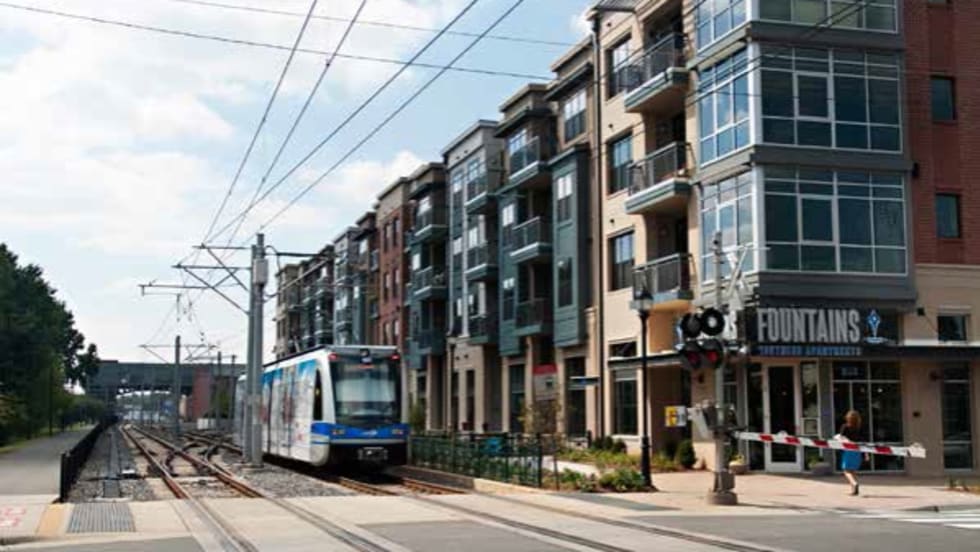
HNTB America THINKS survey also shows Americans willing to pay higher mortgages and rents to live in transit-oriented areas.
Read More →
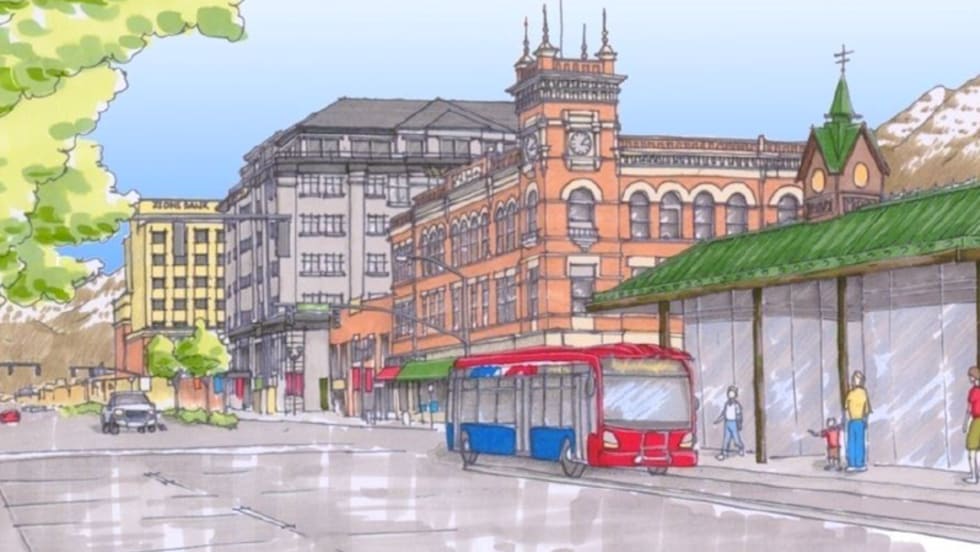

Has engaged Smart Growth America to run the technical assistance and provide a variety of planning and analysis tools.
Read More →The funds are made available through FTA’s Transit-Oriented Development Planning Pilot Program for communities that are developing new or improved mass transit systems.
Read More →The agency has pushed forward with plans to develop under-used parking lots at three stations into mixed-use commercial and residential buildings.
Read More →Across the country, transit is experiencing record ridership growth. The increase in commuters is not only good for transit organizations’ revenue; proximity to train stations and transportation centers can boost property values for surrounding communities and spur new construction of transit-oriented developments, shopping centers and other businesses. But what happens to communities when the “T” in the TODs is no longer there?
Read More →A key finding revealed a pent-up demand for transit access in the Twin Cities metropolitan region. Suggestions for encouraging TOD included fostering collaboration between groups that already have shown an interest in transit-accessible locations.
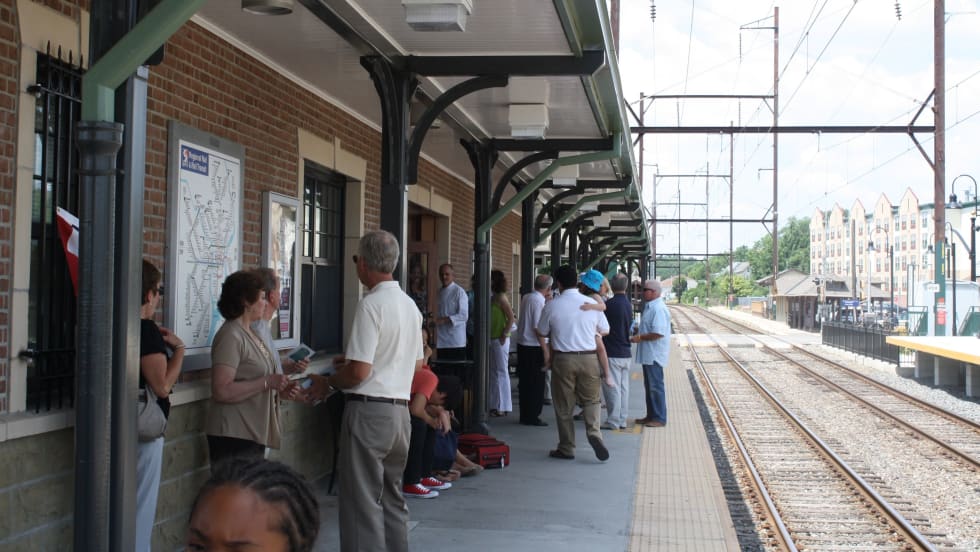
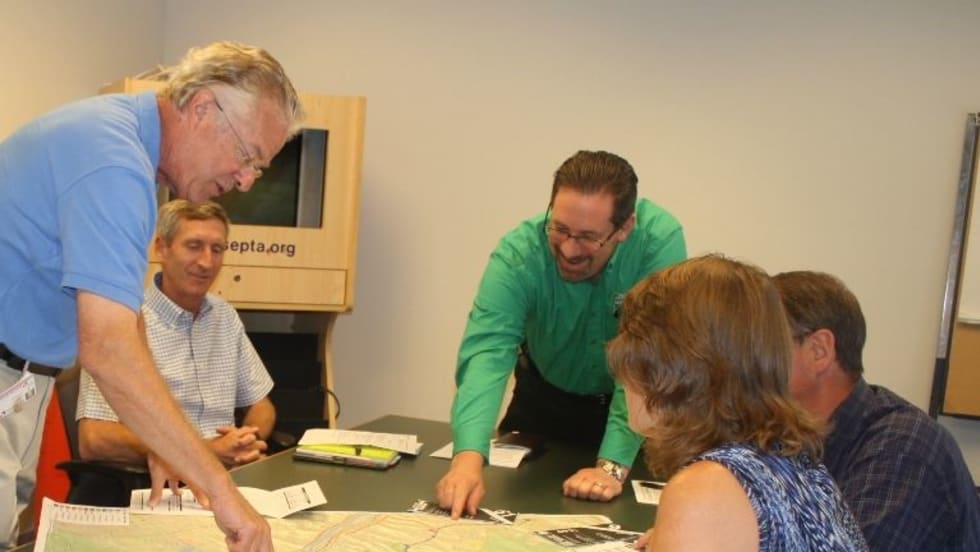
Read More →SEPTA’s service planners collaborated with developers of a new retail center to ensure that public transportation was incorporated into the site’s plans. Additionally, the agency’s planners worked with the public to add a bus route that provides safer access to a playground.
Read More →Center for Neighborhood Technology recommends creating transit-oriented development zones, preserving affordable housing, matching jobs and transit, and providing alternatives to car ownership.
Read More →Identifies the systemic challenges of developing and financing equitable TOD projects and offers concrete national and regional capital and policy ideas to grow the sector.
Read More →At a meeting held by Triangle Transit to talk about the future of affordable housing along a planned rail corridor, presenters said light rail projects around the country have shown it is important to start early to procure affordable housing nearby.
Read More →