
Metro Magazine

 MENU
MENU SEARCHMENUSEARCH
SunRail will run along a 61-mile stretch of existing rail freight tracks in Central Florida. The major funding partners for the project are the Florida Department of Transportation, the FTA, Orange, Seminole, Volusia and Osceola counties and the city of Orlando. The first phase, at 31-miles, will serve 12 stations.
Read More →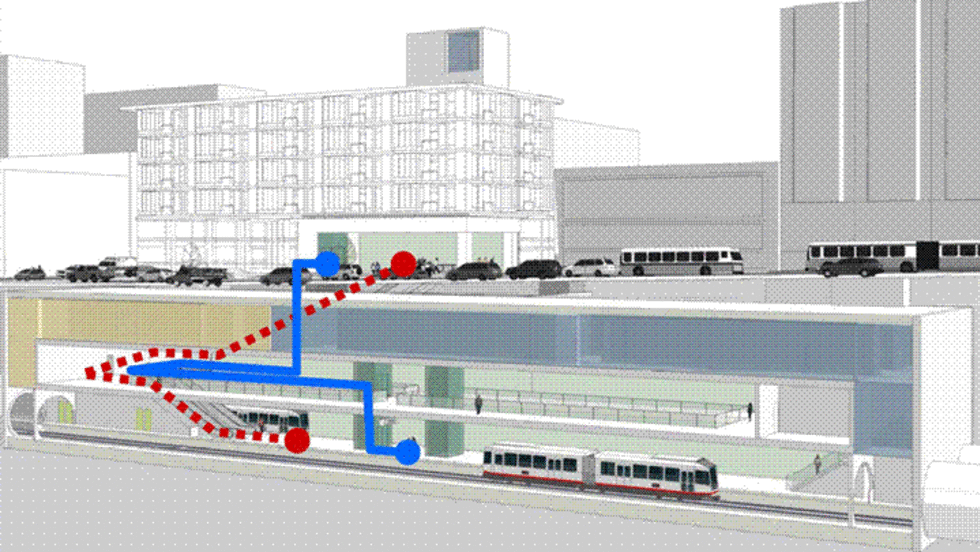
The contract — the largest construction package for the project — was awarded to Barnard Impregilo Healy, in the amount of $233,584,015.00. The extended light rail line is expected to carry 65,000 passengers daily by the year 2030. The project will be in revenue service by 2018.
Read More →Money being provided competitively through the FTA's Sustainability Initiative, which includes: $51.5 million from the Clean Fuels Grant Program and $49.9 million from the TIGGER III Program.
Read More →Will develop and document a transit asset management framework and implementation guide that will support the FTA’s State of Good Repair and Asset Management Programs. FTA estimates a nationwide backlog of $50 billion to $80 billion in deferred maintenance and replacement needs, many of which are rail related.
Read More →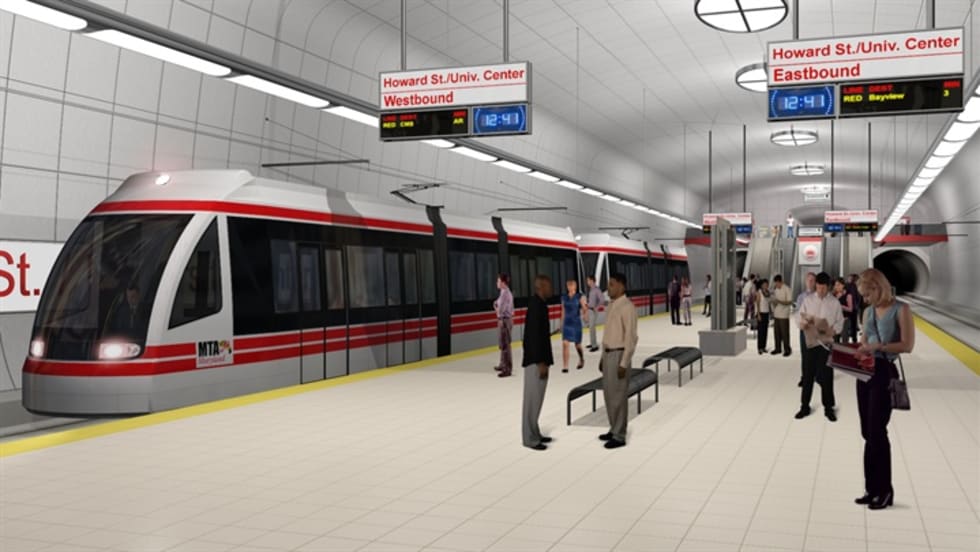
The light rail line, expected to be completed in 2020, will carry 57,000 riders per day in 2030 and cost approximately $1.8 billion in Year 2010 dollars. Accounting for inflation, the cost is approximately $2.2 billion.
Read More →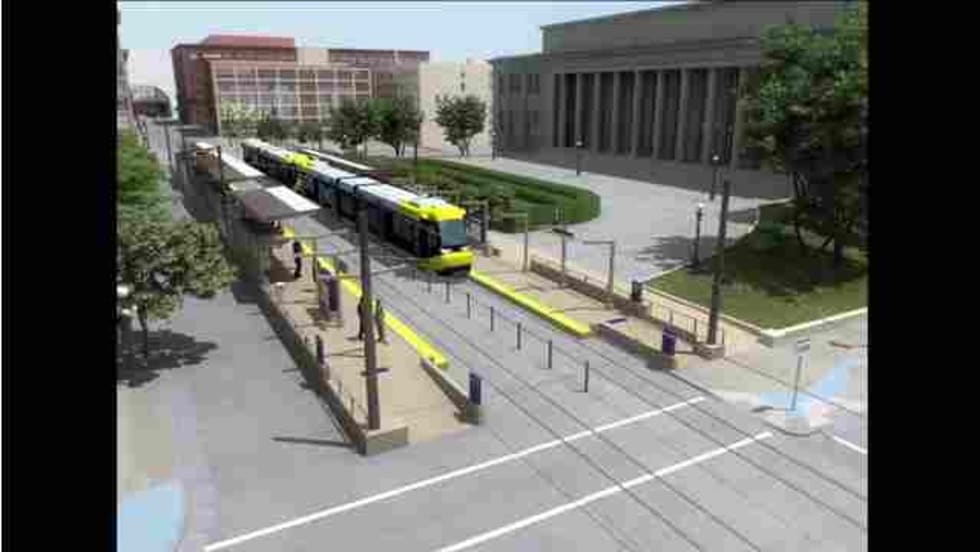
New Starts projects tabbed to receive funds include Connecticut's New Britain-Hartford Busway, Denver's 13-station Eagle Commuter Rail project and Seattle's Rapid C bus rapid transit line.
Read More →County Hall may soon cut services to Metrorail, Metrobus and Metromover if the transit agency’s financial crisis, spurred by a cutoff of FTA funding, doesn’t end soon.
Read More →FTA green lighted work on the University Circle Rapid Transit Station, which was awarded $10.5 million from the TIGER II Program in October 2010. The project will involve reconstructing the station, which includes consolidating the bus and transfer area and the rail station.
Read More →Many policy makers are looking to various proposals to involve private capital to close the growing gap between the available tax revenues — especially at the federal level, but also, state and local taxes dedicated to transit — and what is needed, especially to maintain rail and bus systems adequately.
Read More →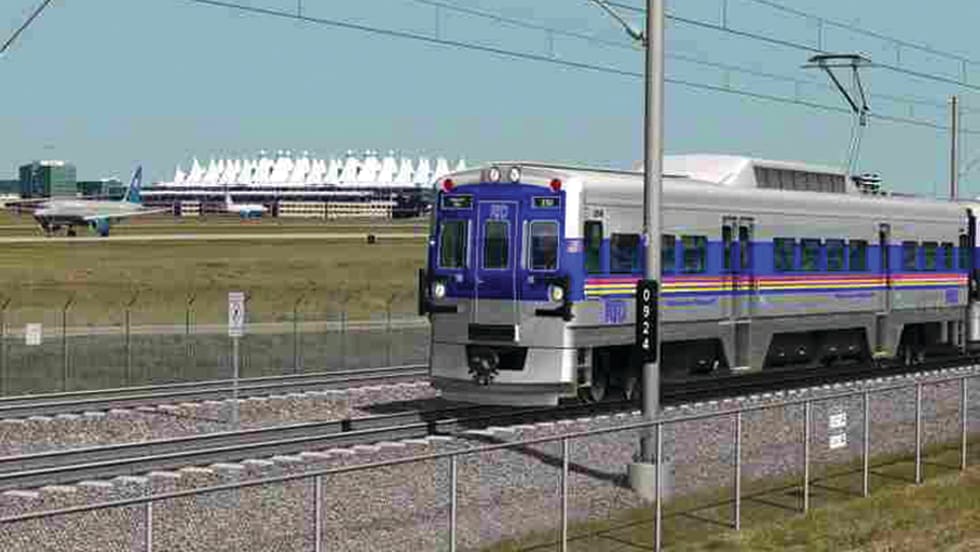
Cliff Henke, a contributing editor to METRO, is senior analyst at PB. His views herein are solely his own.
Read More →