



Private sector investment won't cover whole gap
Many policy makers are looking to various proposals to involve private capital to close the growing gap between the available tax revenues — especially at the federal level, but also, state and local taxes dedicated to transit — and what is needed, especially to maintain rail and bus systems adequately.
Many policy makers are looking to various proposals to involve private capital to close the growing gap between the available tax revenues — especially at the federal level, but also, state and local taxes dedicated to transit — and what is needed, especially to maintain rail and bus systems adequately. While private capital can help fill this gap, it will likely not be able to fill it completely. The sooner that our leaders agree on this fact, the faster they can agree on the tax increase needed to fund the U.S. transportation infrastructure crisis that is getting worse every day.
According to the U.S. Department of Transportation, more than $78 billion is needed just to bring the nation's transit infrastructure up to "a state of good repair" — in other words, just to catch up on the maintenance, rehabilitation and replacement backlog. That figure is also just for the existing systems, not including the rapidly growing demand for services to relieve congestion and address the addition of more than 100 million more people expected to live in the U.S. by 2050.
Encouraging private investment
There have been many really good proposals for encouraging private investment, ranging from subsidized and government-backed loans to more aggressive public-private partnership strategies. In recent congressional testimony, however, APTA President Bill Millar put it best: "New financing tools cannot replace the need for expanded federal investment." Others, like the U.S. Chamber of Commerce, have been even blunter: Such ideas can stretch federal dollars, but private money will only come in when they have a clear idea of what government will contribute, and so, it is irresponsible to think private funds will be any kind of solution without more tax revenue. To have more public-private partnerships, they say, you need to have exactly that — public and private support.
Save money, deliver projects quickly
Virtually every blue ribbon group who has looked at this issue has concluded that increased private participation will help save money and deliver projects quicker, and that private funds can help fill part of the investment gap, but under any realistic scenario, more federal revenue is needed. Every other country has proven that; so has transportation history in the U.S.
It has also been true at the state and local levels here. For nearly 20 years, U.S. voters have understood this; more than 70 percent of ballot propositions have passed, including those with tax increases attached. Many of these, though, assume that the federal government will also contribute a fair share. It is time for our federal leaders to stop shirking their responsibility.
More Bus

Finding the ‘Happy Medium’: Optimizing Maintenance Without Sacrificing Reliability
The key to maintenance optimization isn’t doing less work—it’s doing the right work at the right time on the right assets.
Read More →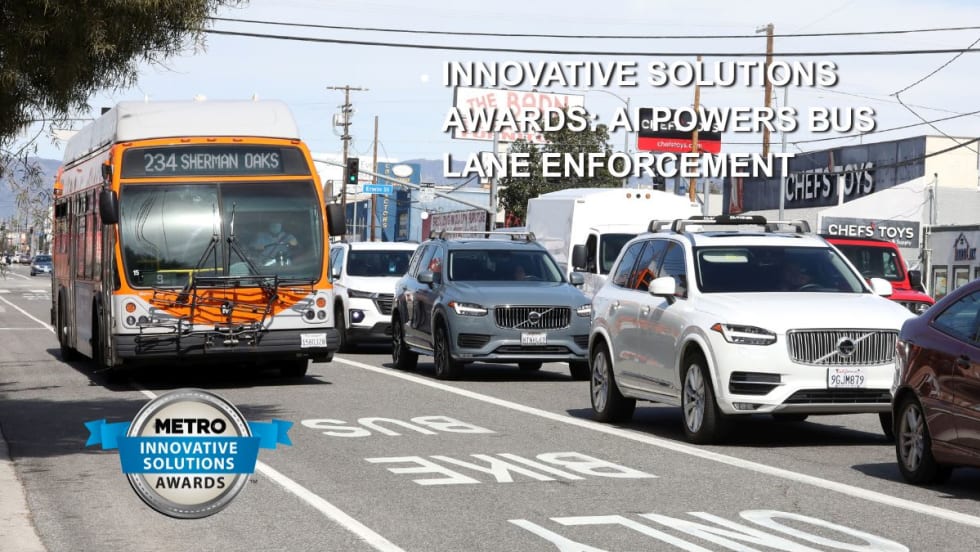
LA Metro, City of West Hollywood, and Partners Advance Smarter Bus Lane Enforcement
The award-winning partnership combines AI-powered detection with human oversight to improve bus reliability, accessibility, and enforcement efficiency.
Read More →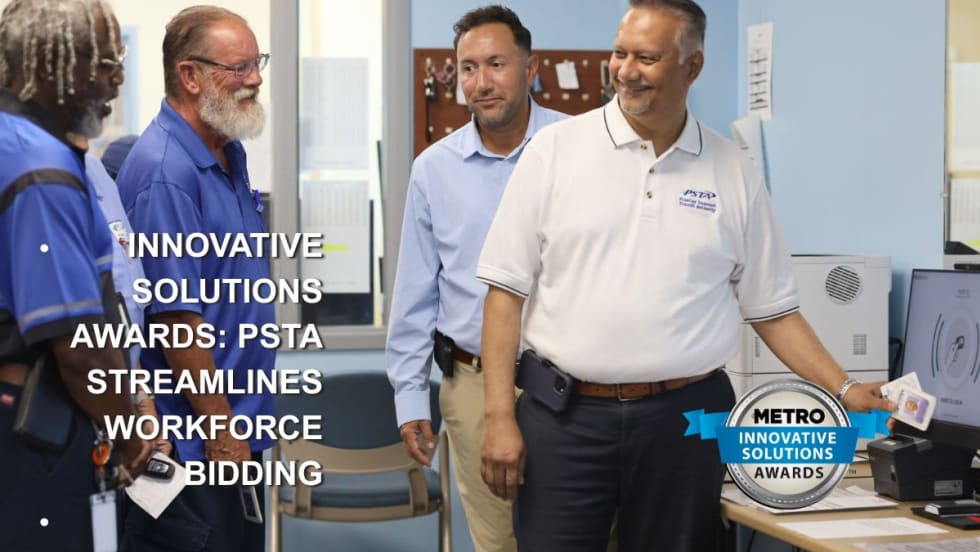
PSTA Modernizes Workforce Management with Digital Bidding System
The award-winning Workforce Transit Modernization project replaced paper bidding with a transparent digital platform, cutting administrative effort while improving access for operators.
Read More →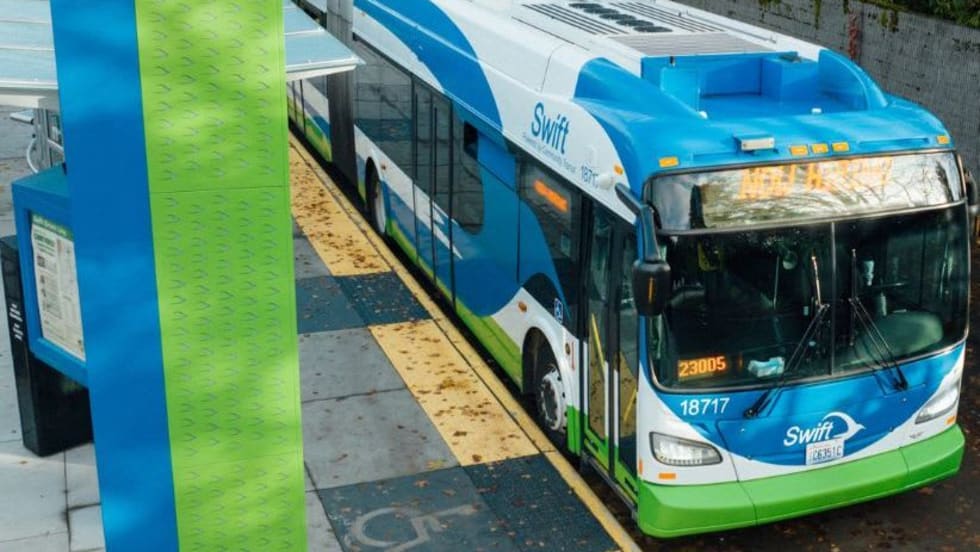
Washington's Community Transit Sets Six-Year Roadmap for Growth, Expansion
Approved TDP targets more bus service, new mobility options, Swift BRT expansion, and a potential Everett Transit annexation.
Read More →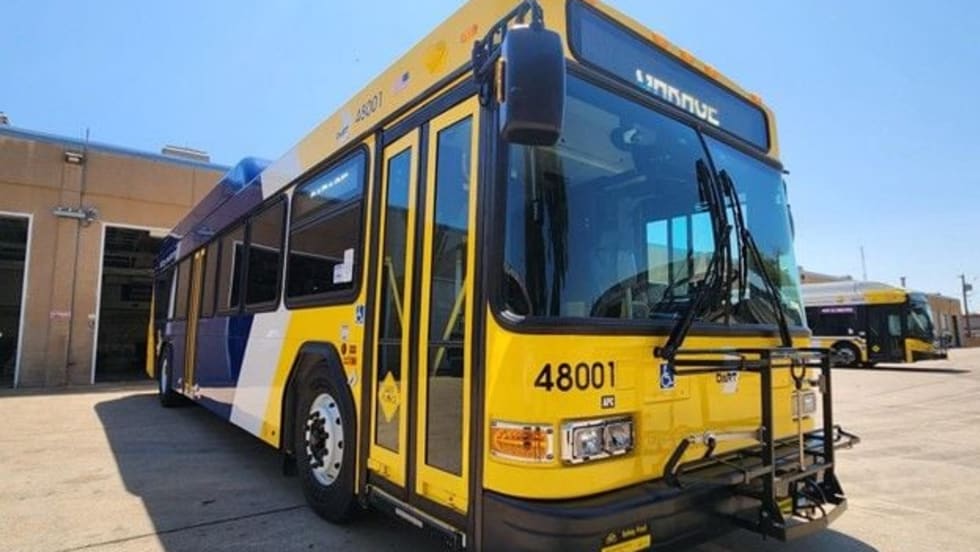
DART Customer Satisfaction Reaches Six-Year High
Overall satisfaction rose to 74.9%, while the agency’s Net Promoter Score reached a record 33.7.
Read More →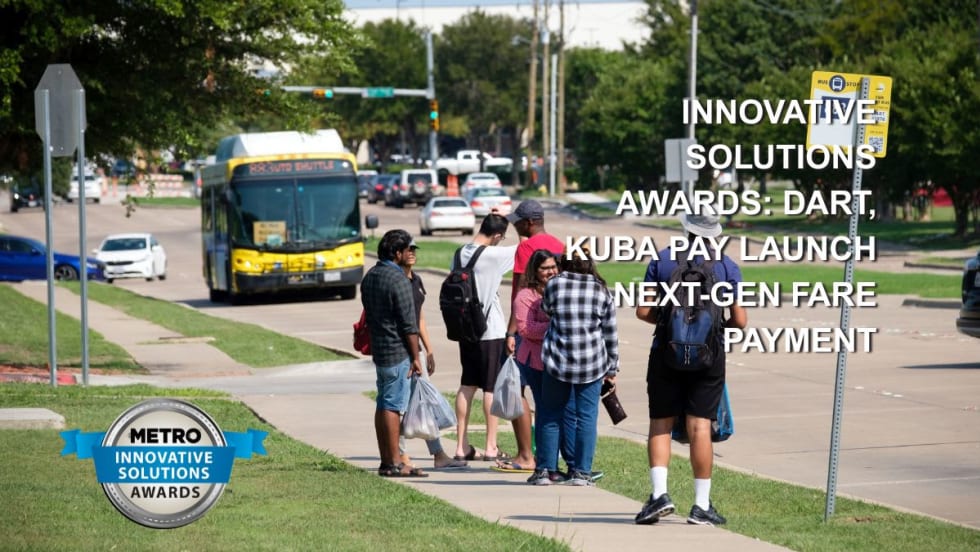
How DART's GoPass Is Redefining Regional Mobility
Serving 14 transit agencies, GoPass simplifies multimodal travel by allowing riders to plan, pay for, and manage an entire trip through one app.
Read More →
Biz Briefs: OCTA Taps Clean Energy for Hydrogen Station, Stadler to Supply Via Rail Vehicles, and More
From manufacturers and suppliers to transit agencies and motorcoach operators, these updates offer a snapshot of the projects, partnerships and business moves driving the industry forward.
Read More →
METRO Magazine Announces 2026 Innovative Solutions Awards Winners
Projects Recognized for Advancing Mobility Through Technology, Accessibility, Workforce Innovation, and Operational Excellence
Read More →
Biz Briefs: STV teams with Amtrak, Motorcoach Operators Boost Fleet and Land Contracts, and More
From manufacturers and suppliers to transit agencies and motorcoach operators, these updates offer a snapshot of the projects, partnerships and business moves driving the industry forward.
Read More →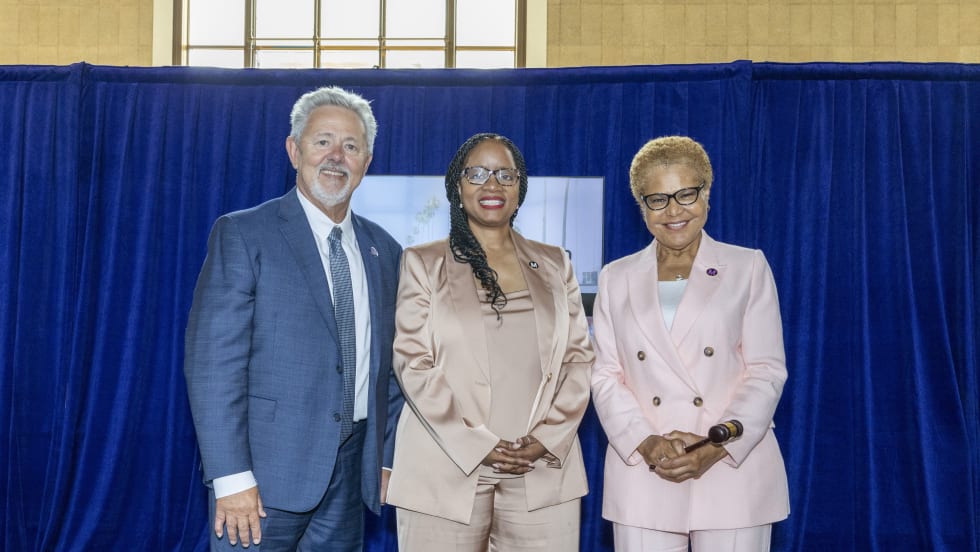
LA Metro Marks Banner Year, Sets Ambitious Goals for New Fiscal Year
Incoming LA Metro Board Chair and Los Angeles Mayor Karen Bass joined outgoing Board Chair Fernando Dutra and LA Metro CEO Stephanie Wiggins to review accomplishments from fiscal year 2026, which included the opening of new rail extensions, advancement of major transit projects, expanded safety programs, and new rider amenities.
Read More →