
Metro Magazine

 MENU
MENU SEARCHMENUSEARCH
Loading data...
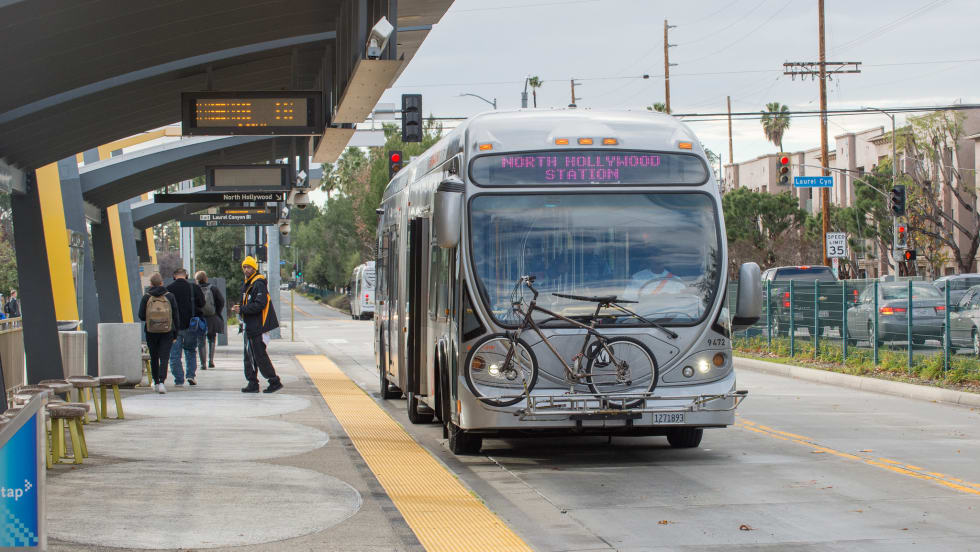
In approving Metro’s funding request, $202 million was allocated to the East San Fernando Valley Transit Corridor project, a high-capacity bus rapid transit or light rail project that will connect the Orange Line Van Nuys Station to the Sylmar/San Fernando Metrolink Station.
Read More →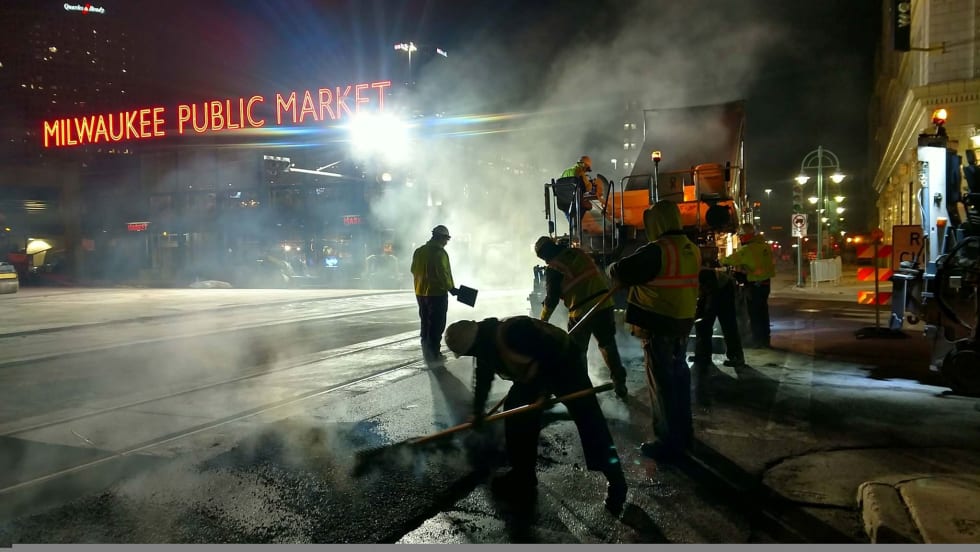
Over the last few months, we’ve talked about the resurgence of streetcars and explored recently completed projects across the country. So what’s next for modern streetcars? A number of expansions of existing systems are in various stages of planning and development ...
Read More →
Smith began serving as Interim CEO in February 2016 and CEO in November 2016.
Read More →
The contract, which was supported by FTA funding and includes options for 197 buses over five years.
Read More →
The new code of conduct discourages disruptive behavior on the Valley’s 26-mile light rail line and empowers the transit agency to remove riders who engage in inappropriate or unsafe behavior.
Read More →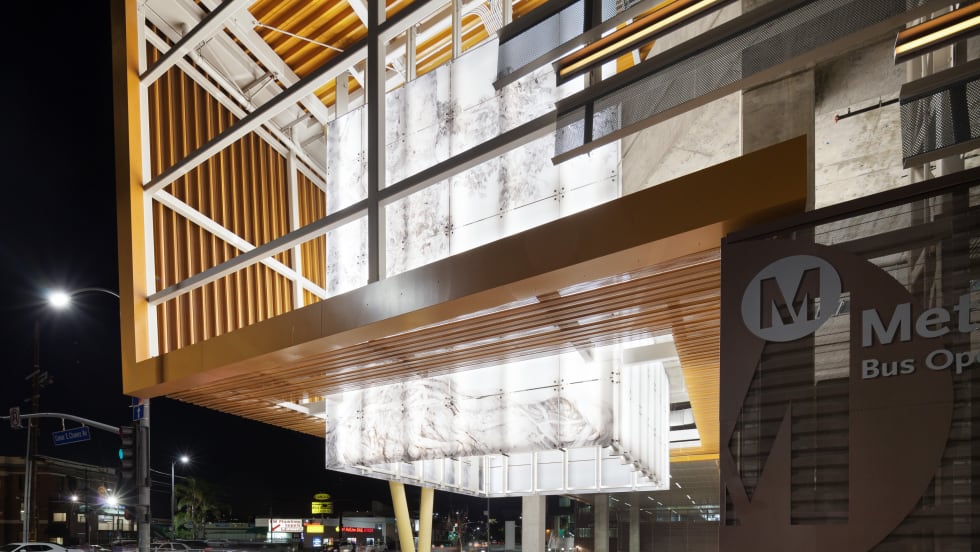
By incorporating simple biophilic principles into station and facility design, cities, and transit agencies can foster stronger connections to nature that improve our overall wellbeing as individuals and as a community.
Read More →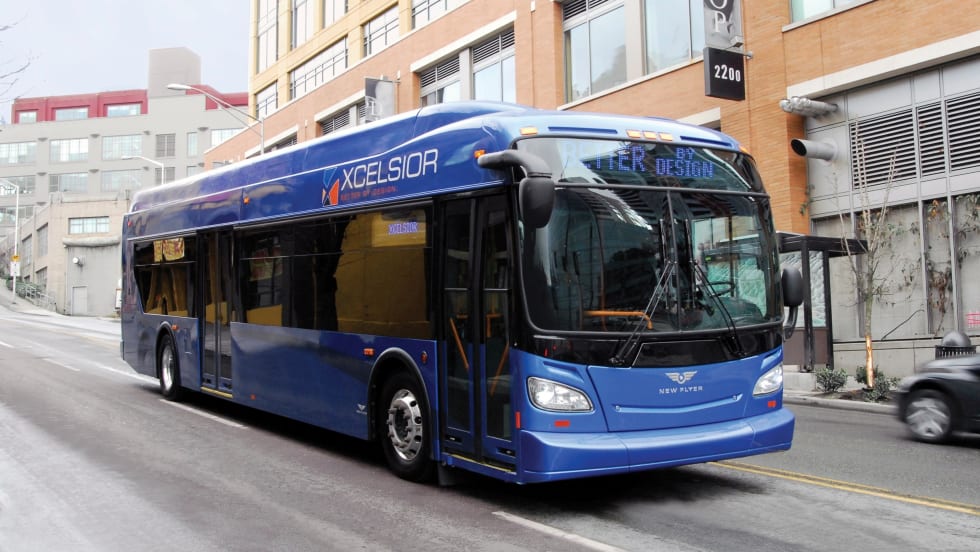
All vehicles are funded by Federal Transit Administration and a half-cent sales tax that funds the Regional Transportation Plan in Maricopa County, which was approved by voters in 2004.
Read More →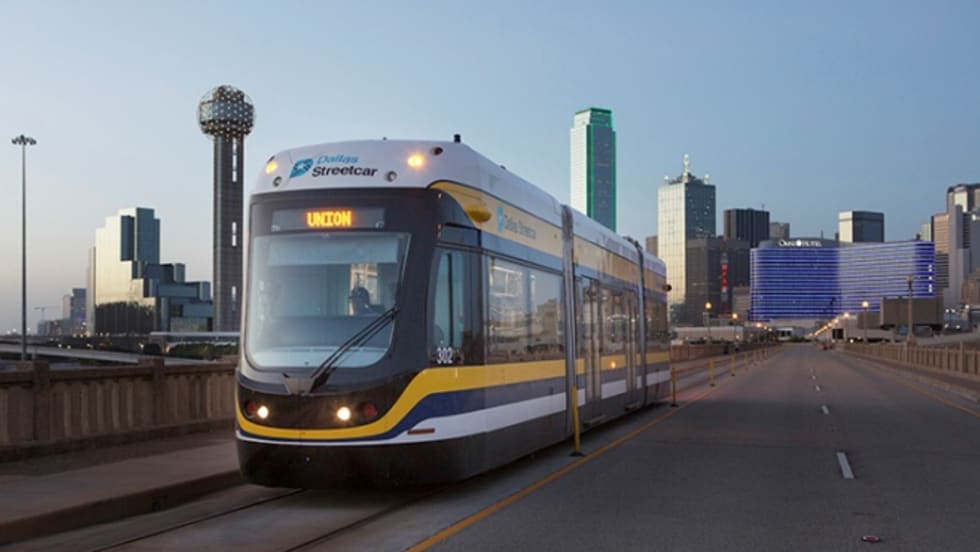
The Liberty Streetcars will operate along a new corridor connecting Tempe residents and visitors, as well as Arizona State University students with key current and emerging local destinations.
Read More →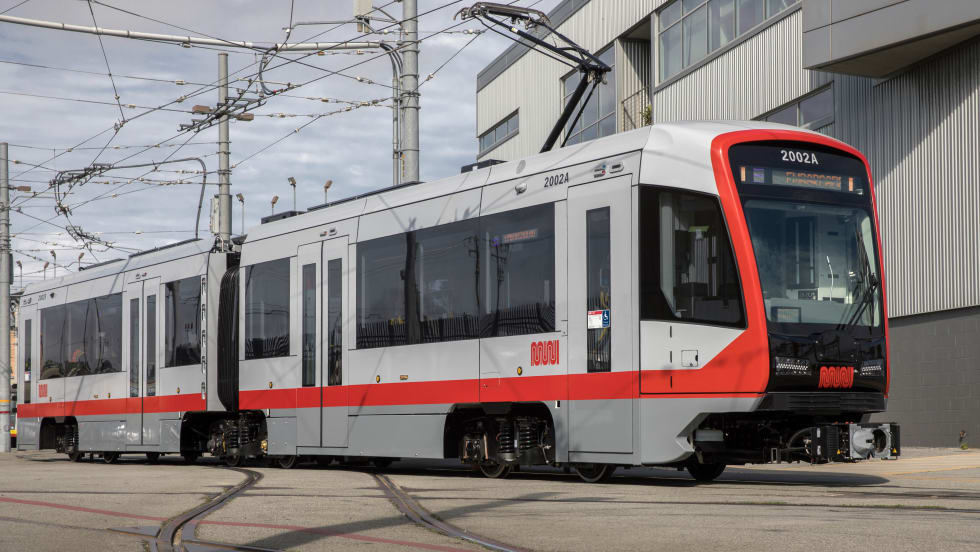
The new vehicles offer a larger interior, energy-efficient LED lighting, and heavy-duty air conditioning systems, and will be built at Siemens' manufacturing plant in Sacramento, Calif.
Read More →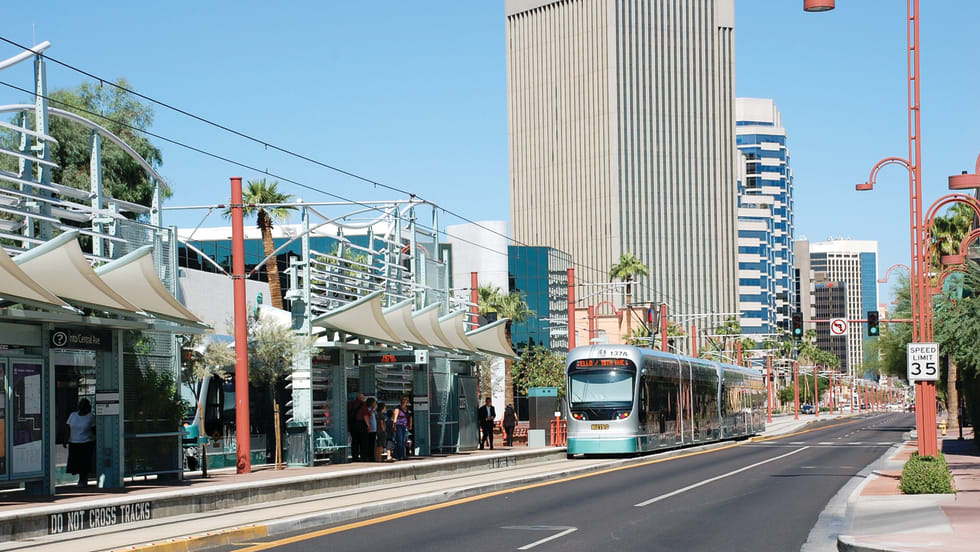
An in-depth look at the recently completed QLine streetcar in Detroit, as well as rapid expansions and community support for Ariz.’s Valley Metro Rail and Seattle’s Sound Transit, where both agencies are spearheading aggressive plans to grow their rail systems.
Read More →