



Metro Vancouver Transit Set for Rider-Driven Upgrades
The actions are built around five priorities identified by customers: operational reliability, communication, frequency and convenience, safety and security, and comfort and cleanliness.

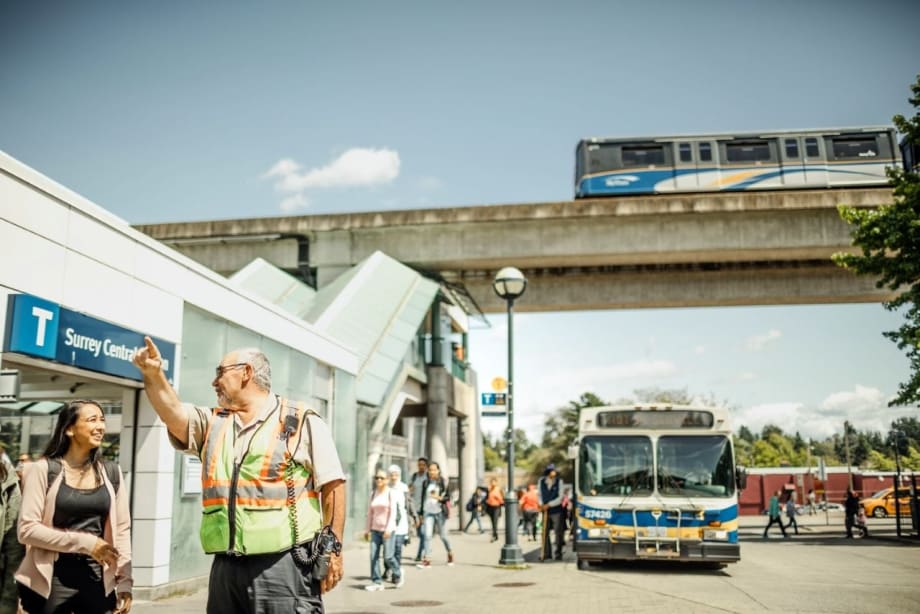
TransLink's previous Customer Experience Action Plan has delivered or is actively delivering 33 of the 37 initiatives, which include a wide range of upgrades and improvements for customers.
Credit: TransLink
Better real-time transit information, more reliable elevators and escalators, easier ways to report cleanliness issues, and continuing design work for bus rapid transit (BRT) are among the improvements Vancouver’s TransLink is advancing through its new Customer Experience Action Plan.
The five-year plan outlines 34 actions informed by customer feedback and focuses on making every transit trip easier and more comfortable, agency officials said.
The actions are built around five priorities identified by customers: operational reliability, communication, frequency and convenience, safety and security, and comfort and cleanliness.
“Customers have been clear about what matters most to them, and this plan is our commitment to act on that feedback,” says TransLink CEO Kevin Quinn. “From real-time information to accessibility, safety, and comfort, we’re focused on delivering practical improvements people can see, feel, and rely on every day.”
Improving the Customer Experience
Some initiatives identified to improve the customer experience include:
BRT: Next phase of design for three BRT corridors, including Metrotown-North Shore, Langley-Haney Place, and King George Boulevard. BRT will provide fast, frequent, and reliable service by operating in dedicated bus lanes, using transit signal priority at intersections, and providing weather-protected stations.
SeaBus Terminal Upgrades: Modernizing SeaBus terminals for better customer flow, comfort, and convenience. This includes replacing aging operational equipment, such as the loading bay doors, emergency exit ramps, and ventilation systems in the south terminal skywalk.
Major Bikeway Network (MBN): Expanding the region’s cycling network, connecting to transit hubs and regional destinations to create a safer, more connected system for active transportation.
Elevator and Escalator Upgrades: Multiple projects are underway to replace aging elevators on the Expo Line and escalators on the Millennium Line, improving accessibility, reducing maintenance downtime, and providing more modern, spacious facilities.
Real-Time Information Improvements: Enhancing real-time transit information, including the speed and accuracy of service alerts, so that customers can better plan their journey.
Cleaning and Maintenance Text Line Expansion: Expanding TransLink's Cleaning and Maintenance Text Line to include additional SkyTrain stations and introducing the service at select bus loops and exchanges to provide a more comfortable trip for riders.
Safe Spaces Program: Improving customer safety at transit hubs by working with frontline staff to identify problem areas and making practical improvements that make stations brighter and more welcoming.
The plan was developed through extensive research, including input from more than 1,000 customers, transit staff, and key business stakeholders, as well as a review of industry best practices.
Still Perfecting the Previous Plan
TransLink's previous Customer Experience Action Plan has delivered or is actively delivering 33 of the 37 initiatives, which include a wide range of upgrades and improvements for customers.
Initiatives include:
The opening of the first public washroom at Metrotown Station.
Creation of the Transit Volunteer Program, which has grown to 130 active community volunteers since launching in 2022.
Launch of the R6 Rapid Bus in Surrey, which recorded more than 5.2 million boardings in 2024, and is now the sixth busiest bus route in the region.
Contactless Interac Debit payments across buses and fare gates, making TransLink the first agency in Canada to integrate this payment option systemwide fully.
More Management

METRO Opens Submissions for 2026 Motorcoach Awards
Nominations are now being accepted for METRO Magazine’s Operator of the Year and Innovative Operator of the Year awards.
Read More →
New York MTA Advances Final Contract for Second Avenue Subway Expansion
Contract Four is the largest in the Second Avenue Subway Phase 2 project and includes construction of station infrastructure, tracks, and signals for the subway expansion, MTA officials said. Work on Contract Four will begin in 2027.
Read More →
Transit Agencies Highlight Safety Gains at National Summit
Leaders from 15 major transit systems shared crime-reduction results and safety initiatives while discussing the role of continued federal support.
Read More →

NITA Names New Leadership, Expands Reduced-Fare Program at First Board Meeting
The new regional transit authority appointed its first board chair and interim executive director while extending reduced fares across CTA, Metra, and Pace for eligible riders.
Read More →
Beyond the Checklist: A Structured Approach to Transit Maintenance
Reliability-Centered Maintenance helps transit agencies move beyond routine checklists to focus limited resources on the assets and failures that have the greatest impact on safety, reliability, and service.
Read More →
APTA 2026 Nominating Committee Selects Leadership Slate, Names Chair and Vice Chair Nominees
Leadership changes will help shape the association’s priorities and its representation of the transportation industry during the 2026–2027 term.
Read More →
DART Launches Major Security, Fare Enforcement Initiative
The 90-day demonstration will deploy coordinated security teams at five light rail stations while testing controlled access and gathering data to guide future investments.
Read More →
Advancing Fare Collection Through Technology and Innovation
Learn about delivering 1300 gates at 91 stations while managing fare evasion. Explore the large scale deployment, solution customization and real-world results that affect the region. Prepare for deployment in your region now.
Read More →
Game Day in Motion: Moving Millions During the 2026 World Cup
Between packed transit stations and team motorcoaches, see how agencies and operators across North America tackled the transportation demands of the 2026 FIFA World Cup.
Read More →
Surface Transportation Extension Averts Shutdown, Leaves Transit Funding Gap
The stopgap keeps federal transportation programs moving, but missing advance funding could complicate the transit and rail projects agencies are planning next.
Read More →