
Metro Magazine

 MENU
MENU SEARCHMENUSEARCH
Loading data...
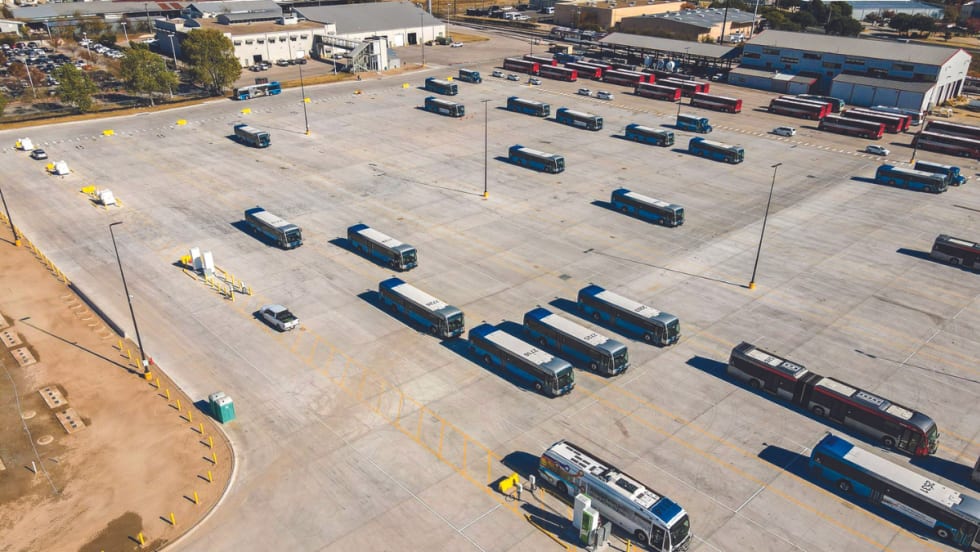
It’s easy to buy a bus, but the infrastructure necessary to operate, maintain, and store a fleet of them isn’t necessarily so easy, particularly if you’re switching from diesel to electric. It’s costly. And it can take a long time to put in place.
Read More →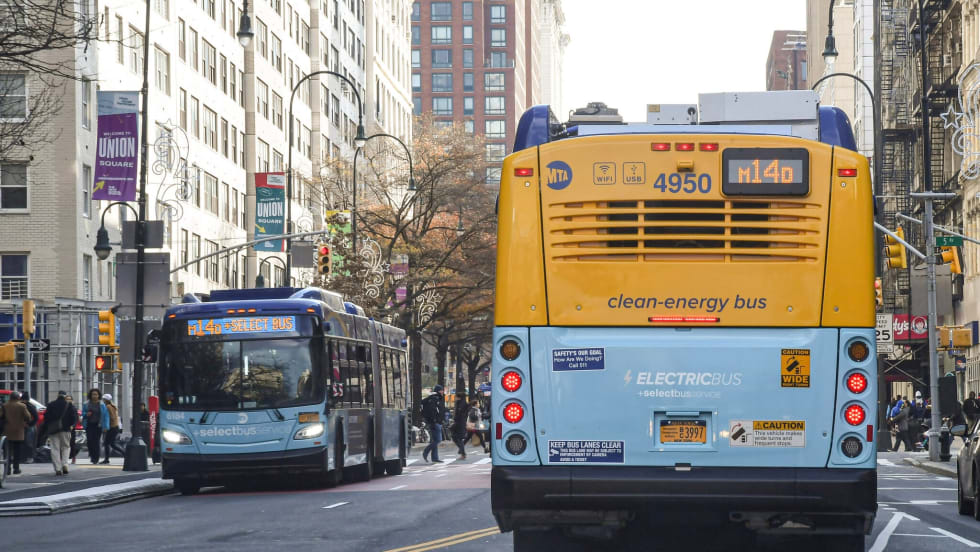
Funded by the President’s Bipartisan Infrastructure Law, more than 1,100 of the 1,800 vehicles being funded will use zero-emissions technology, which reduces air pollution and helps meet the President’s goal of net-zero emissions by 2050.
Read More →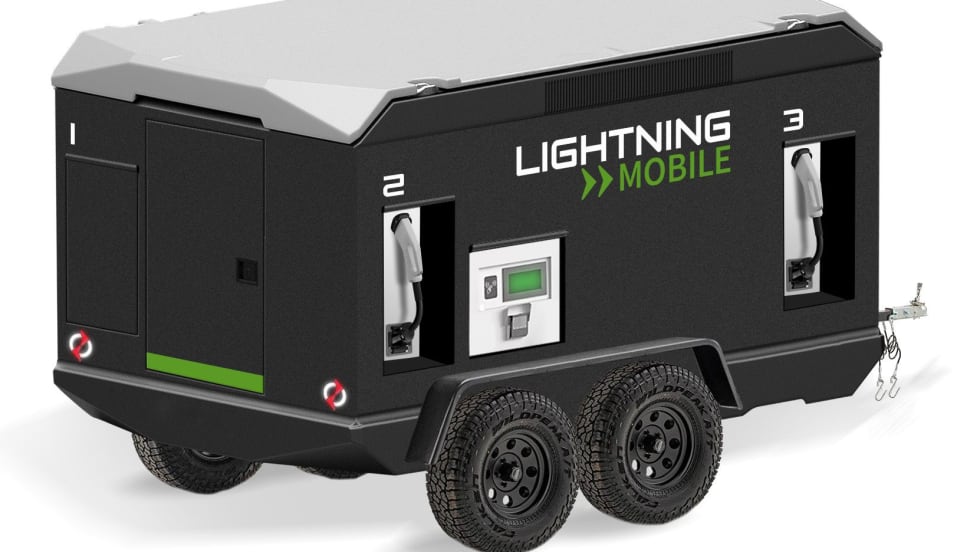
The new mobile charging solution can accommodate a variety of battery capacities and outputs to meet a range of customer use cases.
Read More →
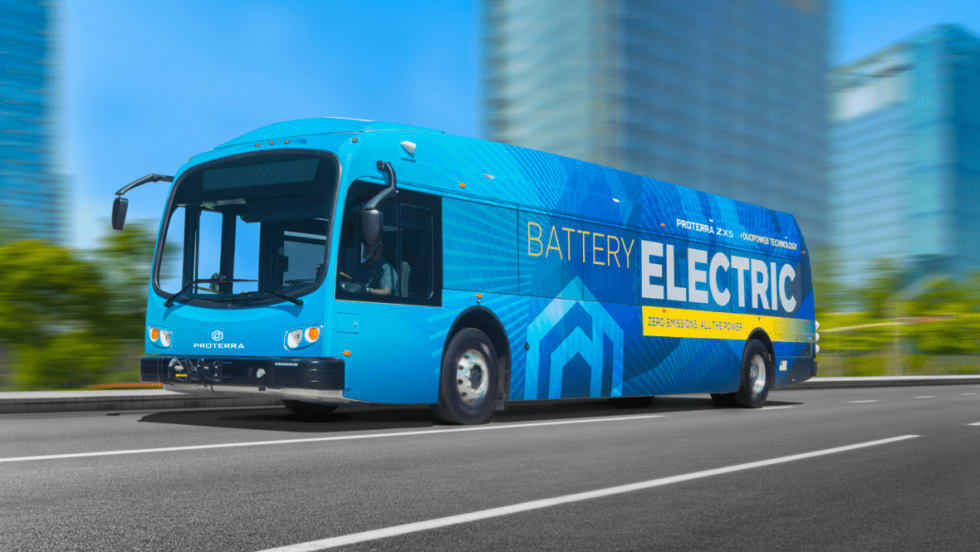
The contract includes the option for BC Transit to acquire additional electric transit buses and EV chargers from Proterra as the agency seeks to replace 500 buses with electric vehicles over the next decade.
Read More →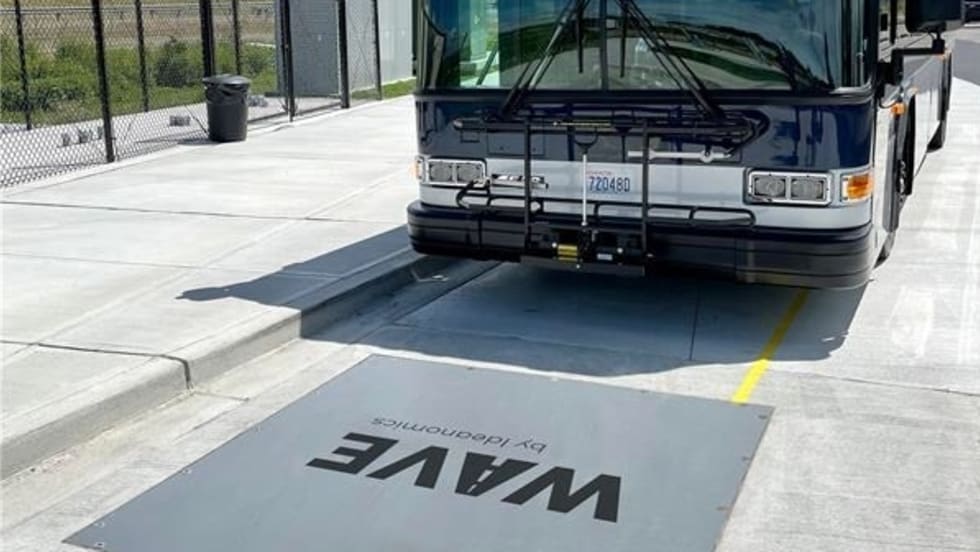
The two WAVE 250kW systems will be installed at the Mellen Street e-Transit Station and will power new Gillig battery-electric buses scheduled to arrive in 2023.
Read More →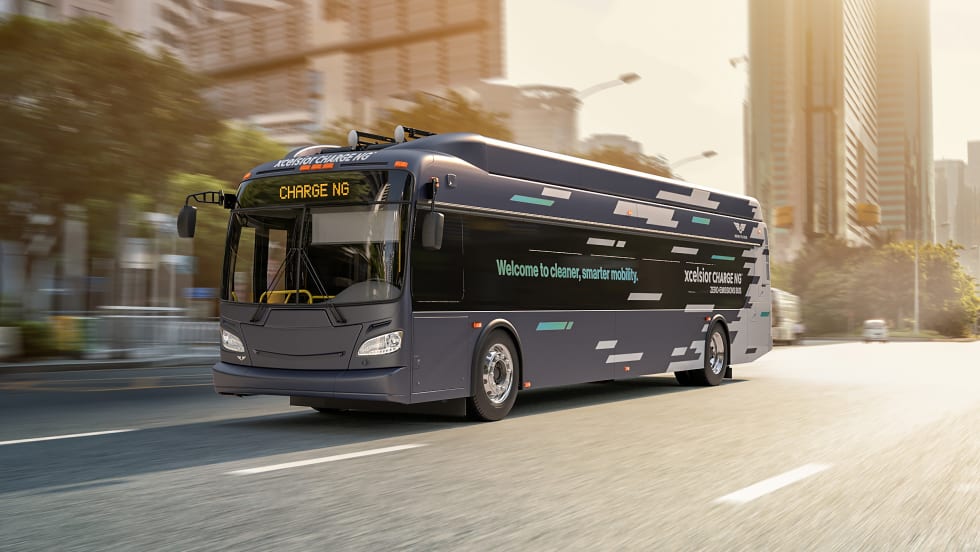
DFW is the second busiest airport in the world, connecting 62.5 million customers to 267 international and domestic destinations every year.
Read More →
The modeling will be provided by HDR’s proprietary Zero+ Fleet Optimization Tool, an industry-leading, fuel-neutral tool that is fully customizable to an agency’s needs across multiple transit systems, geographies, climates, and fuel technologies.
Read More →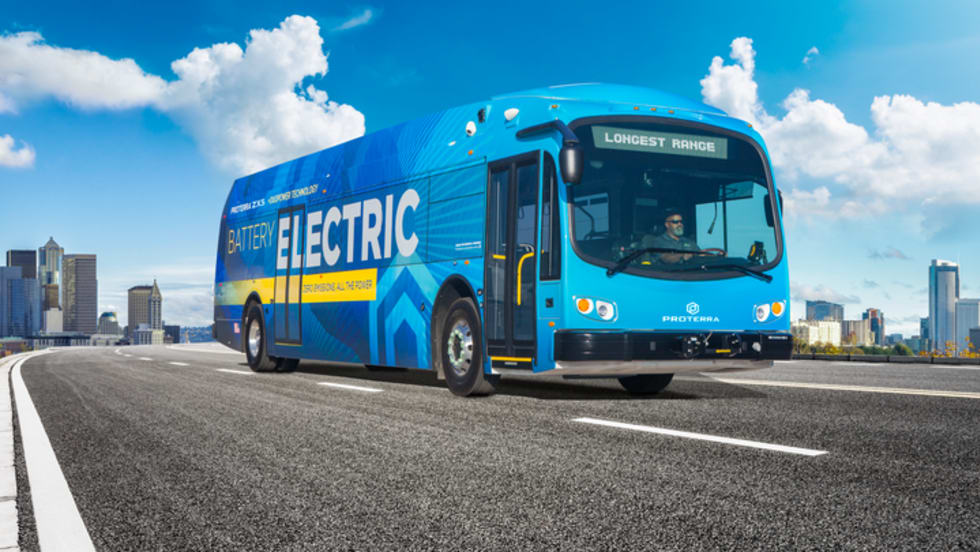
Designed and manufactured in the U.S., Proterra’s electric transit buses are equipped with the company’s Proterra Powered battery technology systems.
Read More →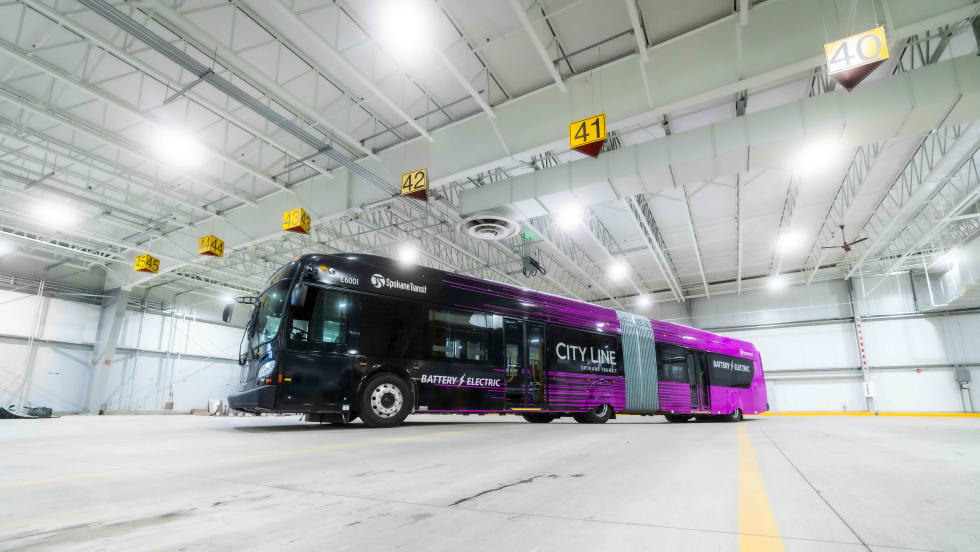
Here are some steps you can take to help determine which propulsion type is ideal for your fleet.
Read More →