



HDR to Develop Electric Bus Transition Plans Across Ontario
The modeling will be provided by HDR’s proprietary Zero+ Fleet Optimization Tool, an industry-leading, fuel-neutral tool that is fully customizable to an agency’s needs across multiple transit systems, geographies, climates, and fuel technologies.

Canada’s Metrolinx chose HDR to provide battery-electric bus transition plans for 13 transit agencies across Ontario. HDR’s zero-emissions experts will work with each agency to understand their individual plans or targets, as well as local policies that influence the timeline towards fleet electrification. The full timeline for analysis will be set by each agency.
Each of the agencies will receive a customized report built from four main tasks:
Route modeling and schedule optimization
Facility assessment
Full-fleet electrification transition plan
Municipal fleet analysis
The modeling will be provided by HDR’s proprietary Zero+ Fleet Optimization Tool, an industry-leading, fuel-neutral tool that is fully customizable to an agency’s needs across multiple transit systems, geographies, climates, and fuel technologies. Fully integrated with Zero+, HDR’s customizable decision support tool called EconMOVES will further help fleet transition planning teams evaluate alternative capital and operating scenarios within defined financial parameters.
“As transit agencies across North America work toward fully electrified fleets, success depends on making the best decisions possible,” said Rob Mowat, who directs HDR’s zero emissions mobility practice and is the project leader on the Ontario studies. “Upfront planning and detailed analysis will give decision-makers in these Ontario communities the information they need to design a clear and implementable roadmap to full electrification.”
Thirteen agencies banded together to seek the planning assistance through Metrolinx’s Transit Procurement Initiative, which acts as a central transit procurement agency on behalf of Ontario municipalities.
The participating municipalities are Barrie, Belleville, Chatham-Kent, Cobourg, Collingwood, Greater Sudbury, Kingston, Milton, Orangeville, Sault Ste. Marie, Stratford, Thunder Bay, and Windsor. They stretch from Kingston in the east to Thunder Bay in the west, across more than 1,600 kilometers of the province. Combined, the agencies have 460 transit vehicles, 137 routes, and an average annual ridership of more than 31 million passengers.
More Zero Emissions

Caltrain’s Electrification Drives a New Era of Ridership Growth
The railroad’s shift to electric service has brought more frequent trains, stronger customer satisfaction, and increased ridership, earning it APTA’s Outstanding Public Transportation System award.
Read More →
Building a Flexible Path to Transit Electrification with BAE's John Hroncich
John Hroncich discusses BAE Systems’ modular and scalable approach, lessons learned from decades of real-world operations, and how agencies can identify electrification strategies that fit their fleets.
Read More →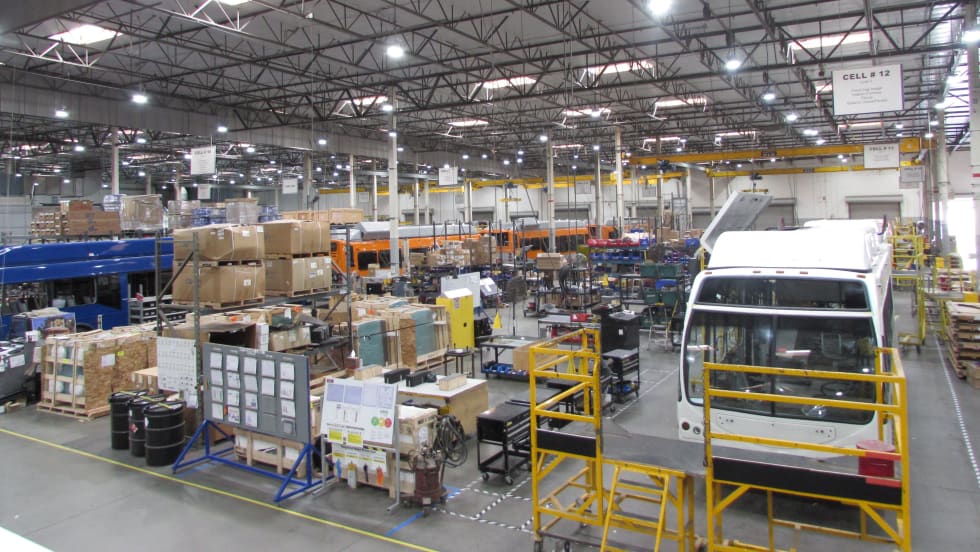
LA Metro Board Awards 220 Battery-Electric Bus Contract to ENC
The contract, which is the largest base award of battery-electric buses by a U.S. transit agency, will be built in Southern California, sustaining good jobs as LA prepares to welcome the world in 2028
Read More →
Public Transit Conference Returning to GFX in 2027, Call for Papers Now Open
The Call for Papers is now open, allowing transit agency professionals and industry experts to help shape the PTC educational program by submitting session ideas for consideration.
Read More →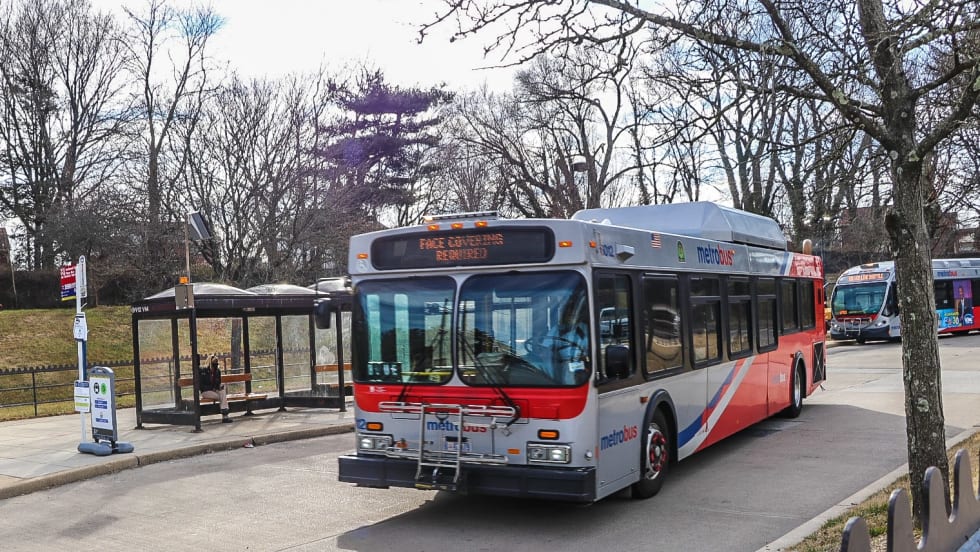
Report: Transit Bus Manufacturing Supports 34,100 Jobs, $5.1B in GDP
The “Buses Mean Business” report examines the transit bus manufacturing industry’s economic footprint, supply chain, and rising demand for vehicle replacements.
Read More →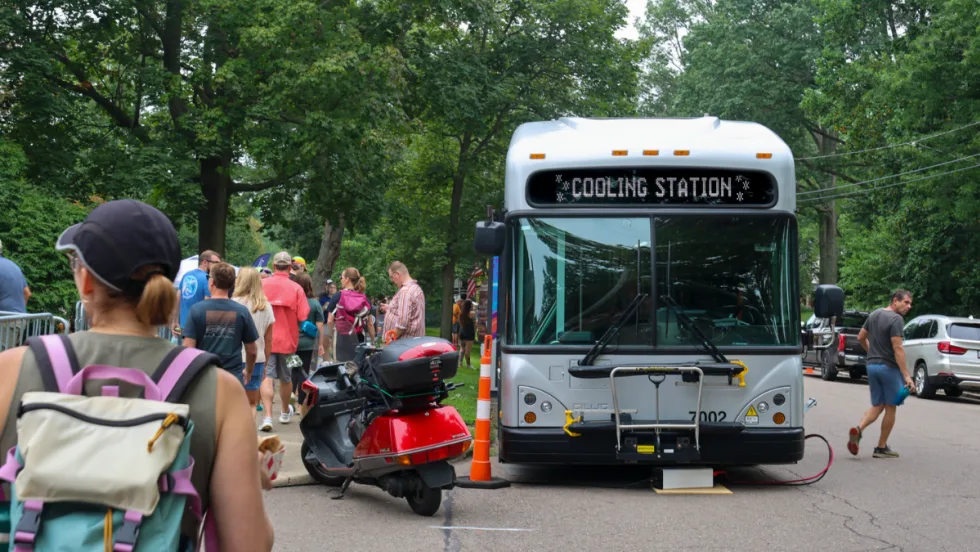
Ohio’s METRO RTA Turns Electric Buses into Mobile Power Sources at PorchROKR
See how three Gillig battery-electric buses powered festival stages while the agency’s new Park & Ride service carried approximately 1,000 attendees, demonstrating another potential use for transit agencies’ electric fleets.
Read More →
CALSTART and Forth Combine to Form Catalyst Mobility
The new name represents a renewed vision for the nonprofit focused on advancing clean, equitable, and affordable transportation solutions that move people and goods.
Read More →
Building a Flexible Path to Transit Electrification
John Hroncich discusses BAE Systems’ modular and scalable approach, lessons learned from decades of real-world operations, and how agencies can identify electrification strategies that fit their fleets.
Read More →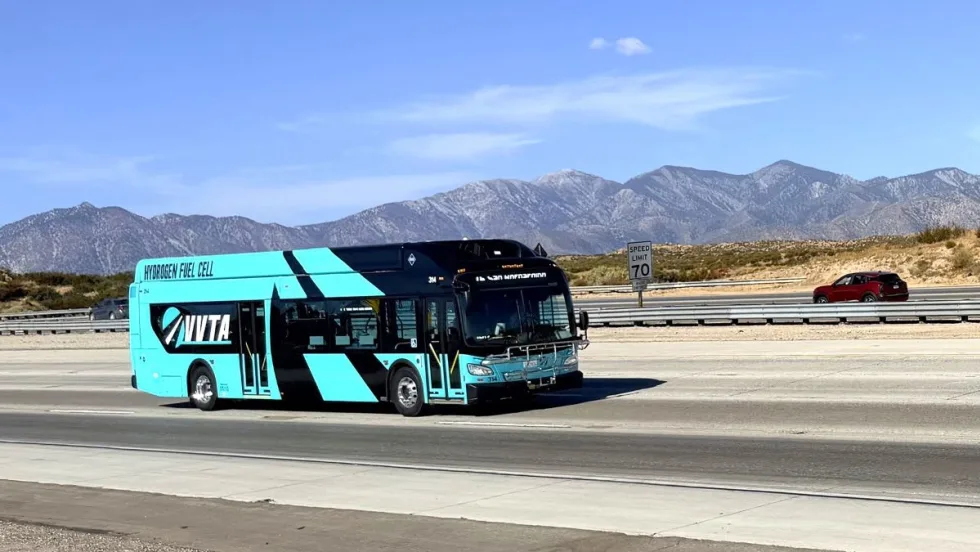
California's VVTA Begins Phased Rollout of Hydrogen Fuel Cell Buses
The agency is introducing 13 zero-emission buses into revenue service while evaluating performance across its urban, rural, and long-distance routes.
Read More →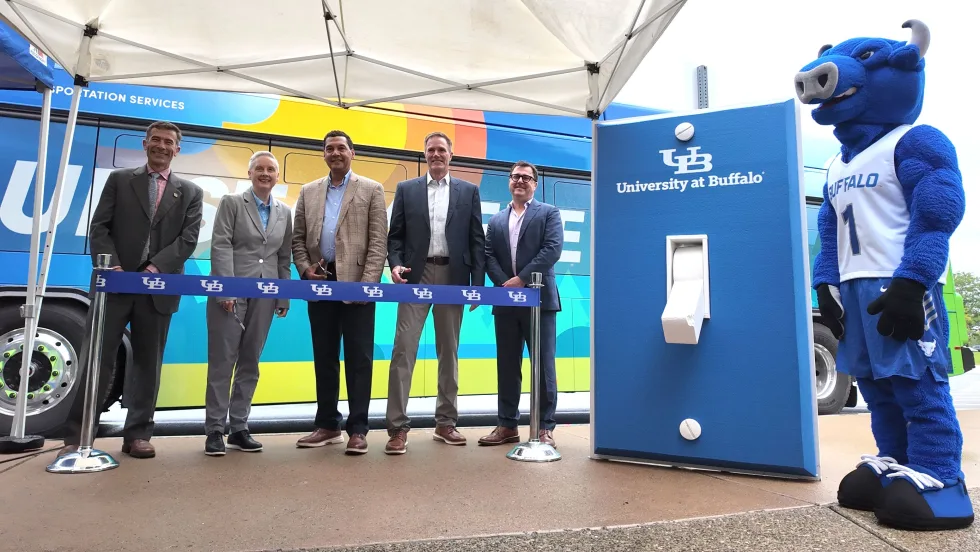
Inside Look: University at Buffalo Puts First 8 Electric Buses Into Stampede Service
UB, transportation solutions provider WeDriveU, and fleet electrification specialist Zenobē marked the deployment in the presence of students, university administrators, and local officials.
Read More →