Here are some steps you can take to help determine which propulsion type is ideal for your fleet.
by Graham Christie and Patrick Allen, HNTB Corporation
April 7, 2022
There are approximately 650 electric buses (total 2,255 zero-emission buses) running in the U.S., and the demand is exceeding production.
Photo: STA
5 min to read
As transit owners evaluate ways to gain greater efficiencies in their operations, many are exploring alternatives to how they power their vehicles. Alternative vehicle power opens opportunities for enhanced environmental stewardship and increased infill service, as well as increased funding support through ongoing federal initiatives focused on advancing climate and environmental justice.
Electric-powered vehicles remain cost-effective
There are approximately 650 electric buses (total 2,255 zero-emission buses) running in the U.S., and the demand is exceeding production. Nearly every state has a transit agency that currently owns or is planning to add electric buses to its fleet.
Ad Loading...
Subway and commuter rail systems have used third-rail electrification successfully for decades. Streetcars and light rail systems are commonly powered by overhead catenary systems. In fact, high-speed rail owners prefer the overhead catenary system for its dependability and ability to maximize propulsion. Electrification is a cost-effective way to power a fleet despite sizeable operations and maintenance costs, and it will remain so for decades to come.
Battery power for short alignments or range extenders
Battery power is a proven application in light rail vehicles. Batteries continue to enable electrified and hydrogen vehicles operational flexibility in short-range segments.
For the foreseeable future, batteries will perform best:
On shorter alignments with dedicated right of way.
As range extenders for electric vehicles.
For powering infill service on commuter rail systems.
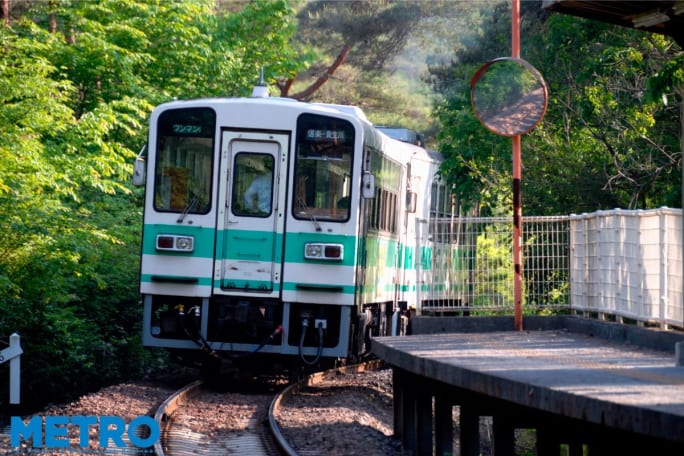
Diesel also is enjoying a newfound application in Diesel Multiple Units.
Photo: Canva
Diesel’s newest application: DMUs
Cleaner burning diesel fuels remain a viable option for commuter rail owners who have an immediate need for new locomotives.
Ad Loading...
Diesel also is enjoying a newfound application in Diesel Multiple Units. Smaller and lighter, these vehicles use less energy and offer the opportunity to provide infill service on commuter rail lines. San Diego County’s North County Transit District has been successfully operating diesel multiple units on its 21-mile system for some time now.
Hydrogen
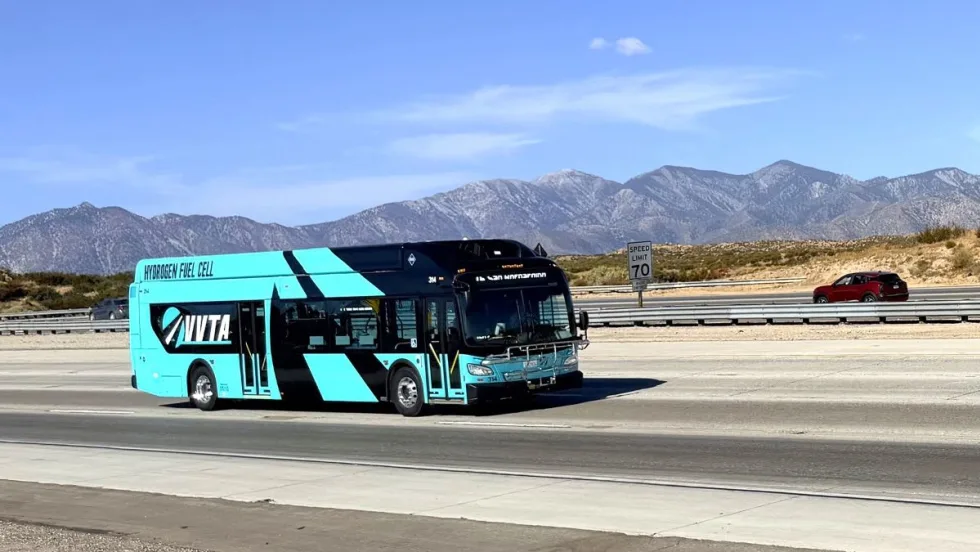
When hydrogen powers a locomotive, it produces zero harmful emissions, but some methods of hydrogen production create carbon monoxide and carbon dioxide, both greenhouse gases. Lowering the cost of production via net-zero carbon pathways is a major goal of the U.S. Department of Energy.
The DOE’s Hydrogen and Fuel Cell Technologies Office supports reducing the cost of clean hydrogen by 80% to $1 per kilogram in one decade.
Production costs and byproducts aside, owners also may want to consider other factors, such as:
Logistics. Access, storage, and distribution can be challenging.
Range. Hydrogen enables locomotives to travel at a diesel-equivalent range, which is much longer than batteries alone. Hydrogen fuel cells convert hydrogen to electricity, which is stored in the battery to extend its range. Typically mounted on the roof, hydrogen tanks provide sufficient fuel to operate the train set for hundreds of miles.
Ad Loading...
The good news is options exist and so it comes down to what is right for each agency now and in the future.
There is a tremendous amount of information to gather and process when considering alternative vehicle power.
Photo: Canva
Finding A Point of Entry
How does an agency enter this new space? Is proven, cost-effective electrification the best route? Should you wait for battery or hydrogen fuel-cell technology to mature? Or, given the infancy of some technologies, would it be less risky to procure cleaner-burning diesel engines to replenish aging inventory?
The following steps can help decision-makers assess which course of action is best:
1. Conduct an inventory assessment. Knowing a fleet’s age and the number of years an agency can extend service life with proper maintenance will begin to clarify how long the agency can wait for alternative technologies to mature.
2. Perform a cost-benefit analysis – and factor in the soft costs. Capital costs and long-term operating and maintenance expenses are critical to making a sound decision. But today’s cost-benefit analysis also must factor in environmental impact and social equity. Considering those soft costs in the equation is increasingly important. Although the numbers may show converting to an all-electric fleet would be cost-prohibitive, for example, soft costs may warrant it.
Ad Loading...
3. Set a goal and start planning now. Goals to electrify a fleet by 2050 or produce zero emissions by 2040 are admirable but unrealistic unless they are backed by an aggressive, forward-thinking implementation plan. To be successful, owners may want to consider decommissioning revenue service diesel locomotives early.
The California Air Resources Board realized retiring perfectly good rolling stock doesn’t pencil out without financial incentive.
So, CARB is funding agencies to retire their fossil fuel-powered locomotives. The idea being agencies can’t reach these lofty goals by themselves. It may require a team of local, state, and federal agencies; incentives; and/or programs to help make them happen.
We also will not see agencies doing wholesale swap-outs of existing assets. Instead, a likelier strategy is incremental adoption, resulting in a mixed fleet of fossil fuel-, battery- and hydrogen-powered vehicles. Managing a mixed fleet won’t be easy, but it is more realistic.
4. Begin a Pilot. A robust pilot program can help determine the type of alternative power, if any, to approve, but instituting such a program is a heavy lift for public agencies. Researching alternative vehicle power is new territory best navigated with the assistance of an experienced consultant.
Ad Loading...
The bottom line
There is a tremendous amount of information to gather and process when considering alternative vehicle power.
For transit and commuter rail agencies considering emissions-friendly or zero-emissions vehicles, there is no clear winner — and there won’t be. The path forward will depend on each agency’s specific goals and circumstances.
What is best for one system may not be right for another. But one thing is certain, alternative vehicle power is coming to the U.S. market, and with it comes a host of new opportunities for greener, more efficient transit systems.
About the Author: Patrick Allen is Program Manager, Emerging Technologies; and Graham Christie is Southern California Rail Leader at HNTB Corp.
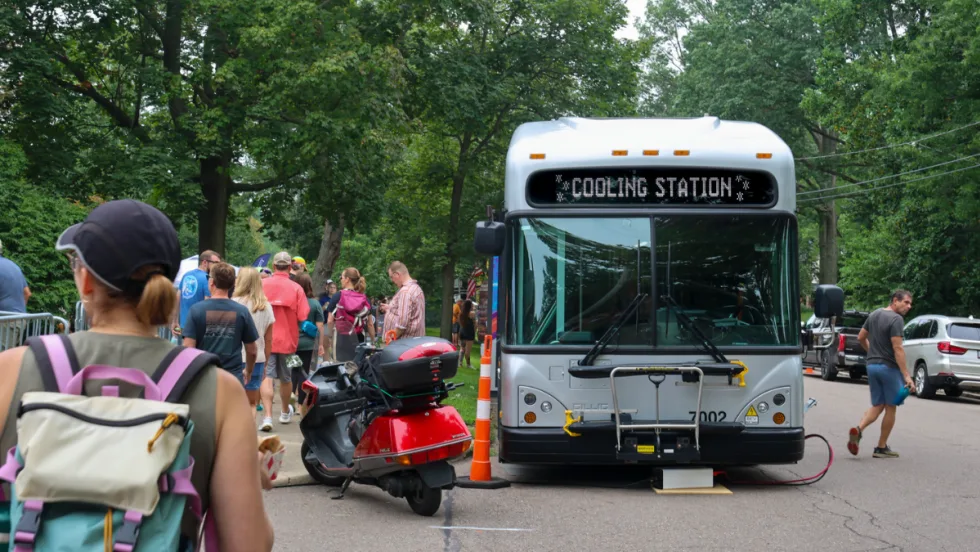
See how three Gillig battery-electric buses powered festival stages while the agency’s new Park & Ride service carried approximately 1,000 attendees, demonstrating another potential use for transit agencies’ electric fleets.
The new name represents a renewed vision for the nonprofit focused on advancing clean, equitable, and affordable transportation solutions that move people and goods.
John Hroncich discusses BAE Systems’ modular and scalable approach, lessons learned from decades of real-world operations, and how agencies can identify electrification strategies that fit their fleets.
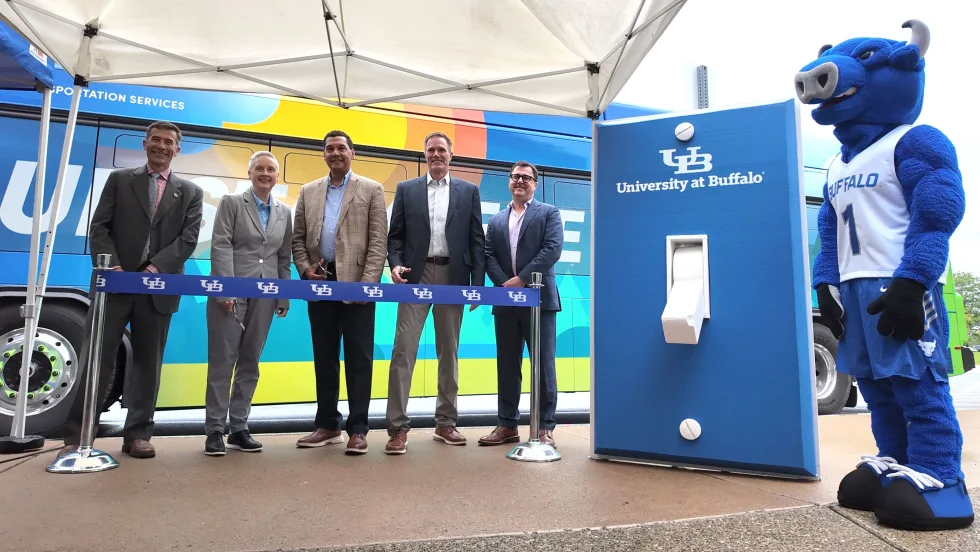
UB, transportation solutions provider WeDriveU, and fleet electrification specialist Zenobē marked the deployment in the presence of students, university administrators, and local officials.
From manufacturers and suppliers to transit agencies and motorcoach operators, these updates offer a snapshot of the projects, partnerships and business moves driving the industry forward.
The agency’s maintenance chief discusses leadership, workforce development, zero-emission technology, and preparing technicians for the future of public transportation.
The firm will work with CTDOT and RVT to define the facility layout, operational requirements, and long-term flexibility for RVT’s growing electric fleet.
The fast-charging infrastructure will help extend electric bus range, improve fleet utilization, and support DASH's goal of transitioning to a fully zero-emission fleet.