
Metro Magazine

 MENU
MENU SEARCHMENUSEARCH
Loading data...

Monthly Transit Savings Report examines how an individual in a two-person household can save money by taking public transportation and living with one less car.
Read More →
Commuters from the new Wickford Junction station, a $24.5 million multimodal facility consisting of a single-side commuter rail platform on a restored siding track, can now reach Providence in 35 minutes and Boston in less than two hours.
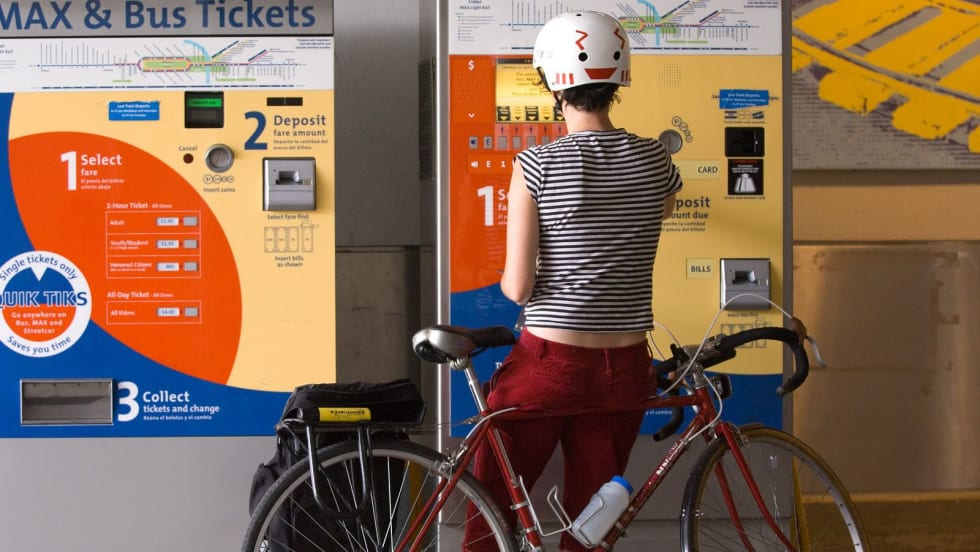
Read More →Combines transit, biking and walking in a single itinerary, customizes routes by travel mode and options such as quickest, flattest and most bike-friendly, and shows car-share locations.
Read More →The university and Capital Area Transportation Authority and the city of East Lansing will use a $6.28 million grant to renovate the East Lansing Amtrak Station.
Read More →The Historic Millwork District multimodal improvement project provides more transportation options and reconstructed the street networks to better serve a broad range of users, including drivers, public transportation, pedestrians, bicyclists, seniors, children and people with disabilities.
Read More →Big public universities are increasingly embracing cycling as a way to minimize the presence of cars, however, the university is on a hill, and the climate features snowy winters and blistering summers.
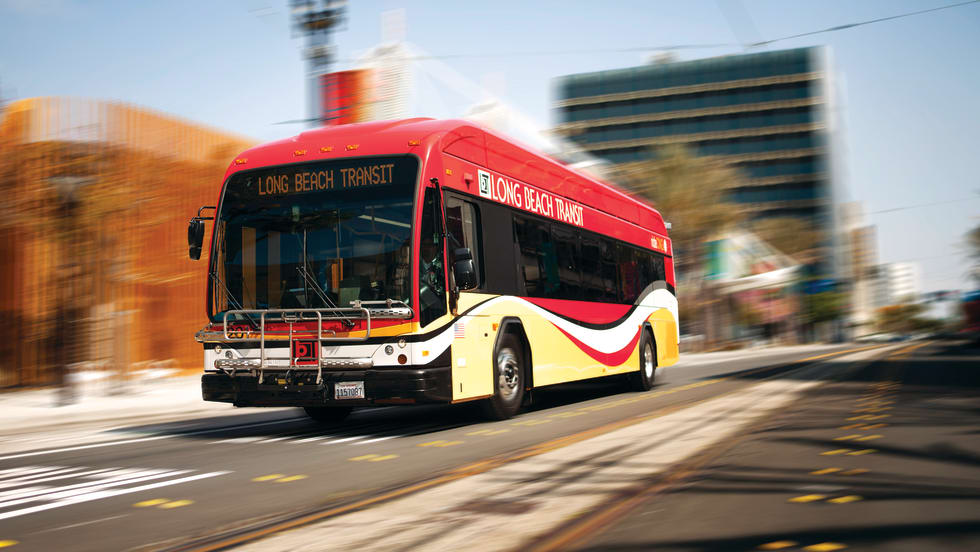
Read More →Adding CNG vehicles to its diverse fleet, building a fueling facility and refurbishing its maintenance garage are some of the projects the system has on its plate.
Read More →Combines transit, biking and walking in one itinerary, making it easier for customers to plan their trips, and reduces travel time compared with single-mode trip planners. Customers can also plan their trips according to their preference for safest route, quickest route or flattest elevation.
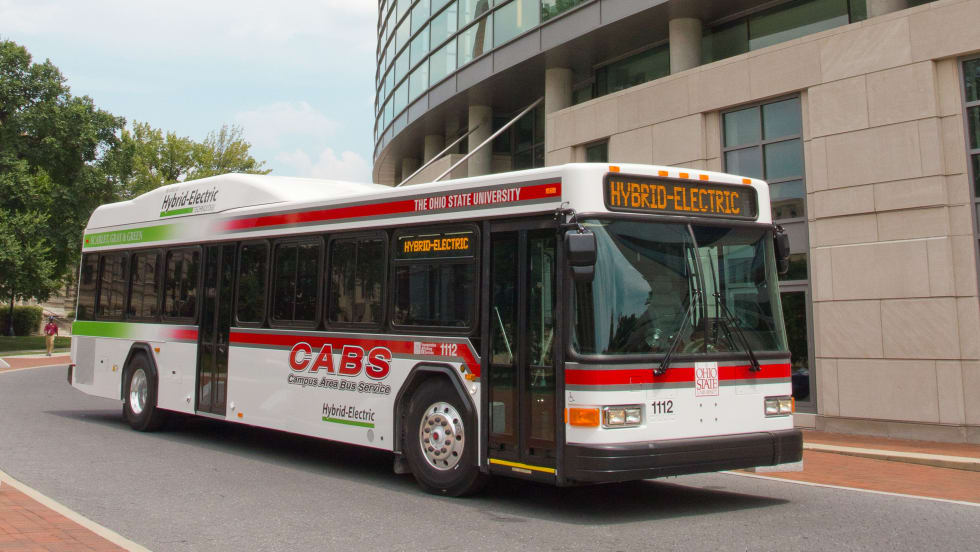
Read More →CABS is just one way OSU is promoting a switch to a more environmentally-friendly, multimodal approach to transit to help reduce fuel consumption, carbon emissions and traffic congestion on campus.
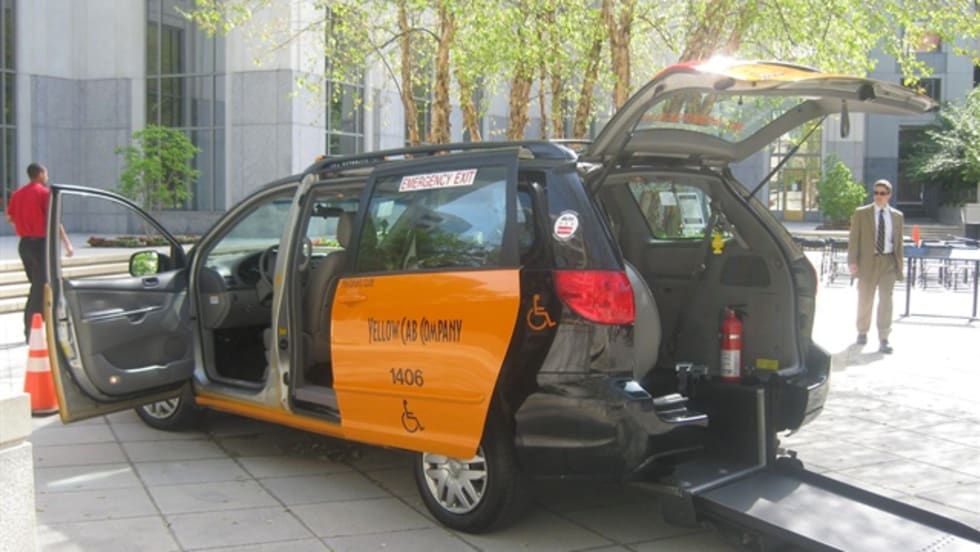
Read More →Each of the 20 vans operated by Royal Cab and Yellow Cab of D.C. features a special back-door ramp and hooks to secure a wheelchair or electric scooter.
Read More →