
Metro Magazine

 MENU
MENU SEARCHMENUSEARCH
Loading data...
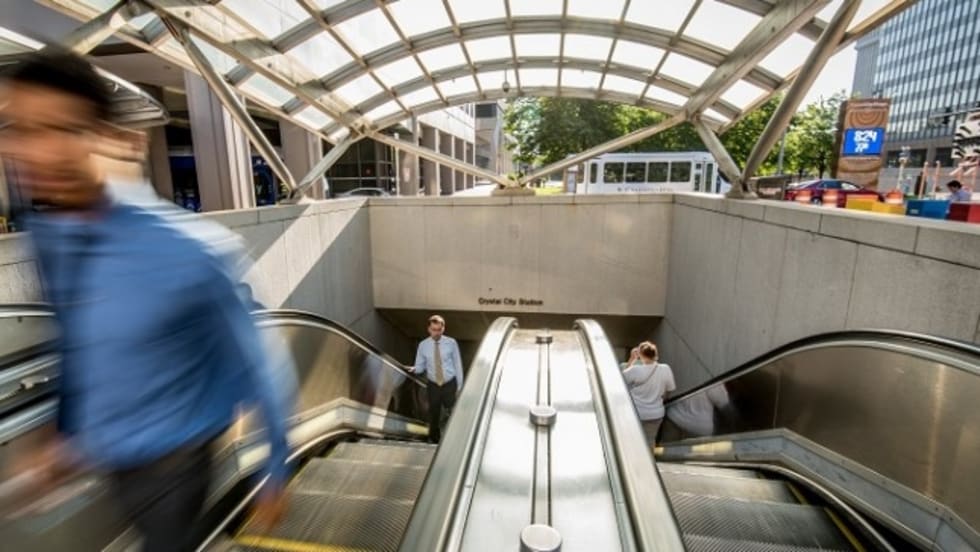
Transportation should be viewed like a smartphone. It should allow everyone to be connected to opportunities throughout the rest of society, at reasonable and low cost. And a ride-hailing partnership with transit is a crucial example of how local governments can catch up and be responsive in a fast-moving world of technology-driven transportation options.
Read More →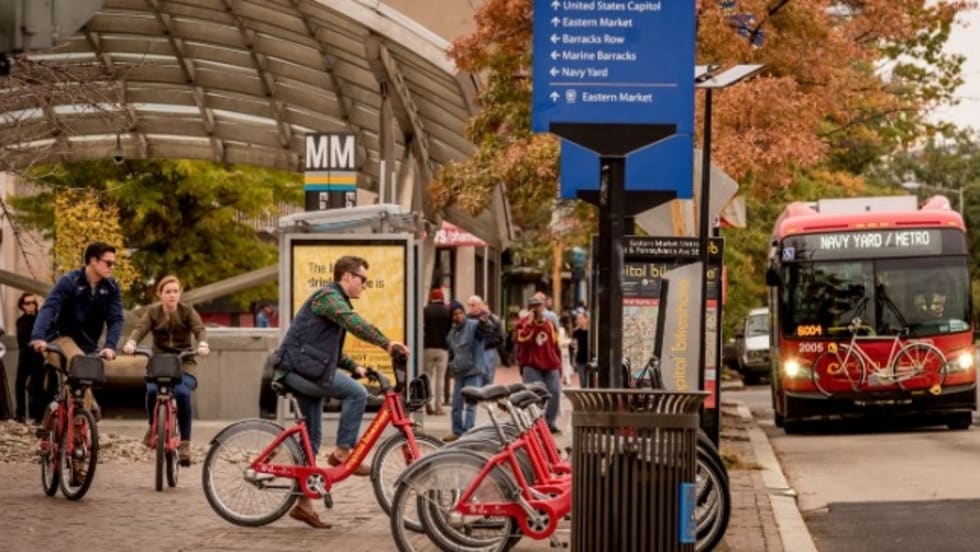
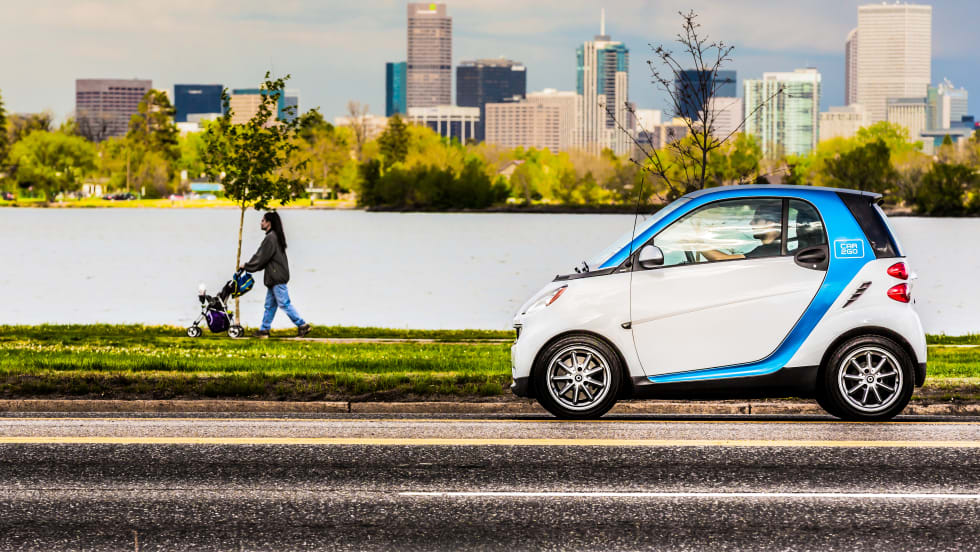
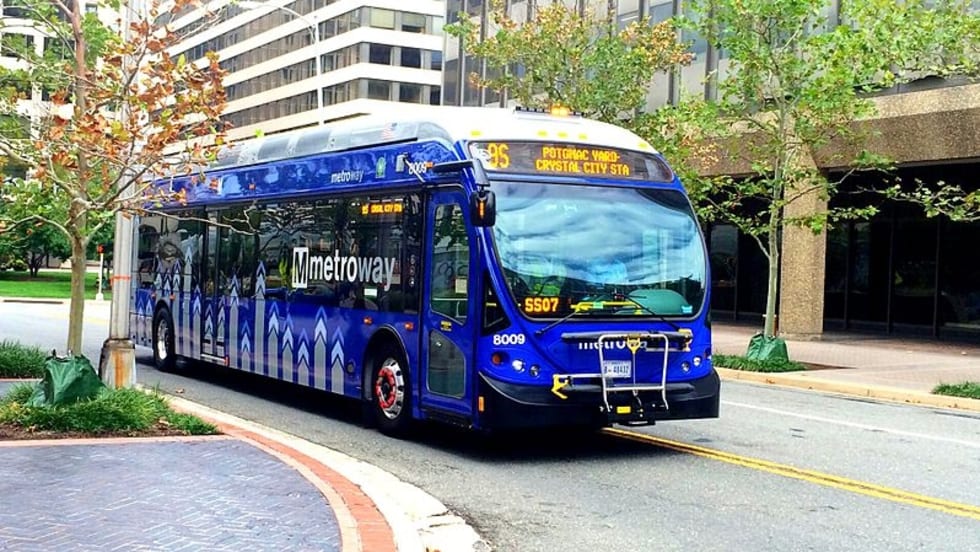

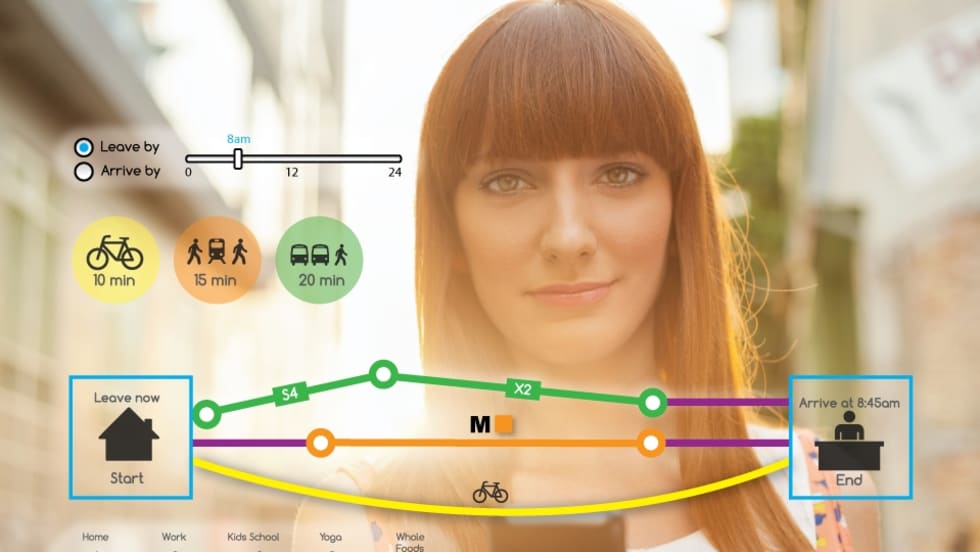
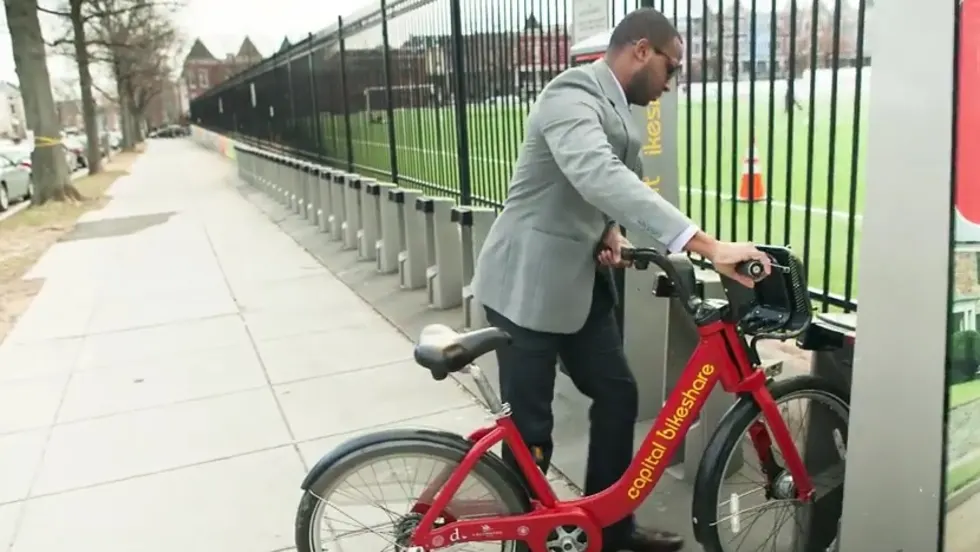
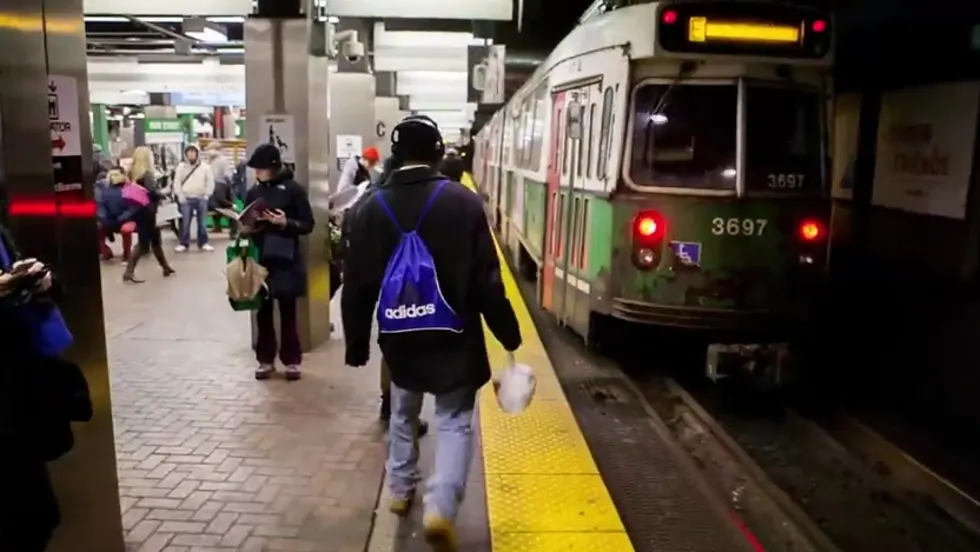
Smartphone owners feel connected much of the time, for better or worse. But shouldn’t that be the goal for physical movement as well, to be literally that connected — with a transportation system that could take one anywhere at any time? That’s a big ask. But what’s exciting is how realistic the vision is for cities that dramatically alter outdated transportation planning.
Read More →The recent rise of “mobility on demand” services like Uber and Zipcar has shifted society’s understanding of transportation systems and how they operate. Governments, advocates, and communities are responding by experimenting with their relationships to these services to ensure that on-demand options work with transportation networks to benefit public mobility.
Read More →With the transportation landscape evolving quickly in recent years — new mobility options and growing support for transit and bicycling — decision-makers face greater opportunity and unpredictability in how they can utilize and react to such options.
Read More →...as a transportation planner who has worked on bus rapid transit-style systems in the greater Washington region, I’ve noticed a disconnect in the public’s expectations versus the reality of the systems they’re getting. It got me wondering: do people have an accurate picture of what BRT means or the benefits the systems provide? During public-planning sessions, I’ve heard a lot of feedback on BRT. The gist is, “That’s really nice that the bus is a different color and the station platform is fancy, but I just want it to be on time.”
Read More →Mobility Lab spoke with industry leaders about transportation demand management, or TDM, and why it's a successful transit system.By providing access to more efficient modes of transportation, agencies can limit the disruption caused by closures or events.
Read More →CarFreeAtoZ plans trips in a manner similar to Google Maps or Mapquest, but it combines different transit options, such as walking, using the Metro and biking.
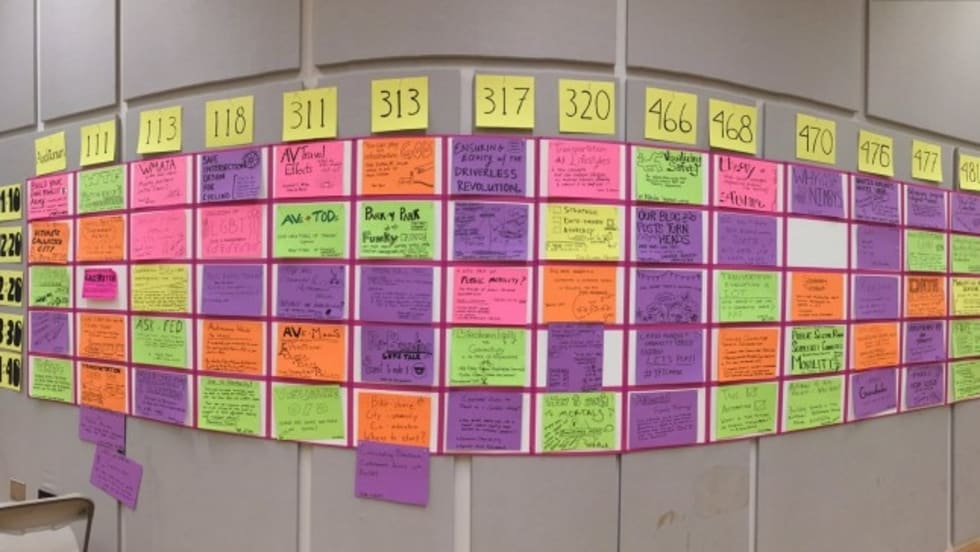
Read More →Mobility Lab interviewed some of the biggest thinkers in transportation and urbanism at TransportationCamp 2015 to discuss how big trends take hold, and how people and leaders can make big things happen.
Read More →Mobility Lab interviewed some of the biggest thinkers in transportation and urbanism at TransportationCamp 2015 to discuss which exciting trends need to happen and which ones are likely to happen this year and beyond. Go to mobilitylab.org for more info and to take action.
Read More →To be sure, there is no substitute for offering high-quality bus or rail transit service, but many transit agencies skimp when it comes to marketing, outreach, and education and, as a result, the public often has no idea how good the service may actually be. Buses also have an image problem in many communities, which proper marketing could help address. Witness the huge sums spent by automakers in crafting the image of their automobiles.
Read More →