



Infrastructure Money Tight? Do Better Bus Marketing
To be sure, there is no substitute for offering high-quality bus or rail transit service, but many transit agencies skimp when it comes to marketing, outreach, and education and, as a result, the public often has no idea how good the service may actually be. Buses also have an image problem in many communities, which proper marketing could help address. Witness the huge sums spent by automakers in crafting the image of their automobiles.

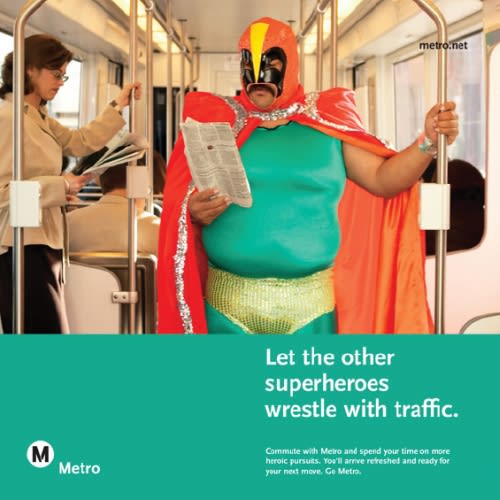
Los Angeles has done a great job of using creative marketing to get people excited about riding its transit s - See more at: http://mobilitylab.org/2015/03/06/infrastructure-money-tight-do-better-bus-marketing/#sthash.DTwXmaks.dpuf
Los Angeles has done a great job of using creative marketing to get people excited about riding its transit system. Photo courtesy L.A. Metro
Los Angeles has done a great job of using creative marketing to get people excited about riding its transit s - See more at: http://mobilitylab.org/2015/03/06/infrastructure-money-tight-do-better-bus-marketing/#sthash.DTwXmaks.dpuf
Los Angeles has done a great job of using creative marketing to get people excited about riding its transit system. Photo courtesy L.A. Metro
(This story by Chris Hamilton, chief of Arlington County Commuter Services in Arlington, Va., was original published by Mobility Lab.)
If cities want to reduce the need for expensive infrastructure improvements, they should brand and market their buses better, according toNew York Times conservative commentator Josh Barro.
Citing a 2009 report from the Federal Transit Administration, he notes there is evidence to believe that transit agencies could attract more discretionary or choice riders if they “spruce up the buses and tell riders they’re faster than they think.”
This resonates with our experience in Arlington, Virginia, and in other progressive communities around the country.
To be sure, there is no substitute for offering high-quality bus or rail transit service, but many transit agencies skimp when it comes to marketing, outreach, and education and, as a result, the public often has no idea how good the service may actually be. Buses also have an image problem in many communities, which proper marketing could help address. Witness the huge sums spent by automakers in crafting the image of their automobiles.
Our experience in Arlington shows that transit agencies could indeed gain ridership if they did a better job on marketing basics, we call it “Making It Easy,” including:
Branding buses better,
Spending time to do good marketing and sales,
Putting information at the stops, and
Providing great real-time apps and other information tools.
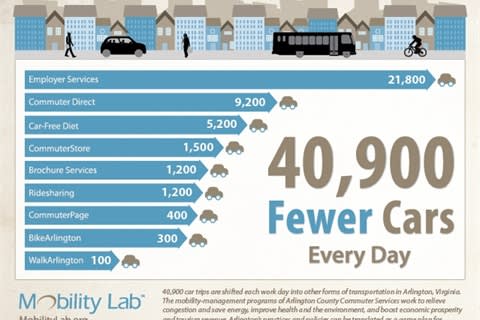
We should do these relatively inexpensive things first, to maximize the use of the existing system and possibly forestall having to invest large sums in additional infrastructure.
In Arlington, our Commuter Services bureau markets all modes of transportation through a variety of means. Our research shows this marketing causes a substantial lift in transit usage as well as a shift from driving to other modes. In concert with good development planning and transportation services, our efforts provide better mobility without more traffic, at a relatively insubstantial cost as compared to infrastructure.
Barro contends that we should spruce up buses and let consumers know they are faster than you think. This isn’t a bad start.
In Arlington we’ve worked on some other ideas as well.
We are developing a technology product called CarFreeAtoZ that will combat the car bias inherent in most current mapping software systems, and produce travel results more akin to real-world conditions across multiple modes.
We’ve had success marketing the Metrobus 38B as the “Orange Line with a view,” and our Car-Free Diet marketing platform emphasizes how letting someone else behind the wheel can alleviate stress, among other things.
We’ve worked on distinctive, colorful branding on our ART series of buses. (The same technique has been utilized on Washington D.C.’s successful Circulator buses.)
And last but not least, we’ve taken deliberate action in improving the customer service provided by bus drivers. Our most recent survey shows that we’re succeeding, not only in terms of customer satisfaction, but, significantly, in terms of the numbers of Millennials using the service.
Yes, we need to think deliberately about the way we market buses in this country. And we can’t skimp on these efforts. If conservative writers like Barro can get on board with this concept, that’s good news.
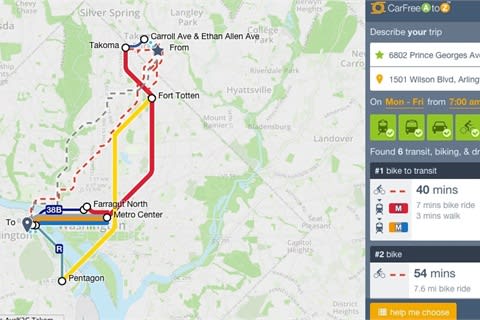
Screenshot of suggested routes on CarFreeAtoZ system.
Screenshot of suggested routes on the CarFreeAtoZ system. - See more at: http://mobilitylab.org/2015/03/06/infrastructure-money-tight-do-better-bus-marketing/#sthash.DTwXmaks.dpuf
More Blog Posts
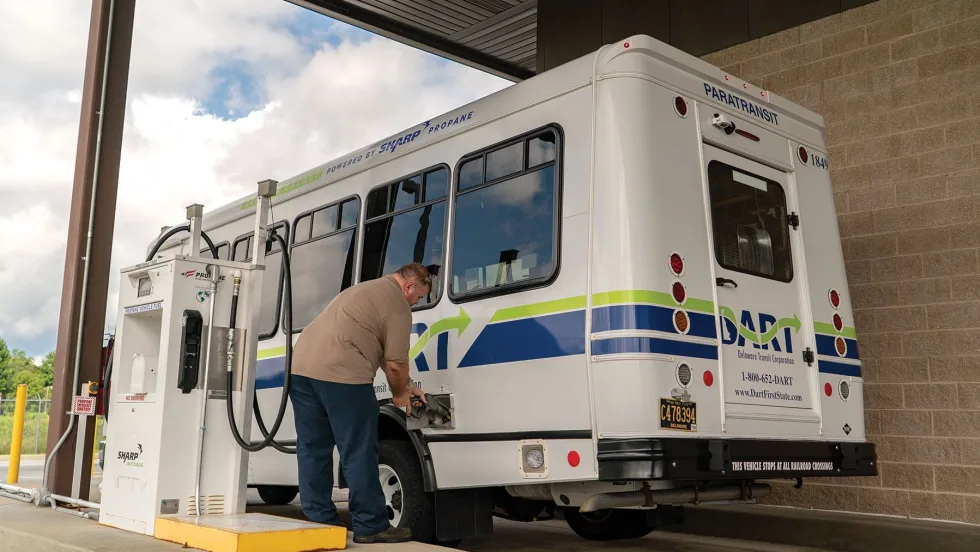
Building a Winning FTA Grant Proposal: Why Propane Autogas is the Pragmatic Choice for Fleet Resilience
With $610 million available through the FY 2026 Buses and Bus Facilities Competitive Program and the Low or No Emission Grant Program, agencies must build a compelling case before the September 21 deadline that balances environmental compliance with operational feasibility.
Read More →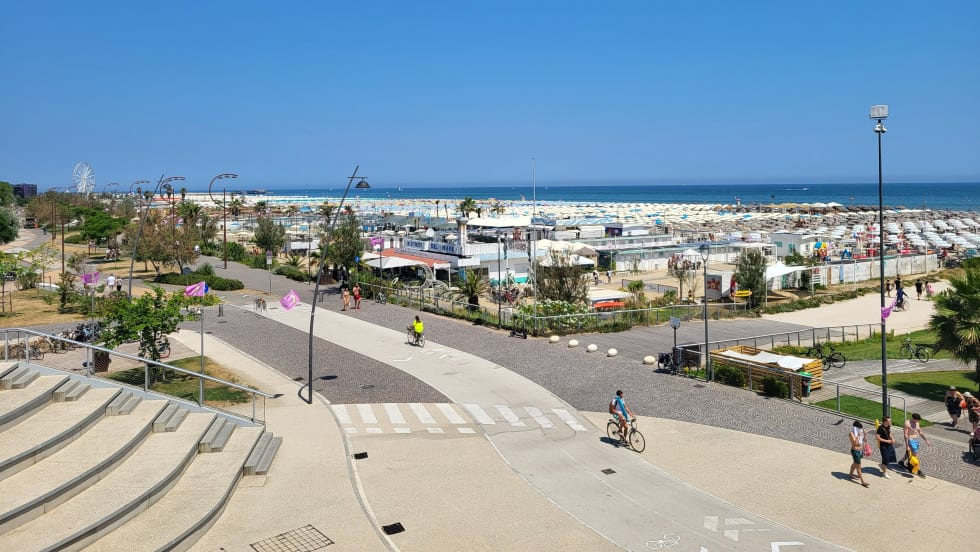
Velo-city Conference 2026: Latest Trends in Cycling as Part of Urban Mobility
The global cycling conference highlighted how cities are integrating bicycles into multimodal transportation networks, expanding cycle tourism and reshaping urban mobility.
Read More →
Kindness Isn’t Soft...It’s Strategic.
Mike Bismeyer — often known as “The Kindness Guy” — has spent more than 17 years in public transit and mobility, serving in industry leadership roles, speaking across North America, and advocating for stronger workplace cultures. But his message doesn’t come from theory. It comes from lived experience.
Read More →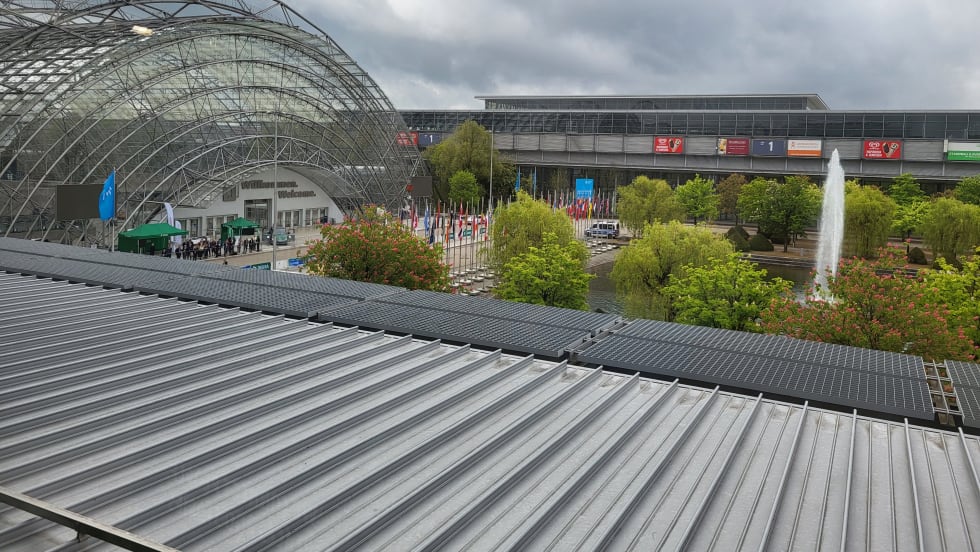
Inside ITF 2026: Transport Reacts to A Challenging World
Transport leaders from around the world gathered in Leipzig, Germany, for the 2026 International Transport Forum to discuss resilience, climate impacts, supply chains and the future of sustainable mobility.
Read More →
Every Ride Tells a Story — But You’re Not Just Selling the Ride
You’re selling the moment, the meaning, and the emotion behind it.
Read More →
How Digital Signage is Reshaping the Traveler Experience at Transportation Hubs
What was once a landscape of static signs has evolved into a responsive, immersive environment powered by real-time visual communication.
Read More →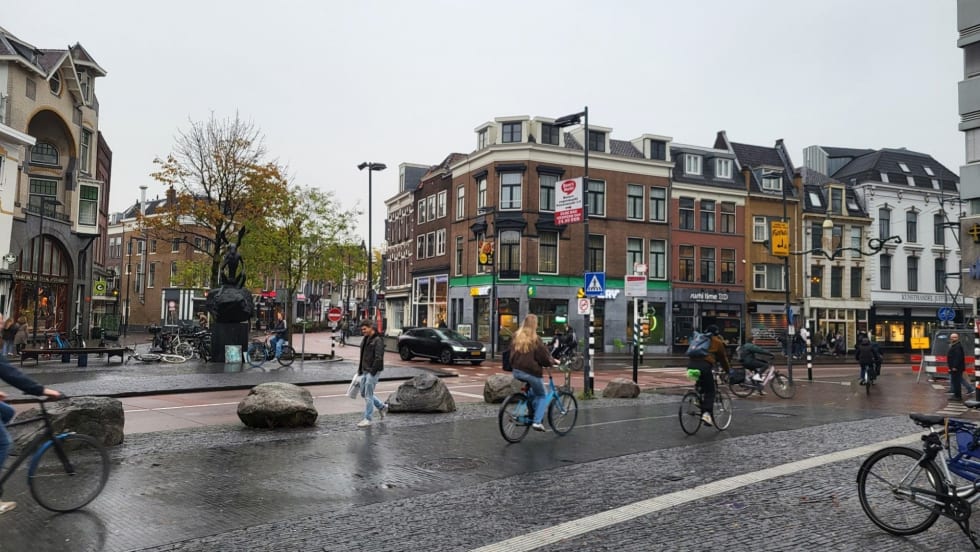
Latest Trends in Urban Mobility from Polis Conference 2025
Polis comprises cities and regions, as well as corporate partners, from across Europe, promoting the development and implementation of sustainable mobility. This year’s event had over a thousand attendees across various policy forums and an exhibition.
Read More →
Why Transit Leaders Require Better Tools for Operational Clarity In Today’s Tech-Fragmented Environment
Across North America and beyond, transit agency officials are contending with a perfect storm of operational headaches and strategic challenges that hamper daily service and long-term progress.
Read More →
The Powerless Brokers: Why California Can’t Build Transit
It is no secret that transit in the U.S. is slow and expensive to build.
Read More →
Why Transport Sustainability Should Focus on People Instead of Cars
Simply incentivizing electrification is not enough to make a meaningful impact; we must shift our focus toward prioritizing public transportation and infrastructure.
Read More →