
Metro Magazine

 MENU
MENU SEARCHMENUSEARCH
Loading data...
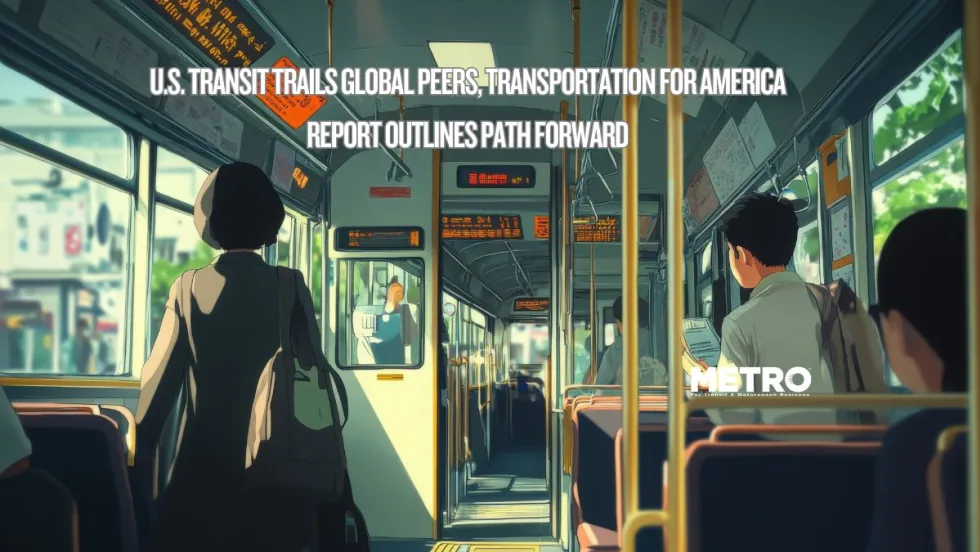
The analysis finds that a $4.6 trillion investment across all levels of government over 20 years ($230 billion per year) would be required to build, operate, and maintain a transit network that approaches the level of service within a cohort of 17 global cities with world-class transit systems.
Read More →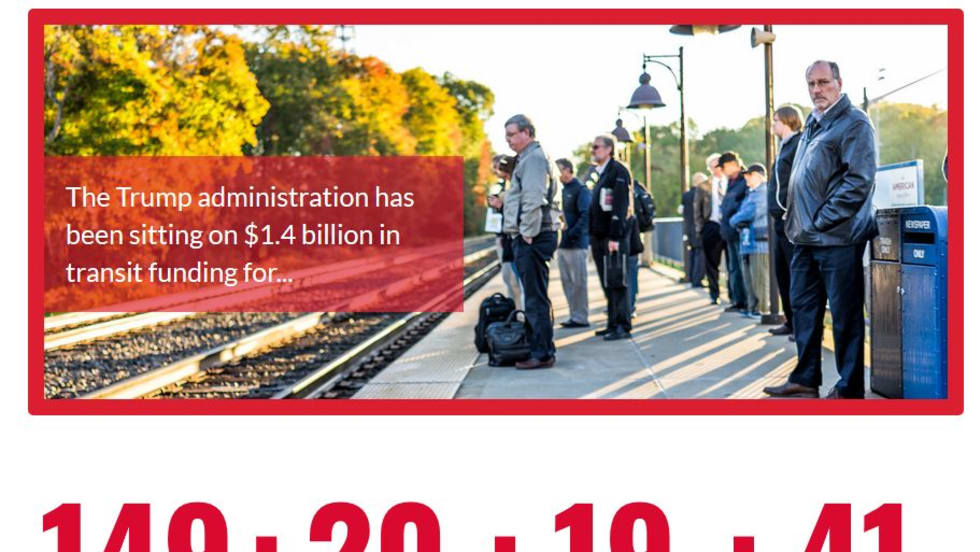


Authorities in these cities have been counting on federal dollars to move ahead with planning and construction.
Read More →The commitment makes New Flyer the first bus manufacturer in the world to sign on.
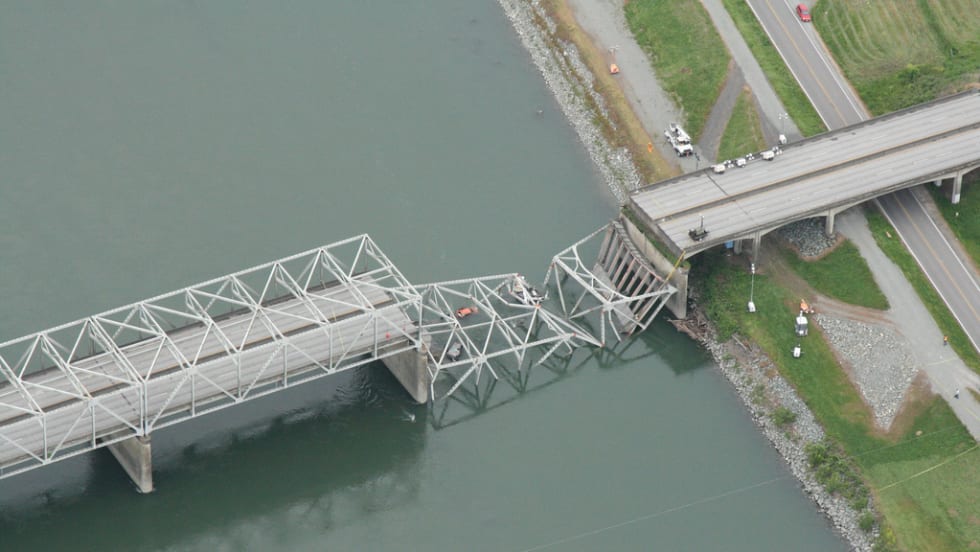
Read More →Nearly 8,000 bridges are both structurally deficient and “fracture critical,” meaning they are designed with no redundancy in their key structural components, so that if one fails the bridge could collapse.
Read More →In Los Angeles, for example, an average 396 drivers cross a deficient bridge every second, the study found. "The Fix We're In For: The State of Our Nation's Busiest Bridges," ranks 102 metro areas in three population categories based on the percentage of deficient bridges.
Read More →By 2015, more than 15.5 million Americans 65 and older will live in communities where public transportation service is poor or non-existent, a new study shows.
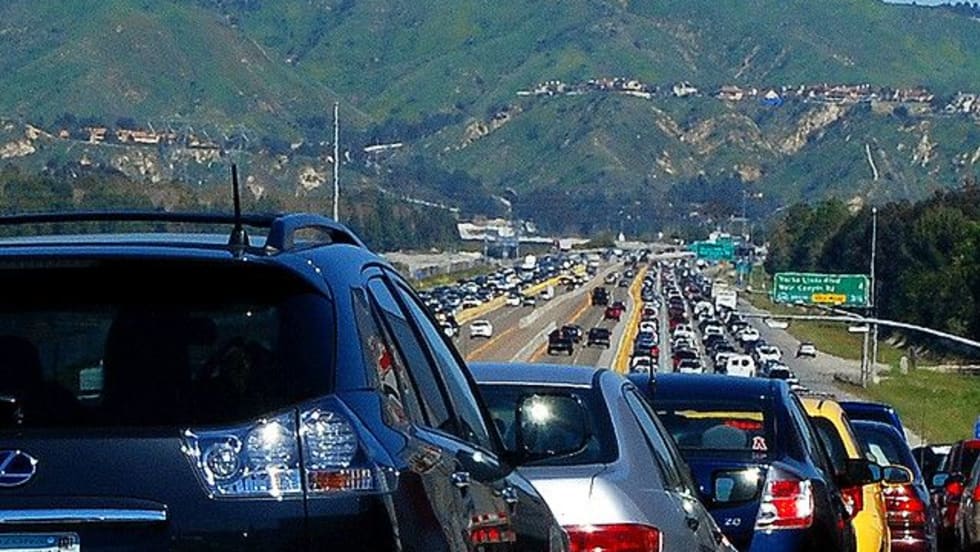
Read More →Three reports released this week show the detrimental effects traffic congestion, long commutes and even our roadways have on our health, safety and wallets. The results seem to underscore the need for more public transit, but will they have any impact?
Read More →The report, "Dangerous by Design 2011: Solving the Epidemic of Preventable Pedestrian Deaths," shows how roadway designs promoted by federal investment endanger people on foot.
Read More →Outlines seven tools that would significantly improve the nation’s transportation system by reducing future congestion, planning for the future, better utilizing existing capacity and increasing the safety of roads and bridges.
Read More →Key findings include a continued rise in congestion and commuter costs, and that public transportation saved travelers 785 million hours of delay, 640 million more gallons of fuel and $19 billion in congestion costs. APTA and T4 America leaders respond.
Read More →