



New Flyer signs onto Shared Mobility Principles for Livable Cities pact
The commitment makes New Flyer the first bus manufacturer in the world to sign on.


New Flyer Industries Canada ULC and New Flyer of America Inc., subsidiaries of New Flyer Industries Inc. (NFI Group), announced they have signed on to the Shared Mobility Principles for Livable Cities.
The commitment makes New Flyer the first bus manufacturer in the world to sign on.
The principles, launched in 2017, are designed to guide urban decision-makers and stakeholders toward the best mobility outcomes for all, and are supported by a founding coalition of eight global sustainability groups including C40 cities, Transportation for America, and the Shared-Use Mobility Center, and other signatories such as Uber, Lyft, Via, and ZipCar. The Shared Mobility Principles for Livable Cities include ten commitments to ensure sustainable, efficient, and collaborative mobility development on a global scale:
We plan our cities and their mobility together.
We prioritize people over vehicles.
We support the shared and efficient use of vehicles, lanes, curbs, and land.
We engage with stakeholders.
We promote equity.
We lead the transition towards a zero-emission future and renewable energy.
We support fair user fees across all modes.
We aim for public benefits via open data.
We work towards integration and seamless connectivity.
We support that autonomous vehicle in dense urban areas should be operated only in shared fleets.
A “livable” city is one that attracts citizens to live and work there, which includes efficient and connected multimodal solutions (Smart Mobility) to facilitate population growth and movement. This is why, in February 2018, New Flyer committed to leading collaboration, cooperation, and the technological advancement of Smart Mobility in North America; supporting development of Smart Cities through advanced transit solutions.
“As longtime innovators in transportation, it’s important that we continue building on our commitment to technological advancement,” said Wayne Joseph, president of the Transit Bus Business. “We are committing to advancing innovation in bus and coach technology in North America, and as we look ahead, part of this involves exploring multi-modal solutions for communities looking to become Smart Cities. And Smart Cities need Smart Mobility, so it makes sense for us to lead the industry with collaboration and advancement in this area.”
New Flyer will work with industry leaders, transit authorities, the American Public Transportation Association, and other service providers and manufacturers in the multimodal space, to further collaboration and development within the Smart Mobility space.
For information on Shared Mobility Principles, click here.
More New Mobility
Biz Briefs: OCTA Taps Clean Energy for Hydrogen Station, Stadler to Supply Via Rail Vehicles, and More
From manufacturers and suppliers to transit agencies and motorcoach operators, these updates offer a snapshot of the projects, partnerships and business moves driving the industry forward.
Read More →
CharterUP Expands Into New Mobility and Autonomous Transportation
Vice President of New Mobility Stephen Joos discusses how CharterUP is leveraging its nationwide transportation network, technology platform, and autonomous vehicle partnerships to expand into workforce mobility, campus shuttles, and transit solutions.
Read More →
METRO Magazine Announces 2026 Innovative Solutions Awards Winners
Projects Recognized for Advancing Mobility Through Technology, Accessibility, Workforce Innovation, and Operational Excellence
Read More →
Biz Briefs: STV teams with Amtrak, Motorcoach Operators Boost Fleet and Land Contracts, and More
From manufacturers and suppliers to transit agencies and motorcoach operators, these updates offer a snapshot of the projects, partnerships and business moves driving the industry forward.
Read More →
Biz Briefs: Masabi Teams with St. Louis Metro and More
In METRO's latest installment, we take a look at recent news from Transdev, Hitachi, and more partnerships making headlines across the transportation sector.
Read More →
Microtransit's Next Test: Becoming Part of the Network
Freebee shows how electric microtransit is moving beyond pilots to fill network gaps, connect riders to transit, and prove lasting value.
Read More →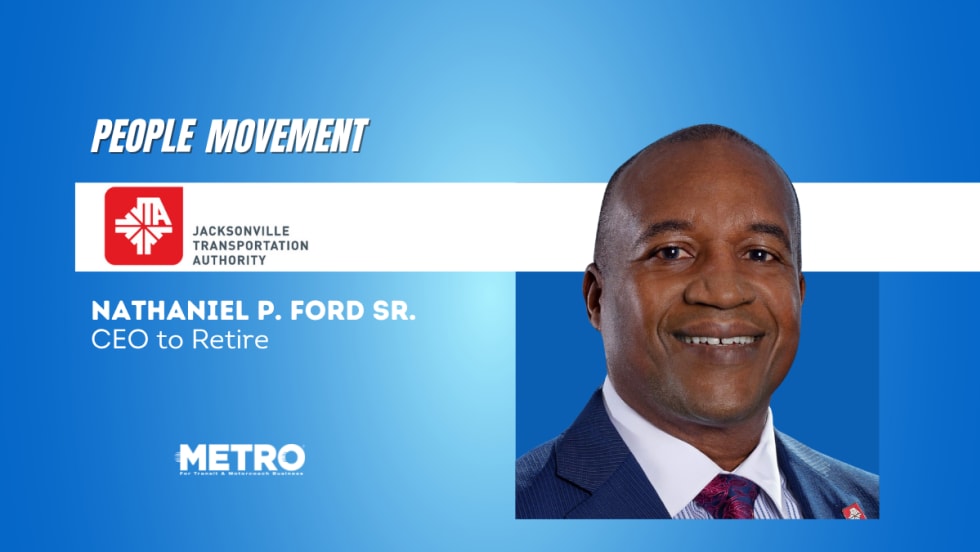
Ford to Leave JTA After More Than 10 Years as CEO
He plans to continue his work advancing innovative mobility solutions to improve the quality of life in communities across the nation. He did not announce specific plans.
Read More →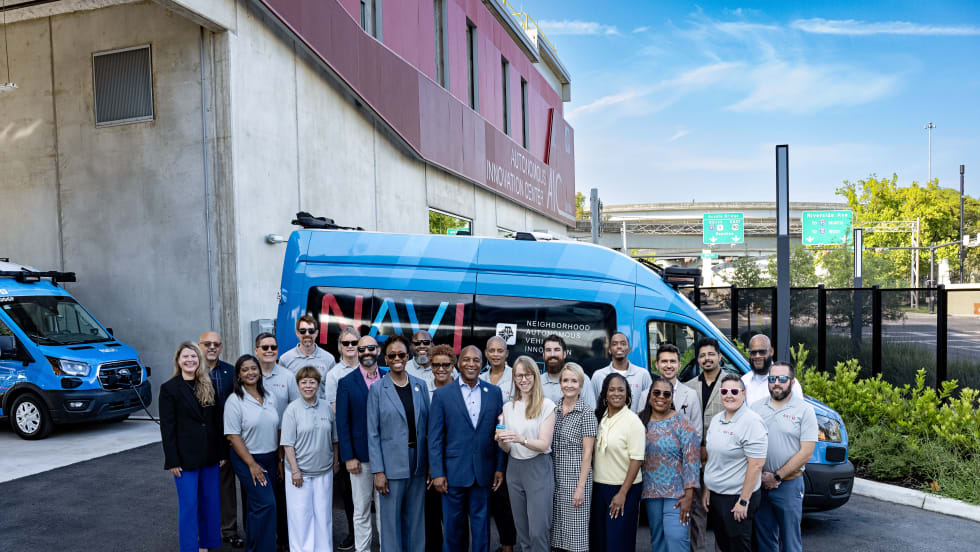
Florida's JTA Marks One Year NAVI Anniversary
During its first year of operation, NAVI has transported over 15,200 passengers and traveled more than 61,000 miles in autonomous mode without a safety incident caused by the autonomous driving system.
Read More →
SEPTA Board Approves FY2027 Budget Amid Funding Challenges
The spending plan represents an increase of just 1.9% over the current year and includes investments in new buses, additional full-length fare gates, and other customer enhancements.
Read More →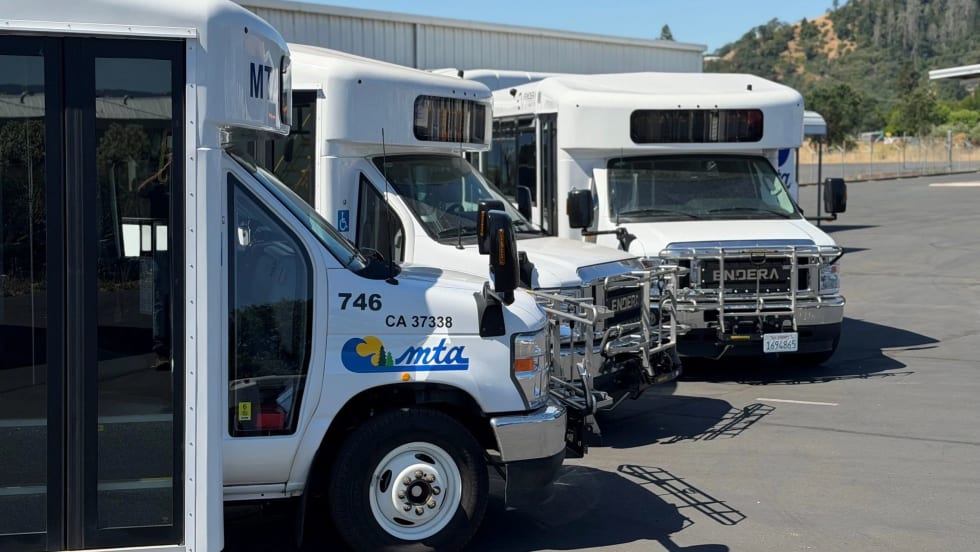
Biz Briefs: Endera Delivers to California, Safety Vision Teams with San Antonio's VIA, and More
From manufacturers and suppliers to transit agencies and motorcoach operators, these updates offer a snapshot of the projects, partnerships and business moves driving the industry forward.
Read More →