
Metro Magazine

 MENU
MENU SEARCHMENUSEARCH
Loading data...
Leveraging MEG’s comprehensive suite of power generation offerings, including generator sets and EPA-certified engines with capacities ranging from 330kW to 1000kW, alongside advanced microgrid and energy storage systems, the engines can operate on natural gas or propane.
Read More →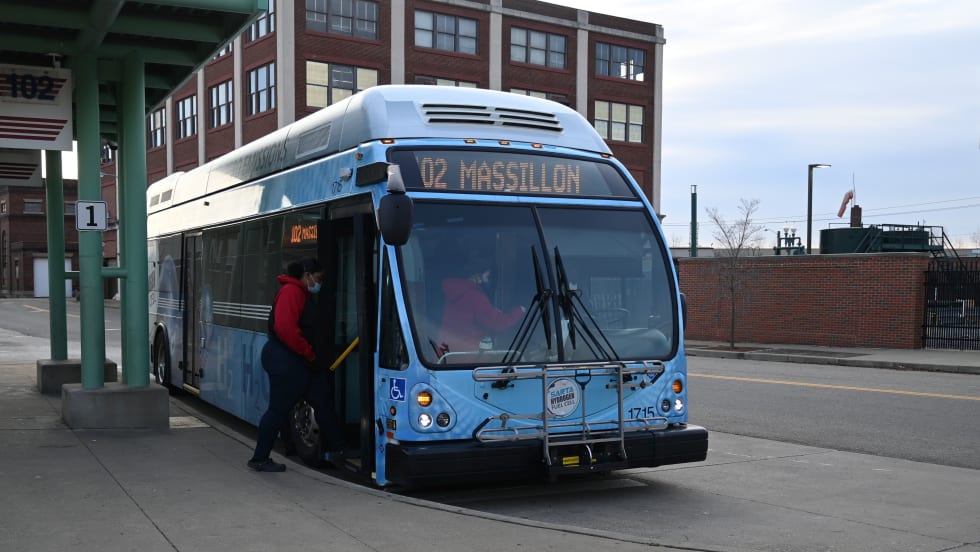
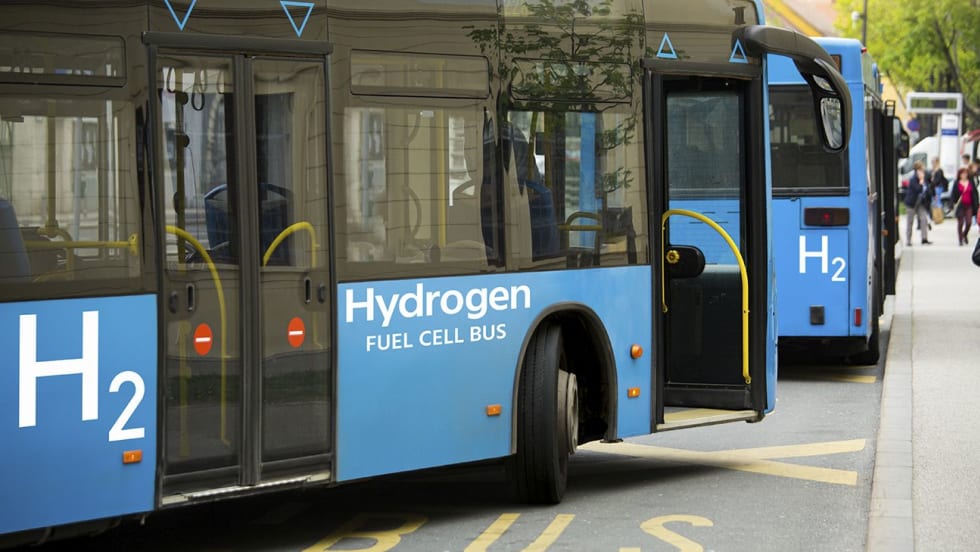


This article is designed to provide guidelines for fleet owners and manufacturers looking to make the switch to hydrogen.
Read More →As more transportation OEMs evaluate a move to hydrogen, knowing the keys to success and what to avoid is crucial. This article focuses on the critical considerations to help ensure your system is designed properly and stays leak-free.
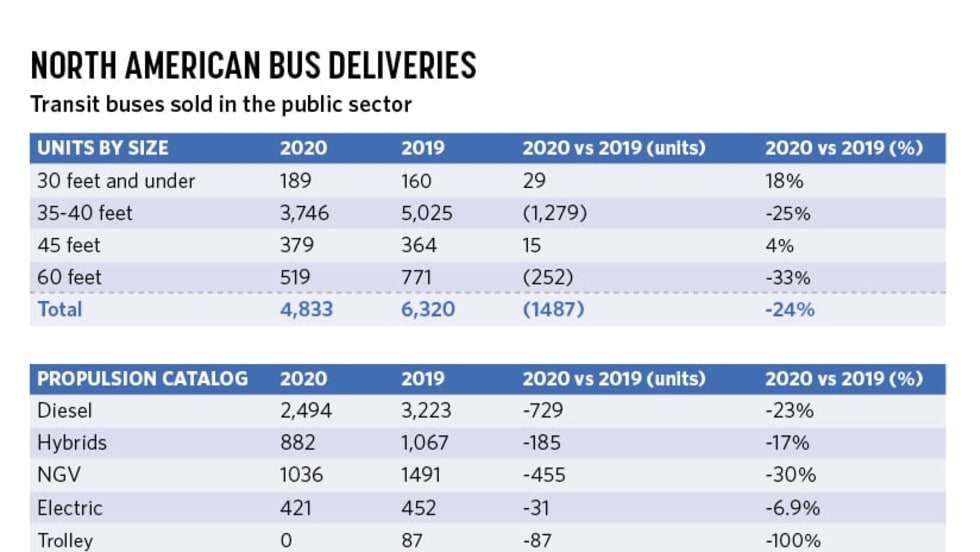
Read More →Overall deliveries of transit buses in the U.S. and Canada declined in 2020, shrinking from 6,320 units in 2019 to 4,833 units in 2020, according to numbers provided to METRO Magazine from participating suppliers.
Read More →Having reached 50 RNG sites in 2015, the organization set the goal to double the number of RNG production facilities in North America within 10 years.
Read More →The agency is continuing to balance paratransit and ridership challenges with a growing fleet of clean-fuel vehicles.
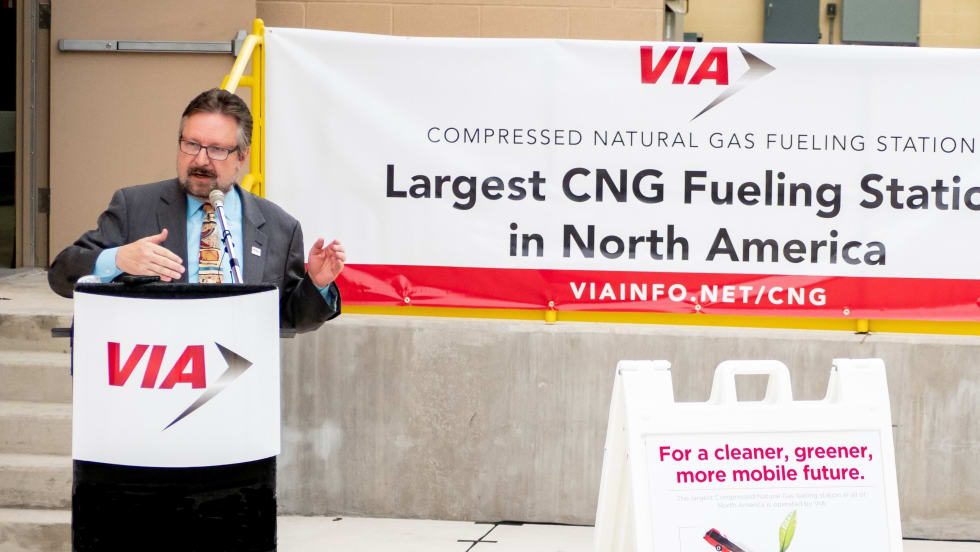
Read More →VIA’s full fleet conversion will be complete in 2025. More than one-half of VIA’s diesel revenue vehicles have been replaced with CNG buses to date.
Read More →The station, built as a partnership between the two entities, is used to fuel City of Columbus vehicles. It is also open to the public and companies with CNG fleets.
Read More →The city is beginning a multiyear plan to replace its fleet, while at the same time working through a community-based process to decide the scope and future of the bus program, which advocates say will run out of money in a little more than a year without new funding.
Read More →Buses fueled by natural gas would be the lowest-cost option for CityBus in a 15-year project that examined expenses of buying buses, maintaining them and keeping them fueled. The diesel-electric hybrid would be the costliest.
Read More →