



(Part II) What new tech, services are transit agencies implementing?
METRO asked some of the top execs in the nation what they are doing to improve their offerings for ridership.
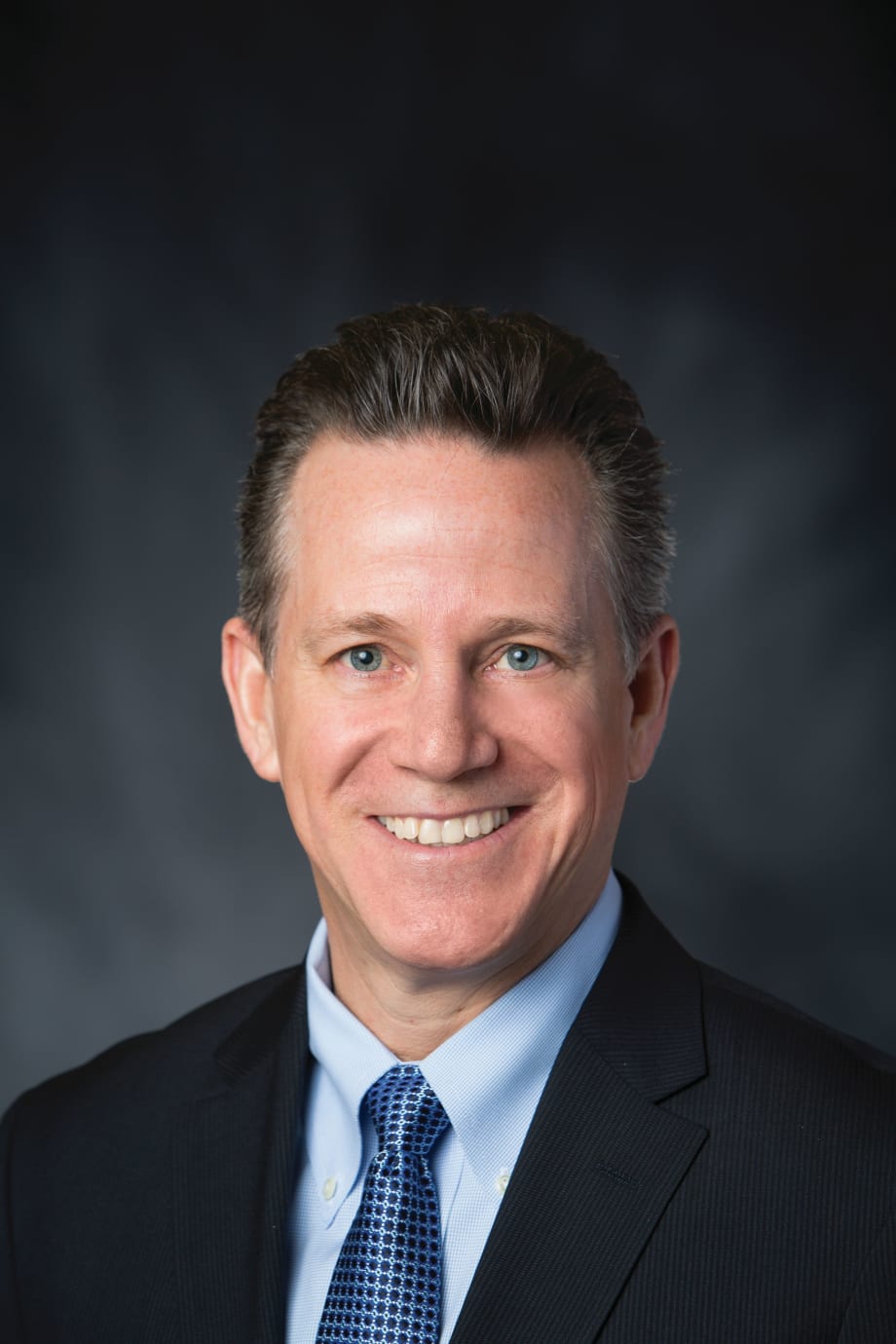
David A. Genova
Q: What new technology/service are you now offering/planning
to offer at your agency?

Vicki L. Shotland
Vicki L. Shotland, Executive Director
Greater Hartford Transit District
Hartford, Conn.
The Greater Hartford Transit District has been a Trapeze-licensed user for many years. Providing over 500,000 trips annually to our ADA paratransit riders has also created the need to advance the implementation of software that is available to us. The next step over this upcoming year will be to add EZ-Wallet, which is a Trapeze module that is designed to allow riders to prepay their fares, print usage reports, and examine historical transactions. The bottom line for us is that this component will allow the riders to travel without the need to have a fare ticket or cash. Many transit systems are already using this module, and we are excited to move in this direction for all of the anticipated benefits that EZ-Wallet brings.

Kevin Corbett
Kevin Corbett, Executive Director
New Jersey Transit
Newark, N.J.
Access Link, NJ TRANSIT’s paratransit system, recently introduced several upgrades. Access Link Online allows customers to make reservations online, monitor vehicle arrivals, cancel rides, and use the cashless electronic fare option, EZ-Wallet. Additionally, Access Link riders are enjoying a new interactive voice-response telephone system, which features enhanced-communication options for Access Link customers who do not have the use of a computer or the internet. And, a pilot program for our bus customers is underway with new validators, which scan barcodes on paper and mobile tickets and sets the stage for our future contactless fare program.

Bradley T. Funkhouser
Bradley T. Funkhouser, CEO
Capital Area Transportation Authority
Lansing, Mich.
CATA offers Transit App, with 22,000 unique users who, in the last month, generated 1.2 million sessions. Our online chat service improves customer access and satisfaction; and our high-tech bus shelters feature Wi-Fi, USB-charging, solar lighting, and real-time departure information. To improve accessibility and familiarize the community with CATA’s services, we created how-to-ride videos that are used to train both riders and employees; we implemented LookingBus, an app that connects operators and visually impaired riders; and for those on the autism spectrum, we offer 360-degree video surveillance of our three transit hubs, 40- and 60-foot buses, as well as a paratransit bus. Finally, we have converted three facilities to 100 percent renewable energy.

Henry Li
Henry Li, GM/CEO
Sacramento Regional Transit District
Sacramento, Calif.
We launched an on-demand microtransit service, called SmaRT Ride. The app-based service is similar to Uber Pool and allows riders to request a ride inside a specific geo-fenced area. The first service area went live in February 2018, and SacRT now has three service areas across the Sacramento region. Two more service areas will launch later this year, with an additional eight in early 2020. The app-based service, which allows a rider to track the SmaRT Ride shuttle and know how long their wait will be, is helping riders connect to fixed-route bus, light rail, or just get around their community more efficiently.

David A. Genova
David A. Genova, GM/CEO
Regional Transportation District
Denver
RTD continues to blaze the trail through successful collaborations with companies like Uber, Lyft, and Transit. We were the first in the world to enable riders to pay their transit fare through the Uber app; have expanded to the Transit app; and were the first to provide trip planning on Lyft. We completed an autonomous vehicle pilot program and plan to launch another pilot. Our goal is to enhance the customer experience with these and other initiatives.
More Management
People Movement: Dan Dipert Coaches Adds Third-Generation Leader, Keolis Names New Valley Metro VP/GM, and More
In this edition, we also cover recent appointments and announcements at the Wabtec, SilverRide, HNTB, and more, showcasing the individuals helping to shape the future of transportation.
Read More →
METRO Opens Submissions for 2026 Motorcoach Awards
Nominations are now being accepted for METRO Magazine’s Operator of the Year and Innovative Operator of the Year awards.
Read More →
New York MTA Advances Final Contract for Second Avenue Subway Expansion
Contract Four is the largest in the Second Avenue Subway Phase 2 project and includes construction of station infrastructure, tracks, and signals for the subway expansion, MTA officials said. Work on Contract Four will begin in 2027.
Read More →

Transit Agencies Highlight Safety Gains at National Summit
Leaders from 15 major transit systems shared crime-reduction results and safety initiatives while discussing the role of continued federal support.
Read More →
NITA Names New Leadership, Expands Reduced-Fare Program at First Board Meeting
The new regional transit authority appointed its first board chair and interim executive director while extending reduced fares across CTA, Metra, and Pace for eligible riders.
Read More →
Beyond the Checklist: A Structured Approach to Transit Maintenance
Reliability-Centered Maintenance helps transit agencies move beyond routine checklists to focus limited resources on the assets and failures that have the greatest impact on safety, reliability, and service.
Read More →
APTA 2026 Nominating Committee Selects Leadership Slate, Names Chair and Vice Chair Nominees
Leadership changes will help shape the association’s priorities and its representation of the transportation industry during the 2026–2027 term.
Read More →
DART Launches Major Security, Fare Enforcement Initiative
The 90-day demonstration will deploy coordinated security teams at five light rail stations while testing controlled access and gathering data to guide future investments.
Read More →
Advancing Fare Collection Through Technology and Innovation
Learn about delivering 1300 gates at 91 stations while managing fare evasion. Explore the large scale deployment, solution customization and real-world results that affect the region. Prepare for deployment in your region now.
Read More →
Game Day in Motion: Moving Millions During the 2026 World Cup
Between packed transit stations and team motorcoaches, see how agencies and operators across North America tackled the transportation demands of the 2026 FIFA World Cup.
Read More →