



RELATED: New dispatch systems gives 'ready window' for users
Tech brings greater flexibility for GRTC paratransit customers
The platform, known as Amble, is provided by Routematch.
by Alex Roman, Managing Editor
May 2, 2019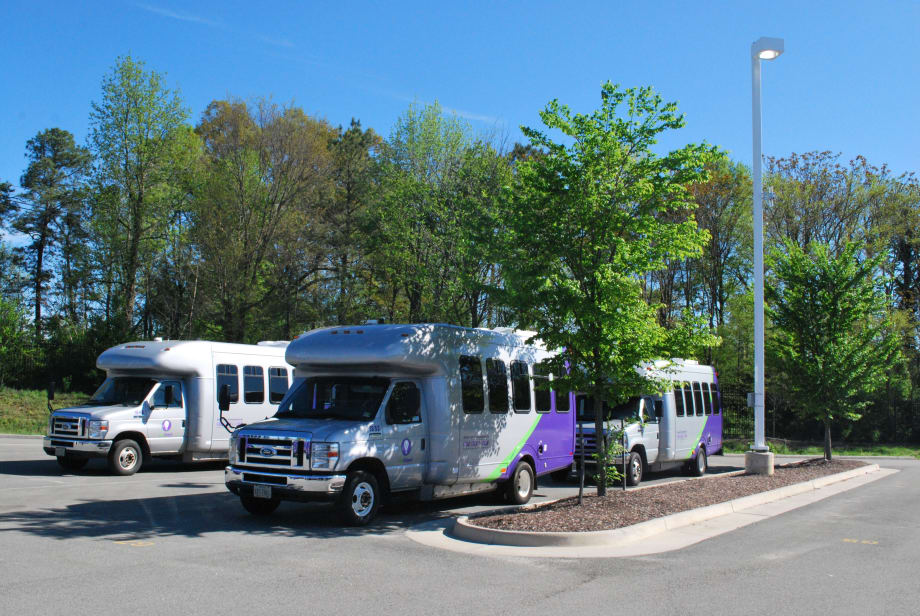
Rose Pace adds that the new tool also allows GRTC to reduce calls associated with reservations or cancellations, freeing customer service representatives to more quickly focus on clients with additional needs over the phone.
GRTC
2 min to read
Rose Pace adds that the new tool also allows GRTC to reduce calls associated with reservations or cancellations, freeing customer service representatives to more quickly focus on clients with additional needs over the phone.
GRTC
Last fall, GRTC launched a new tool that enables its CARE paratransit customers to request, view, and cancel trips via their computer or mobile device. The platform, known as Amble, is provided by Routematch.
“Some of the younger users and their parents, or parents of caregivers, said they wanted a more flexible option that didn’t require them to have to call in the traditional way,” explains Carrie Rose Pace, GRTC’s director, communications. “They didn’t want to fax us, or even necessarily email us, they wanted to take care of it all online and even make adjustments to their reservations without even having to call.”
Rose Pace adds that the idea first came up during one of its CARE advisory group meetings, which are held quarterly.
An extra benefit to the program is that the platform also enables riders, caretakers, and family members to use the app or website to track the location of their loved ones, via real-time vehicle location.
“Generally, parents of caregivers are concerned about knowing where their child is, so it has been a great benefit for them,” says Rose Pace. “For our partners, it also allows them to know where their vehicles are and keep up with how their trips are going.”
Rose Pace adds that the new tool also allows GRTC to reduce calls associated with reservations or cancellations, freeing customer service representatives to more quickly focus on clients with additional needs over the phone.
To help with customer outreach, GRTC made a step-by-step PDF available to its customers and offers them the opportunity to practice setting up trips with one of the agency’s employees from its Information Systems Department.
“They will guide them through the entire process and then help them to do a practice booking and another exercise,” Rose Pace explains. “That whole process takes about 15 to 30 minutes per client, which is a lot of time, but we found the investment really alleviates their stress and gets our customers over the hurdle of giving it a try.”
Subscribe to Our Newsletter
More Technology

From Hardware to Digital Partner: Luminator Charts Its Next Chapter
CEO Magnus Friberg discusses Luminator’s shift toward becoming a digital partner, the growing importance of software and interoperability, and how AI can help agencies improve operations and passenger experience.
Read More →
Beyond the Checklist: A Structured Approach to Transit Maintenance
Reliability-Centered Maintenance helps transit agencies move beyond routine checklists to focus limited resources on the assets and failures that have the greatest impact on safety, reliability, and service.
Read More →
NJ TRANSIT Advances Bus Technology Upgrades Across Statewide Fleet
More than 1,500 buses now feature upgraded technology designed to improve arrival predictions and provide free Wi-Fi, with deployment expected to reach nearly 2,000 buses by the end of 2026.
Read More →

Building a Flexible Path to Transit Electrification
John Hroncich discusses BAE Systems’ modular and scalable approach, lessons learned from decades of real-world operations, and how agencies can identify electrification strategies that fit their fleets.
Read More →
Biz Briefs: Alstom Lands Canadian Contract, LYT to Supply California TSP, and More
In METRO's latest installment, we take a look at recent news from Complete Coach Works, Beep, FlixBus, and more partnerships making headlines across the transportation sector.
Read More →
Sponsored•September 8, 2026
From Legacy Silos to Conversational Intelligence
What if transit leaders could ask any operational question and get a trusted answer in seconds? Conversational AI is transforming how agencies use their data.
Read More →
USDOT Announces Rail Vehicle Replacement Grants, Chattanooga AV Shuttle Funding
More than $191 million in federal funding will help three transit agencies replace aging rail vehicles and support a new autonomous shuttle service in Chattanooga.
Read More →
Bus Tech Talk: Keeping Transit Technicians Ahead of the Technology Curve
LA Metro’s Obed Mejia discusses technician training, evolving maintenance technology, fleet replacement, and strategies for getting the most out of today’s transit fleets.
Read More →
Biz Briefs: RIPTA Unveils New Frontrunners, Clevland RTA Adds New Siemens, and More
In METRO's latest installment, we take a look at recent news from Siemens, Prevost, Dodge, and more partnerships making headlines across the transportation sector.
Read More →
Why Simulating Pedestrian Movement Has Become Essential for Modern Rail Stations
Pedestrian microsimulation is helping rail planners identify bottlenecks, test station designs, and prepare complex transit hubs for growing passenger volumes.
Read More →