GM/CEO
Santa Clara Valley Transportation Authority
San Jose, Calif.


 MENU
MENU SEARCH
Growing up in Panama City, Panama, Nuria Fernandez’s earliest experience with transit was riding what she calls the “rather unorthodox bus system” of her hometown.
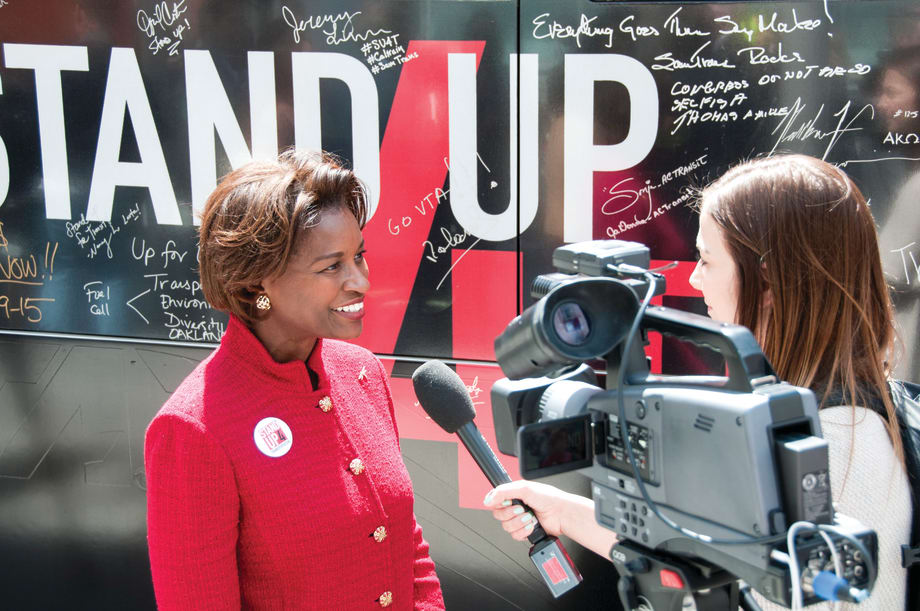
Fernandez says her agency’s location is at “ground zero for innovation.”
Growing up in Panama City, Panama, Nuria Fernandez’s earliest experience with transit was riding what she calls the “rather unorthodox bus system” of her hometown.
Fernandez says her agency’s location is at “ground zero for innovation.”
“Back then, anyone who wanted to could get a license to operate a bus, and the routes and fares were not as structured as they are in the U.S.,” says Fernandez.
CAREER PATH. When she came to the U.S. to study civil engineering, she was introduced to the American system of public transportation. This sparked her interest in pursuing transit as a career path. She then began an internship with the Panama Canal Co., where she landed her first job upon graduation. She worked in the engineering division of the Panama Canal Co.’s Gatún Locks.
“My great grandfather was involved in the construction of the Canal, so it was a legacy that I proudly took part in,” says Fernandez.
EXPERIENCE. Over the course of her robust 35-year career, Fernandez has worked many public and private sector jobs in the transportation industry. She served as chief operating officer for the New York State Metropolitan Transportation Authority. Fernandez also managed the operations of O’Hare International Airport in Chicago. And sequentially, she was the head of design and construction for the Chicago Transit Authority and the Washington Metropolitan Transit Authority.
Fernandez provided high-level policy and program expertise as deputy administrator of U.S. Department of Transportation’s Federal Transit Administration. Additionally, she has served as senior VP at two different engineering consulting firms, CH2M HILL and Earth Tech.
ROLE FOCUS. As GM/CEO of Santa Clara Valley Transportation Authority (VTA), Fernandez oversees all functions of the agency. She describes the present as an exciting time to be based in Silicon Valley.
“We are at ground zero for innovation,” says Fernandez. “I routinely interact with tech industry leaders in an effort to integrate their cutting-edge ideas into our transportation landscape so that our system can work better for everyone. This collaboration is where creativity is changing not only our region but the world — it is an exciting partnership.”
In addition to being a transit authority, VTA is also the Congestion Management Agency for Santa Clara County. Therefore, Fernandez is in charge of supervising VTA plans, designs, and even the construction of mass transit facilities and highway interchanges. This is in an effort to help regional traffic move more smoothly overall.
In taking on such a big task, Fernandez emphasizes that confidence is key. “My confidence was instilled in me by my mother,” says Fernandez. “You need a willingness to try new things and take risks.”
KEY PROJECT. Currently, the VTA is completing the largest transportation infrastructure project in Santa Clara County history — the extension of the Bay Area Rapid Transit (BART) system. The goal is to create a comprehensive public transportation network around the entire San Francisco Bay Area.
In order to make this a reality, VTA placed the 2016 Measure B on the ballot last year, which implements a 30-year half-cent countywide sales tax. The measure passed by nearly 72%, marking the highest level of support for any Santa Clara County transportation tax. The measure will help fund BART through downtown San Jose as well as dozens of other improvements.
“I am extremely proud of the work that VTA’s planning and community outreach teams did over the past two years to educate residents and listen to their needs,” says Fernandez. “It started with building a coalition of stakeholders and residents to develop a list of projects to build and maintain our transportation infrastructure network.”
Fernandez and her team are currently in the process of developing a program to allocate the projected $6 billion in sales tax revenues from Measure B.
When Fernandez is not at the office, she enjoys hiking and biking around northern California. She also knits, crochets, bakes, and spends time with her two new grandchildren.
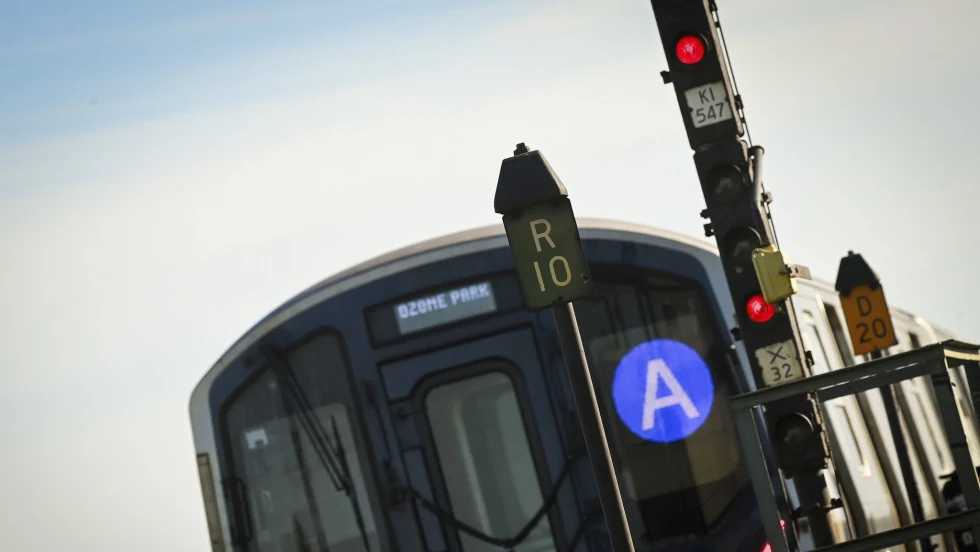
Funded in part by congestion pricing revenue, the project will replace nearly century-old signals along the A and C lines in Brooklyn and Queens.
Read More →
Bus Business Consultants Founder Brian Dickson discusses the leadership principles, operational discipline, and strategic planning that separate transportation companies positioned for long-term success from those stuck in survival mode.
Read More →
The 12.4-mile corridor is projected to serve 66,200 daily riders, reduce travel times by up to 24%, and create the nation's busiest bus rapid transit corridor.
Read More →
Dr. Carol Parker Walsh discusses leadership development, employee retention, workplace culture, and preparing transit’s workforce for AI and automation.
Read More →
The company’s CEO discusses carrying forward a third-generation family legacy, ABC’s continued evolution in passenger transportation, support for increasingly complex fleets, and how technology and continued investment could help operators improve uptime.
Read More →
The new microtransit zone connects residents to key destinations as Charlotte Area Transit System rolls out the first phase of its 2055 Transit System Plan.
Read More →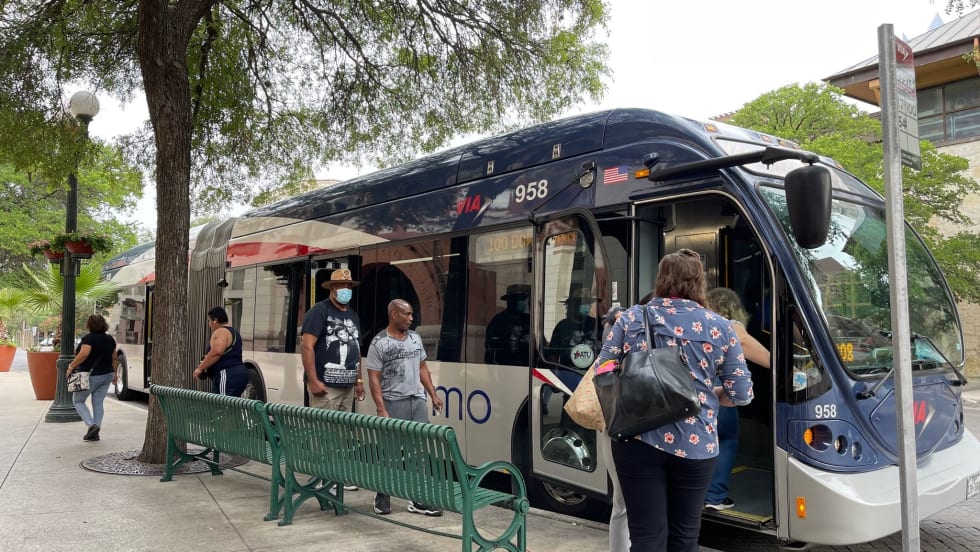
San Antonio's VIA Metropolitan Transit reported the highest bus ridership growth among major Texas transit systems. Federal Transit Administration data ranked it second among the nation's 50 largest transit systems.
Read More →
Developed with support from the Standards Council of Canada, CSA D700 guides assessing climate-related risks and planning adaptation measures for transit and passenger rail systems.
Read More →
ETA founder and CEO John Maglio explores the evolution of transit technology, the importance of reliable systems, and how stronger partnerships can help agencies improve operations and the passenger experience.
Read More →
The new plan outlines improvements to service reliability, accessibility, communication, and the overall rider experience across Central Ohio's transit system.
Read More →