



June LA Metro Ridership Surges 2 Million Year Over Year
Total June ridership increased for both weekdays and weekends. Weekday ridership was 953,820, which grew 8.4% from June 2025; Saturdays increased nearly 13% year-over-year to 708,826; and Sundays increased 7.7% to 611,534 from June 2025, according to LA Metro.

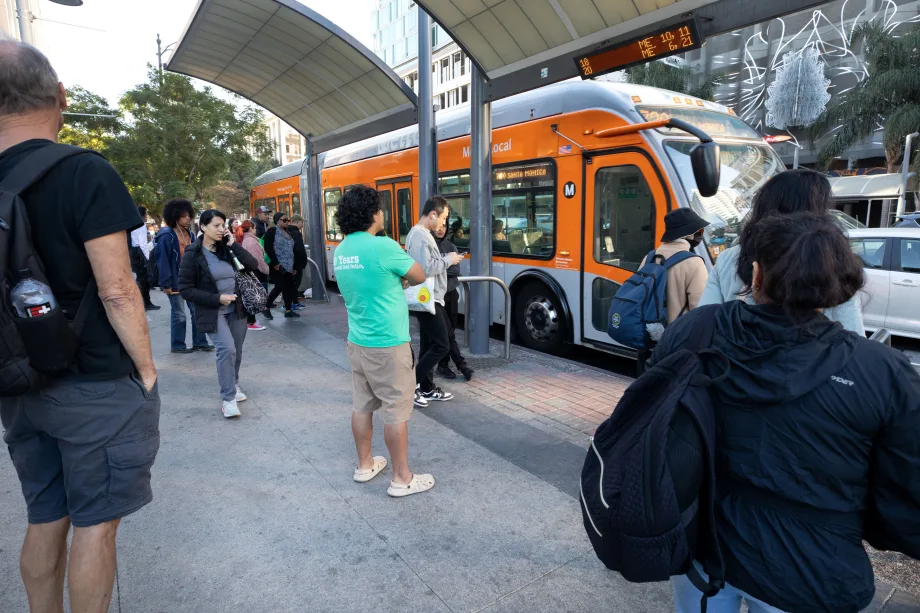
LA Metro bus ridership was up 6.8% year-over-year, with the biggest increase on Saturdays, up 9.1% to 514,987 from June 2025. Weekday travel was also up 5.2% from last year, with 721,846 riders.
LA Metro
- LA Metro's total ridership in June saw a year-over-year increase, with weekdays reaching 953,820 riders, an 8.4% growth since June 2025.
- Saturday ridership experienced a significant rise of nearly 13% compared to the previous year, totaling 708,826 riders.
- Sunday ridership also grew, recording a 7.7% increase year-over-year, with 611,534 riders in June.
*Summarized by AI
In June, LA Metro was in the center of the action as it provided 26,265,480 rides, two million more than last June, representing a 9% growth.
Total June ridership increased for both weekdays and weekends. Weekday ridership was 953,820, which grew 8.4% from June 2025; Saturdays increased nearly 13% year-over-year to 708,826; and Sundays increased 7.7% to 611,534 from June 2025, according to LA Metro.
New Rail Lines, Events a Huge Contributor
June marked the first anniversary of the grand opening of the LAX/Metro Transit Center and the one-month anniversary of the opening of the D Line Extension’s three new stations at Wilshire/La Brea, Wilshire/Fairfax, and Wilshire/La Cienega, with the added connectivity and easier access to LAX and the culture, cuisine, and commerce in mid-Wilshire driving significant ridership increases and the C, D, and K lines.
Most notably, the D line ridership is up more than 45% overall and 70% on Saturdays from June 2024.
Additional events that drove increased ridership besides the FIFA World Cup include the new Hollywood Bowl season, Anime Expo at the LA Convention Center, and concerts by Shakira at the Intuit Dome and Ariana Grande at Crypto.com Arena.
The agency’s numbers exclude ridership on the direct enhanced service routes to Los Angeles Stadium for World Cup fans attending the matches, which will be announced later this week.
Ridership Growth on Bus and Rail
Bus ridership was up 6.8% year-over-year, with the biggest increase on Saturdays, up 9.1% to 514,987 from June 2025. Weekday travel was also up 5.2% from last year, with 721,846 riders. The J line, a Bus Rapid Transit (BRT) route used by many riders for World Cup activities, was up 11.7% year over year.
Overall, total bus ridership in June was 19,703,996.
Rail ridership has also continued to grow. In June, ridership was 6,561,484, a 21.8% year-over-year increase. The numbers increased every day of the week throughout June 2025, with more riders taking rail for weekend activities, with Saturday ridership nearly on par with the rail weekday average in June 2025.
Year-over-year highlights include:
- A line ridership increased 22.1%, to 2,130,886, with the strongest growth on Saturdays at 30.4%.
- B/D lines grew 29.2% to 2,051,884 and an impressive 45% growth on Saturdays.
- C line increased 11.6% to 570,254 with a 19.3% increase on Sundays.
- E line grew 16.5% overall to 1,542,032, with a 22.7% increase on Sundays.
- K line increased 15.6% overall to 266,428 and 19.3% on weekdays.
Quick Answers
Weekday LA Metro ridership increased by 8.4% compared to June 2025.
*Summarized by AI
More Management
Utilimarc Launches SmartReplace to Optimize Fleet Replacement Decisions
AI-powered SmartReplace helps fleets prioritize vehicle replacements, model budget scenarios, and build more defensible long-term strategies.
Read More →
APTA Honors 2026 Award Winners, Hall of Fame Inductees at TRANSform & EXPO
Innovations in autonomous and zero-emission transportation, standout transit systems, and industry leadership took center stage among this year's honorees.
Read More →
7 Ways to Build a Better Transit Internship Program
Lessons from DRPA/PATCO’s approach to creating a meaningful internship experience—and developing the next generation of transportation professionals.
Read More →
Scenes from APTA TRANSform & EXPO 2026
Transit leaders, manufacturers, and industry professionals gathered in Chicago to explore new technologies, share ideas, and discuss the future of public transportation.
Read More →
Building Stronger Leaders, More Resilient Transit Teams
Dr. Carol Parker Walsh discusses leadership development, employee retention, workplace culture, and preparing transit’s workforce for AI and automation.
Read More →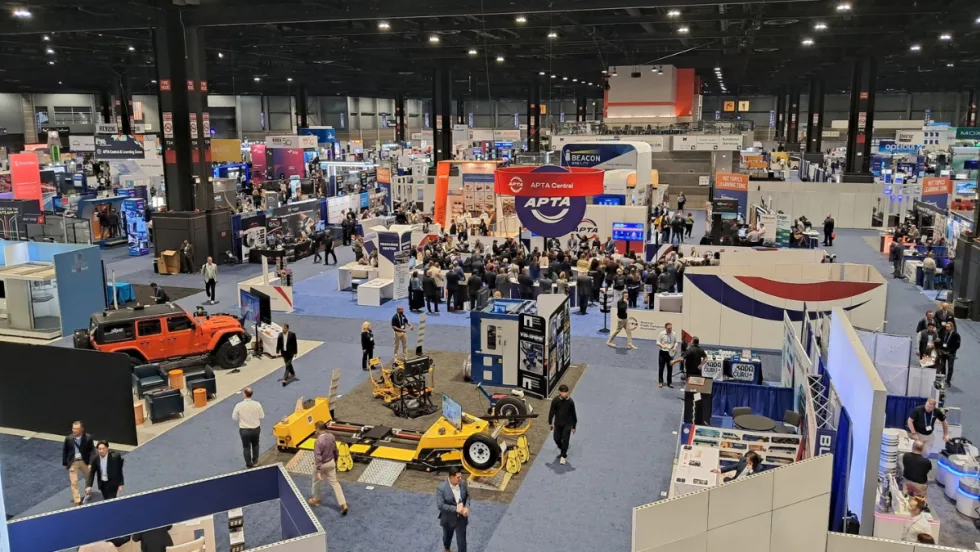
APTA 2026 TRANSform & EXPO Kicks Off in Chicago
After 45 years, APTA returns to Chicago with a focus on next-generation fleets, AI, connected transit networks, and the funding strategies shaping public transportation’s future.
Read More →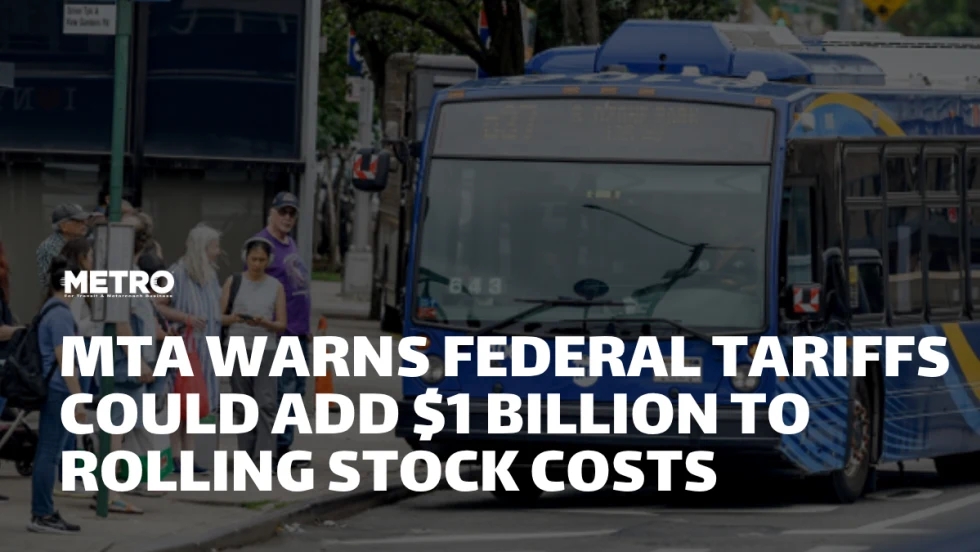
New York MTA Warns Federal Tariffs Could Add $1 Billion to Rolling Stock Costs
The agency said tariffs on specialized imported components could reduce the purchasing power of its $23 billion investment in new subway cars, railcars, and buses.
Read More →
From the Show Floor: What Happened at APTA TRANSform & EXPO 2026
See the latest product launches, partnerships, technology updates, and transit industry announcements from APTA TRANSform & EXPO in Chicago.
Read More →
How Valley Metro Is Balancing Transit Growth With the Rider Experience
The APTA award-winning agency is pairing rapid system expansion with investments in workforce, safety, technology, and the fundamentals of transit service.
Read More →
Bus Tech Talk: Keeping Transit Technicians Ahead of the Technology Curve
In this episode of Bus Tech Talk, Complete Coach Works’ Business Development Manager Mark Hollenbeck and METRO’s Executive Editor Alex Roman sit down with Obed Mejia, Senior Technical Trainer for Bus Maintenance, at LA Metro to discuss how rapidly evolving bus technology is changing the maintenance shop — and the skills technicians need to keep pace.
Read More →