



NJ TRANSIT Secures Capital Funding, Adopts FY2027 Budget
The budgets continue investments in infrastructure and equipment to maintain the system in a state of good repair and enhance the overall customer experience.

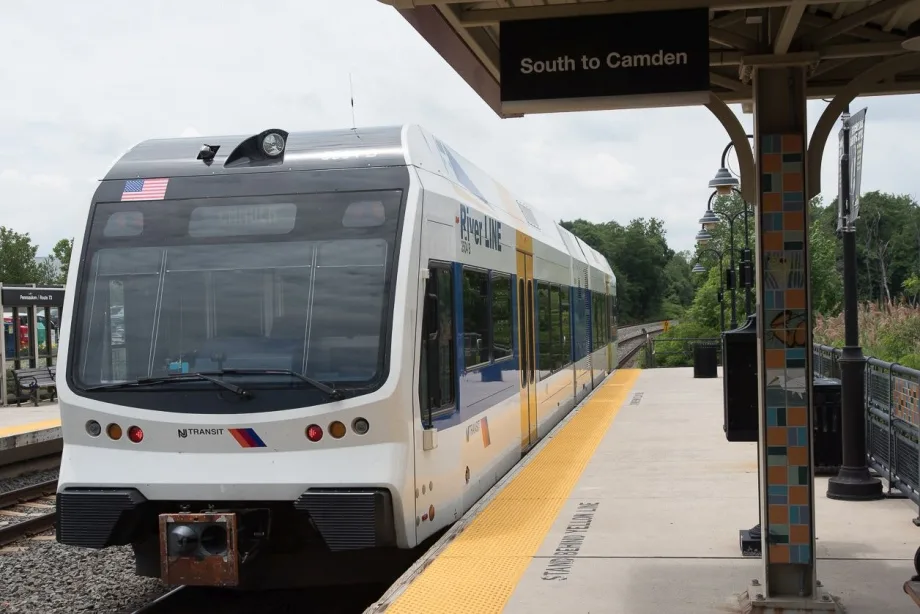
This year’s Fiscal Year 2027 Capital Funding Appropriation totals $1.733 billion. It represents an expected funding source that, along with other past and future annual appropriations, will provide the funds needed to advance critical capital projects.
NJ TRANSIT
- NJ TRANSIT has secured capital funding and adopted its budget for fiscal year 2027.
- The budget supports continued investment in infrastructure and equipment.
- Funding aims to maintain the transit system in good repair and improve customer experience.
*Summarized by AI
The NJ TRANSIT board adopted the agency’s Fiscal Year 2027 (FY 2027) operating budget, local programs budget, and authorized capital funding.
The budgets continue investments in infrastructure and equipment to maintain the system in a state of good repair and enhance the overall customer experience.
“We accomplished a lot in Fiscal Year 2026 by continuing historic investments in new rail cars and buses to modernize the aging fleet,” said NJ TRANSIT President/CEO Kris Kolluri. “Governor Sherrill’s unprecedented level of state funding support for FY27 will allow us to build on this progress by continuing to invest in our transit system to ensure more reliable, efficient, and modern transportation for our customers.”
The Board adopted a $3.5 billion operating budget and $1.7 billion in capital funding for FY 2027.
NJ TRANSIT’s FY 2027 Operating Budget
28% of revenue in the FY 2027 operating budget comes from customer fares.
The remaining amount comes from dedicated funding from the New Jersey Turnpike Authority ($485 million in FY 2027), the corporate transit fee ($765.6 million), and a combination of commercial revenue and state and federal resources.
Approximately 60% of the operating budget is dedicated to labor costs supporting a workforce of approximately 12,900 employees. Expenses, including materials, fuel and power, utilities, and outside services, represent 22.8% of total operating expenses.
Meanwhile, contracted transportation services, such as Access Link, private carrier buses, and Hudson-Bergen Light Rail (HBLR) operation and maintenance, represent 9.5% of total operating expenses.
FY 2027 Capital Funding Appropriation and Local Programs
This year’s Fiscal Year 2027 Capital Funding Appropriation totals $1.733 billion. It represents an expected funding source that, along with other past and future annual appropriations, will provide the funds needed to advance critical capital projects.
The Capital Funding Appropriation is funded from several sources: $791.1 million from the Federal Transit Administration (FTA), $75 million in flexed funds from the Federal Highway Administration (FHWA) provided through the New Jersey Department of Transportation (DOT), $782 million from the New Jersey Transportation Trust Fund (TTF), and $84.5 million of Casino Revenue, Local Match, and Turnpike Authority funds.
NJ TRANSIT partners with all 21 New Jersey counties to fund community transportation programs, as well as those offered by a variety of private non-profit organizations, counties, municipalities, and county improvement authorities, in meeting the mobility needs of New Jerseyans who depend on public transportation.
Quick Answers
The FY2027 budget focuses on investments in infrastructure and equipment to maintain the system in a state of good repair and enhance the overall customer experience.
*Summarized by AI
More Management

CATS Launches West Charlotte Microtransit Zone, Expands Transit Services
The new microtransit zone connects residents to key destinations as Charlotte Area Transit System rolls out the first phase of its 2055 Transit System Plan.
Read More →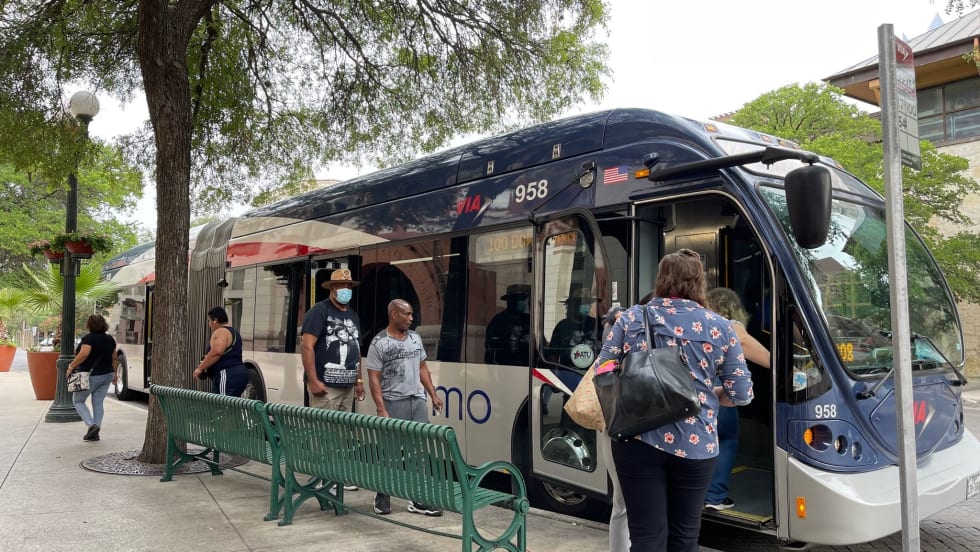
VIA Bus Ridership Grows 10.1% Through August 2026
San Antonio's VIA Metropolitan Transit reported the highest bus ridership growth among major Texas transit systems. Federal Transit Administration data ranked it second among the nation's 50 largest transit systems.
Read More →
CSA Group Releases Climate Resilience Standard for Transit, Passenger Rail
Developed with support from the Standards Council of Canada, CSA D700 guides assessing climate-related risks and planning adaptation measures for transit and passenger rail systems.
Read More →
ETA CEO John Maglio on Transit Technology, Innovation, and Building Agency Trust
ETA founder and CEO John Maglio explores the evolution of transit technology, the importance of reliable systems, and how stronger partnerships can help agencies improve operations and the passenger experience.
Read More →
COTA Launches First Customer Experience Action Plan to Improve Transit Service
The new plan outlines improvements to service reliability, accessibility, communication, and the overall rider experience across Central Ohio's transit system.
Read More →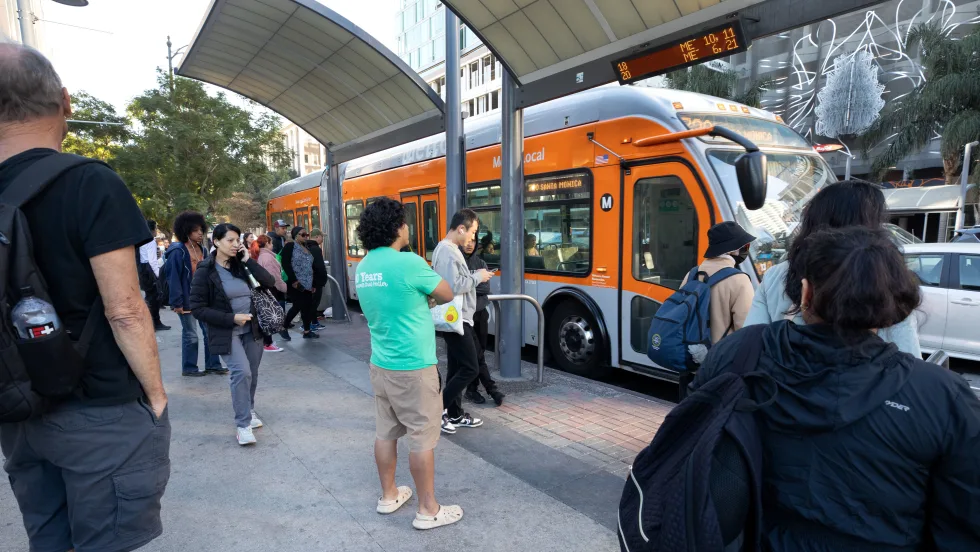
LA Metro September Ridership Climbs 3.9%, Led by Rail Growth
The agency recorded more than 27.2 million boardings, with rail ridership increasing 12.4% year over year and the D Line posting the largest gains.
Read More →
Utilimarc Launches SmartReplace to Optimize Fleet Replacement Decisions
AI-powered SmartReplace helps fleets prioritize vehicle replacements, model budget scenarios, and build more defensible long-term strategies.
Read More →
APTA Honors 2026 Award Winners, Hall of Fame Inductees at TRANSform & EXPO
Innovations in autonomous and zero-emission transportation, standout transit systems, and industry leadership took center stage among this year's honorees.
Read More →
7 Ways to Build a Better Transit Internship Program
Lessons from DRPA/PATCO’s approach to creating a meaningful internship experience—and developing the next generation of transportation professionals.
Read More →
Scenes from APTA TRANSform & EXPO 2026
Transit leaders, manufacturers, and industry professionals gathered in Chicago to explore new technologies, share ideas, and discuss the future of public transportation.
Read More →