



Federal Railroad Administration Study Finds Upgrades Could Boost Penn Station Capacity by One-Third
The study outlines a roadmap for increasing train throughput while preparing Penn Station for future growth across the Northeast Corridor.


The Federal Railroad Administration estimated Penn Station improvements would reduce average platform clearance and boarding times by about 2.4 minutes.
Soly Moses
- A Federal Railroad Administration study identifies potential upgrades to increase train capacity at Penn Station by one-third.
- The study provides a strategic plan to enhance train throughput and efficiency at the station.
- Recommendations aim to prepare Penn Station for anticipated future growth in the Northeast Corridor.
*Summarized by AI
The Federal Railroad Administration (FRA) has released the first phase of its New York Penn Station Service Optimization Study, concluding that a series of targeted infrastructure and operational improvements could increase train capacity by roughly 33% while improving passenger circulation throughout the nation's busiest rail hub.
Penn Station currently serves more than 350,000 passengers daily and handles more than 1,000 train movements, operating at or near capacity during peak periods. The report concludes that relatively modest improvements within the station's existing footprint — rather than a major expansion — could unlock significant additional capacity.
According to the preliminary findings, extending Platforms 1, 2 and 3, adding up to 23 new stairs and escalators, removing platform obstructions, improving signage and reducing train dwell times could increase capacity to as many as 32 trains per hour per direction during the morning peak and 30 trains per hour per direction during the evening peak, up from the current 24 trains per hour.
The study also recommends introducing limited through-running commuter rail service, allowing some trains to continue through Penn Station rather than terminate there. Under the proposed operating concept, up to four commuter trains per hour in each direction would operate through the station in addition to Amtrak's through services, reducing dwell times and improving operational efficiency.
FRA estimates the improvements would reduce average platform clearance and boarding times by about 2.4 minutes, or 28%, helping passengers move more quickly between trains and concourses while increasing overall station throughput.
Next Phase Focuses on Regional Rail
Federal officials said the findings will help guide the next phase of design work for the broader Penn Station transformation project.
"Whether you are a daily commuter or a tourist, Penn Station can and should work better for you," U.S. Transportation Secretary Sean P. Duffy said in a statement. "This early report underscores how the work we are doing to transform the station into a world-class transit hub isn't just a facelift — it can fundamentally improve the travel experience."
The report also noted that as Gateway Program projects, including the new Hudson River Tunnel, add rail capacity into Manhattan, Penn Station itself will become the primary bottleneck unless station operations and passenger circulation are improved.
FRA Administrator David Fink said the study demonstrates how operational and infrastructure improvements can increase capacity while supporting the long-term redevelopment of the station.
Amtrak Special Advisor Andy Byford said the findings advance several key goals of the Penn Station transformation effort, including expanding concourse capacity, improving accessibility, enhancing operational efficiency and accommodating future passenger growth.
A second phase of the study will evaluate broader regional strategies involving Amtrak, NJ Transit, Long Island Rail Road, and Metro-North, including infrastructure, fleet, governance, and operational changes needed to support additional service throughout the Northeast Corridor and the New York metropolitan region.
More Management

COTA Launches First Customer Experience Action Plan to Improve Transit Service
The new plan outlines improvements to service reliability, accessibility, communication, and the overall rider experience across Central Ohio's transit system.
Read More →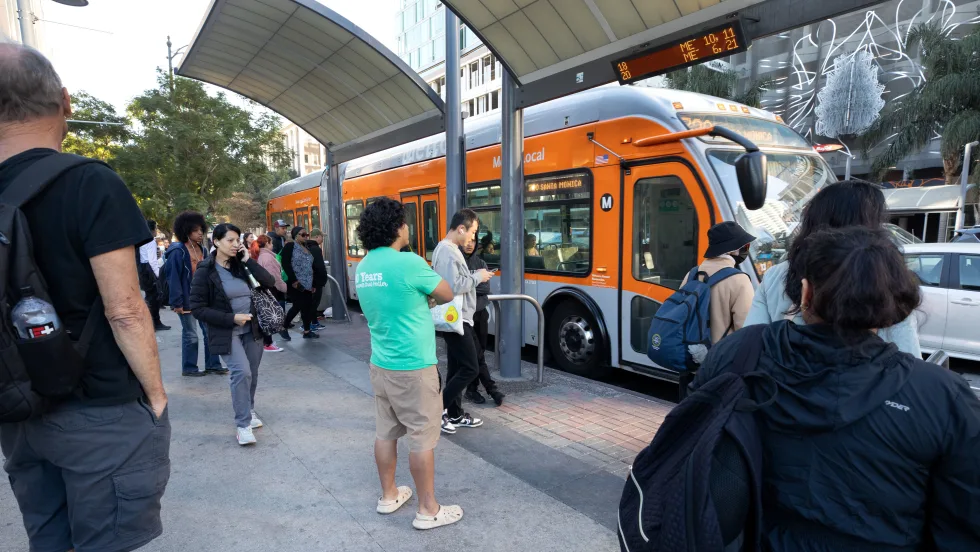
LA Metro September Ridership Climbs 3.9%, Led by Rail Growth
The agency recorded more than 27.2 million boardings, with rail ridership increasing 12.4% year over year and the D Line posting the largest gains.
Read More →
Utilimarc Launches SmartReplace to Optimize Fleet Replacement Decisions
AI-powered SmartReplace helps fleets prioritize vehicle replacements, model budget scenarios, and build more defensible long-term strategies.
Read More →
APTA Honors 2026 Award Winners, Hall of Fame Inductees at TRANSform & EXPO
Innovations in autonomous and zero-emission transportation, standout transit systems, and industry leadership took center stage among this year's honorees.
Read More →
7 Ways to Build a Better Transit Internship Program
Lessons from DRPA/PATCO’s approach to creating a meaningful internship experience—and developing the next generation of transportation professionals.
Read More →
Scenes from APTA TRANSform & EXPO 2026
Transit leaders, manufacturers, and industry professionals gathered in Chicago to explore new technologies, share ideas, and discuss the future of public transportation.
Read More →
Building Stronger Leaders, More Resilient Transit Teams
Dr. Carol Parker Walsh discusses leadership development, employee retention, workplace culture, and preparing transit’s workforce for AI and automation.
Read More →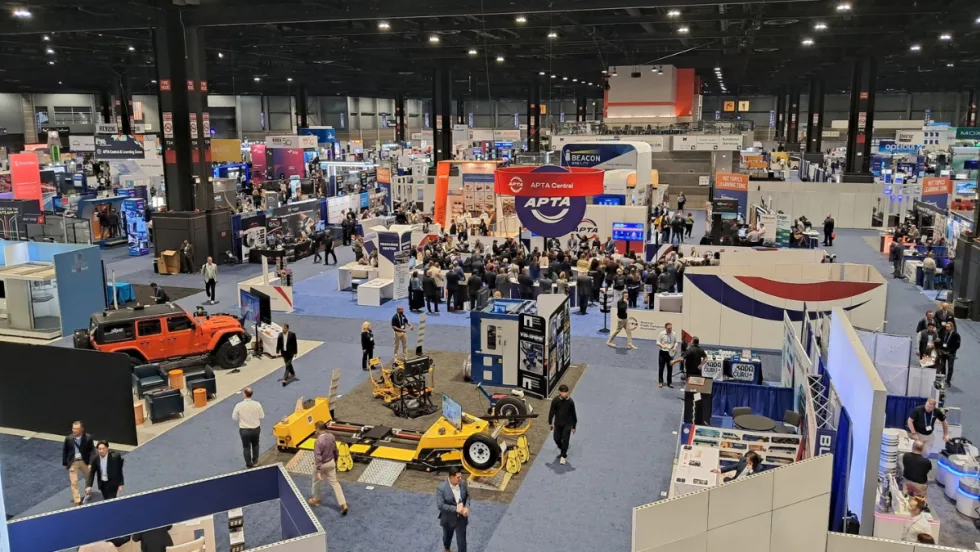
APTA 2026 TRANSform & EXPO Kicks Off in Chicago
After 45 years, APTA returns to Chicago with a focus on next-generation fleets, AI, connected transit networks, and the funding strategies shaping public transportation’s future.
Read More →
New York MTA Warns Federal Tariffs Could Add $1 Billion to Rolling Stock Costs
The agency said tariffs on specialized imported components could reduce the purchasing power of its $23 billion investment in new subway cars, railcars, and buses.
Read More →
From the Show Floor: What Happened at APTA TRANSform & EXPO 2026
See the latest product launches, partnerships, technology updates, and transit industry announcements from APTA TRANSform & EXPO in Chicago.
Read More →