Electro Wire connects rail industry with cable needs
Its facilities, automated equipment and lean manufacturing process reduce labor content and minimize waste resulting in significant cost savings for standard or custom cable assemblies, box builds or other electromechanical builds.
by METRO Staff
June 17, 2015
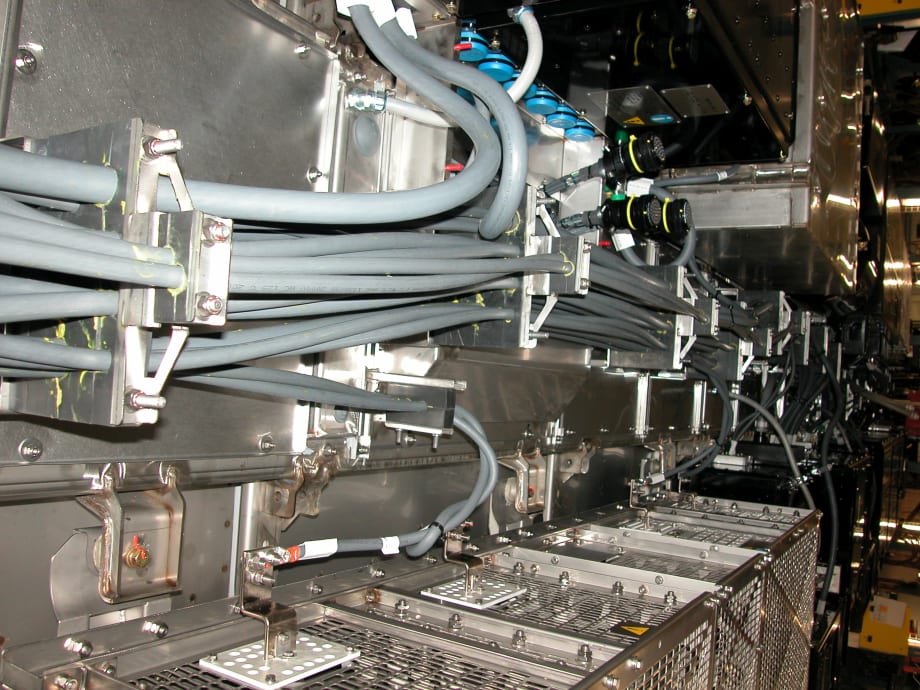
Exane is used to perform all electrical functions, including power, control, instrumentation and data transmission on the rail vehicle.
2 min to read
Exane is used to perform all electrical functions, including power, control, instrumentation and data transmission on the rail vehicle.
Electro Wire, a division of EIS Inc., is the leading supplier of Exane insulated wire and cable in the U.S. “Our extensive footprint of stocking locations across the country allow us to ship quickly and economically,” says Kevin McNamara, VP, Genuine Cable Group, the parent company of Electro Wire. Over the past 36-plus years, the company has established lasting relationships with most of the leading rail and transit companies and subcontractors, he adds.
Exane is the preferred electrical wire and cable for use in wiring transit vehicles of all kinds, including heavy and light rail, push-pull cars, airport peoplemovers, and high-power locomotives for both passenger and freight service. It is used to perform all electrical functions, including power, control, instrumentation and data transmission on the vehicle.
Ad Loading...
Made from a proprietary irradiation cross-linked polyolefin compound (XLPO), Exane exceeds all of the physical and electrical requirements including the flame, smoke and toxicity of the NFPA 130, AAR-5-501 and RP-585 rail/transit industry specifications.
In addition to its Exane wire and cable inventories, Electro Wire has an in-house cable assembly division, which designs, tests and manufactures assemblies to meet customers’ most exacting standards. Services offered include prototype, specialized low-volume, quick-turn, high-volume and end-of-life phases of production, McNamara says.
Electro Wire can take customer ideas from the design stage through testing, as well as build to existing specs and prints. Its facilities, automated equipment and lean manufacturing process reduce labor content and minimize waste resulting in significant cost savings for standard or custom cable assemblies, box builds or other electromechanical builds.
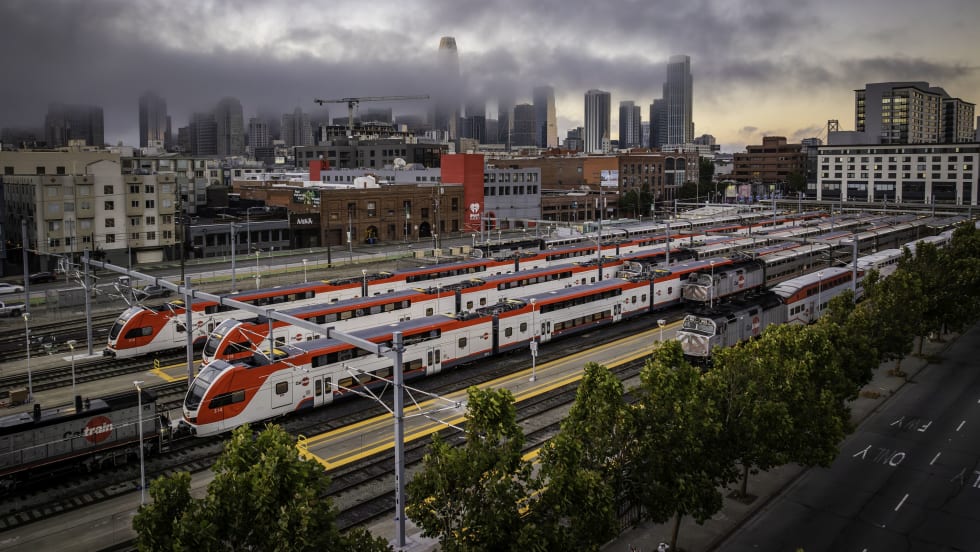
The survey showed that commute trips still make up the majority of ridership, with most riders boarding 2 to 3 days a week, reflecting hybrid work schedules. Two-thirds of Caltrain riders have access to a car, while 37% of Caltrain riders are considered low-income.
Advances in data and analytics are giving transit agencies new opportunities to refine maintenance practices, improve efficiency and make more informed decisions about asset performance.
In this Consultant Roundtable, Carmen C. Cham shares insights on how agencies can create spaces that are intuitive, connected and built for long-term impact.
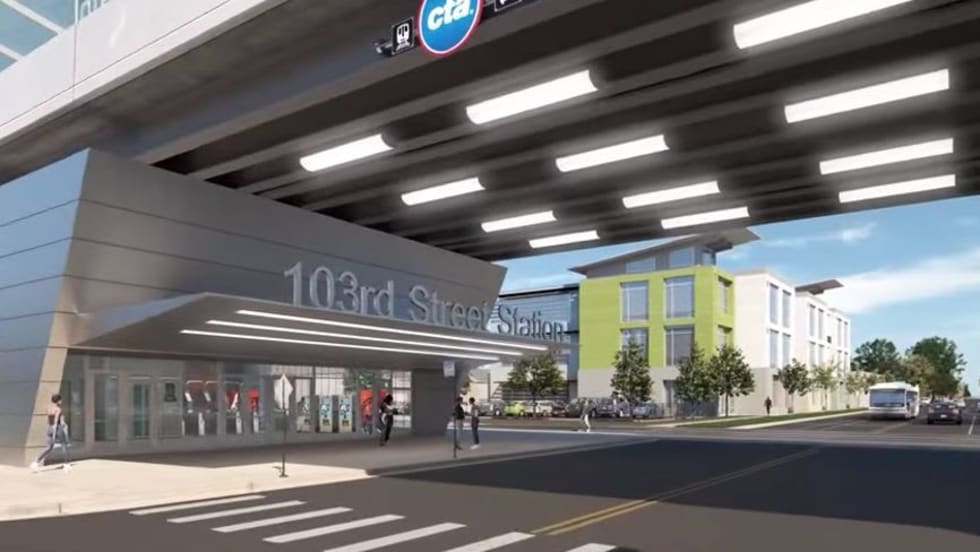
The Red Line Extension Project will provide the Far South Side of Chicago with rapid rail transit for the first time by extending the Red Line by 5.5 miles from 95th Street to 130th Street, including the construction of four new Red Line stations at 103rd, 111th, Michigan, and 130th streets.
The Siemens CBTC System, Trainguard MT, in compliance with New York Subway Interoperability Interface Specifications, enables trains to run as close as 90 seconds apart, using next-generation signaling and continuous communication to keep operations moving seamlessly.
While recognizing regional economic constraints and continuing to improve service, the budget increases the jurisdictional subsidy to less than 1.8%, significantly below the inflation rate and the 3% regional target, said agency officials.
With more than 59,400,000 boardings since the service’s debut, the A Line’s utilization surpassed that of all other RTD rail services in 2025, the agency reported.
The plan outlines funding for transit operations, capital projects, and freight and passenger rail initiatives, as state officials seek public input on priorities shaping mobility and infrastructure across the Commonwealth.
Under Secretary Duffy, the grant program’s revamped criteria will prioritize safety; the American family; and workforce development, job quality, and wealth creation, according to a press release.