For Transit Operators: Facts About Epilepsy and Seizures
Approximately one in 26 Americans will develop epilepsy at some point in their lives, and as a result, may not be able to drive.
by Article contributed by Easter Seals Project ACTION
September 25, 2014
3 min to read
Approximately one in 26 Americans will develop epilepsy at some point in their lives, and as a result, may not be able to drive. Public transportation can be an important resource for people with epilepsy — to help them stay active and connected with their community. Because a passenger may experience a seizure while using public transportation, it is important to know the warning signs of seizures and be prepared to respond appropriately. This is particularly important for public transportation vehicle operators.
Easter Seals Project ACTION and the Epilepsy Foundation recently produced a pocket guide, titled “Seizure Disorder Awareness for Transportation Operators & Customers,” to offer tips and information about riding transit and seizure safety for transportation operators and customers.
Signs of Seizures Epilepsy, also called a seizure disorder, is a neurological, medical condition. Seizures can be thought of as electrical overloads in the brain and can take many forms. Some are brief and hardly noticeable, whereas others present as convulsions that can be upsetting to those who see people having them. Some common behaviors that occur during a seizure include:
Ad Loading...
Staring ahead without response to verbal commands or conversation.
Losing awareness, losing consciousness or becoming confused.
Experiencing stiffness of limbs and/or shaking of limbs — this is also called a convulsion.
Experiencing a change in emotional state.
Picking at and/or fiddling with items in a purposeless way.
Using inappropriate language or agitated aggressive behavior.
Falling.
Key Facts to Know Important epilepsy facts for transit operators to know include dispelling the myth that a person can swallow his tongue during a seizure. The Epilepsy Foundation recommends never putting objects, like pens or a wallet, in someone’s mouth while they are having a seizure. The items may cause injury to the person’s teeth and gums. It is best to turn the person on his side to decrease the chance of his breathing in saliva. However, do not risk injury to the person if it is difficult to turn him on his side. Do allow the person to rest on his side after the seizure until he is ready to get up.
How to Respond Some people can become agitated and combative during and after seizures. They are not aware of what they are doing. Agitation can happen when a person becomes confused during or after a seizure. Do not forcibly restrain the person having the seizure. Remain calm and remove objects in the immediate area that might injure the person, like strollers and packages. Try to guide the person to a safe position. Once the seizure is over and the person is fully awake, help them into a resting position.
People who experience seizures on public transportation cannot be asked to leave the vehicle or be denied a ride. If you are an operator, refer to U.S. Department of Transportation Americans with Disabilities Act regulations and your agency’s service policies for more information. There is no reason a person who has fully recovered from a seizure cannot stay on the bus until she arrives at her destination. If the person is traveling with a service animal, the service animal should remain with the individual and is protected under the ADA.
For questions related to seizure disorders, the ADA, and serving people with disabilities contact the Epilepsy Foundation at (800) 332-1000 or Easter Seals Project ACTION at (800) 659-6428.
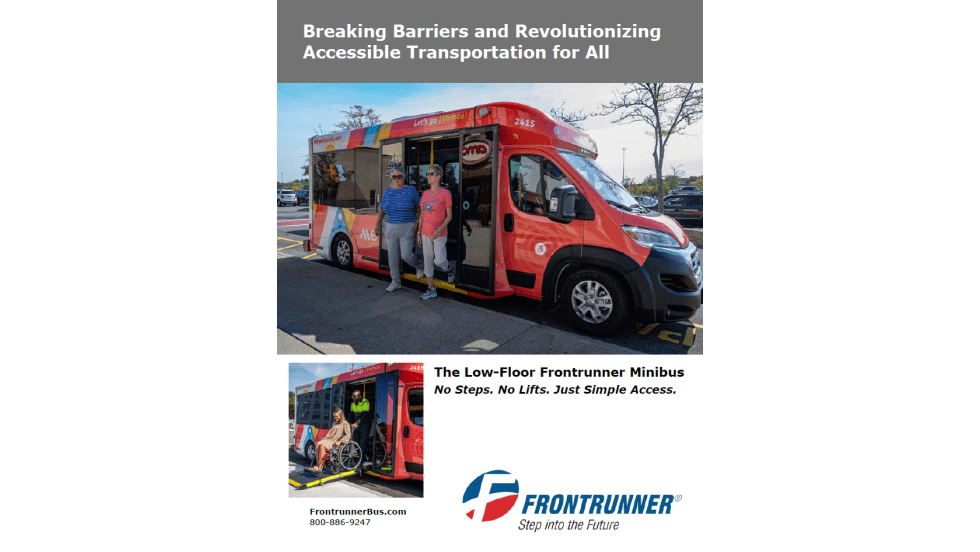
Accessible transit isn’t a feature—it’s a responsibility. This whitepaper explores how the Low-Floor Frontrunner is redefining mobility with a breakthrough design that removes barriers, empowers riders, and delivers measurable operational advantages for agencies. Discover why this next generation minibus is setting a new standard for inclusive transportation.
The funds will specifically reconstruct the portion of the pier used by PSTA’s Clearwater Ferry, creating a permanent dock for the ferry service, which serves as an important transportation and tourism link to other Pinellas County communities.
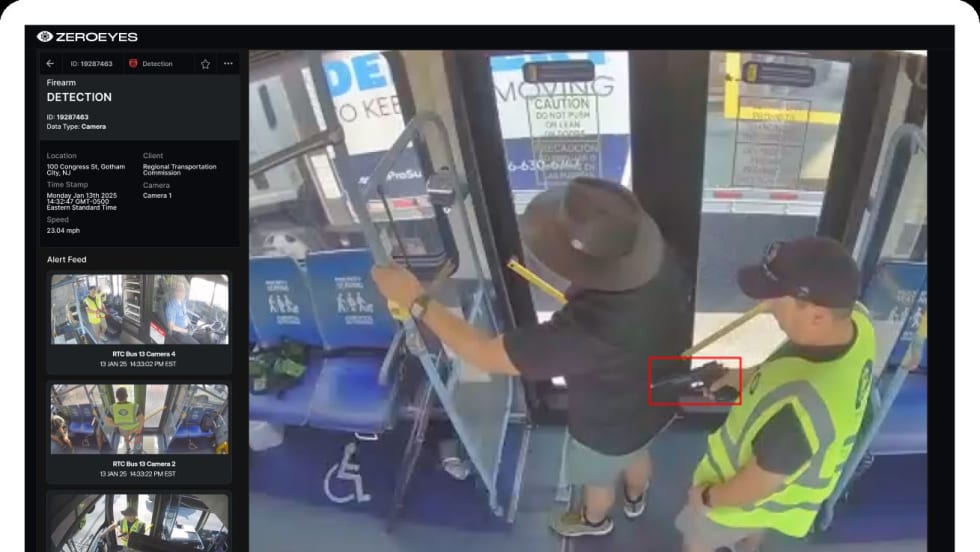
Between accident prevention and insurance savings, new research outlines how transportation fleets are leveraging intelligent video and telematics technologies.
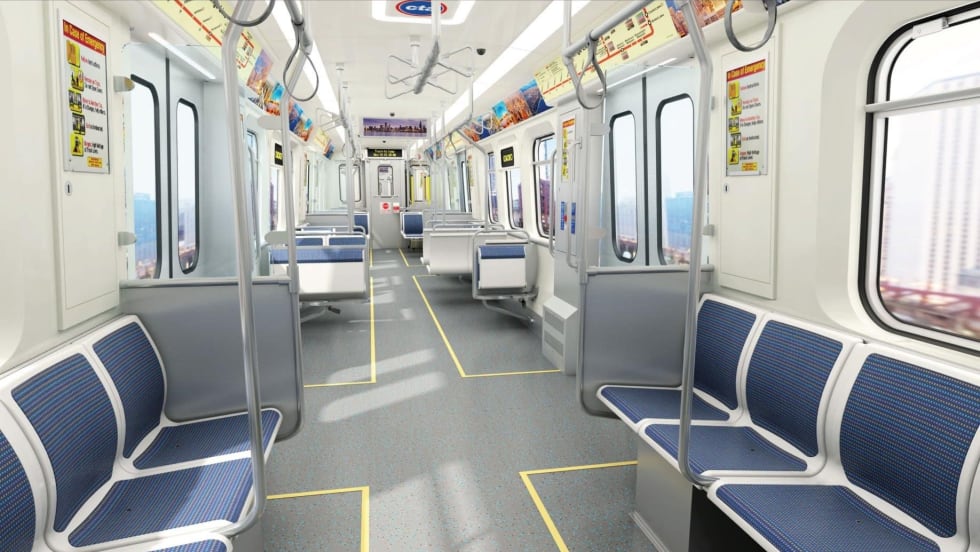
The Plan is CTA's formal response to an FTA Special Directive issued in December and details how the agency will significantly expand the law enforcement surge it launched.
On a recent episode of METROspectives, METRO Magazine’s Executive Editor Alex Roman sat down with Ana-Maria Tomlinson, Director of Strategic & Cross-Sector Programs at the CSA Group, to explore a bold initiative aimed at addressing those challenges: the development of a National Code for Transit and Passenger Rail Systems in Canada.
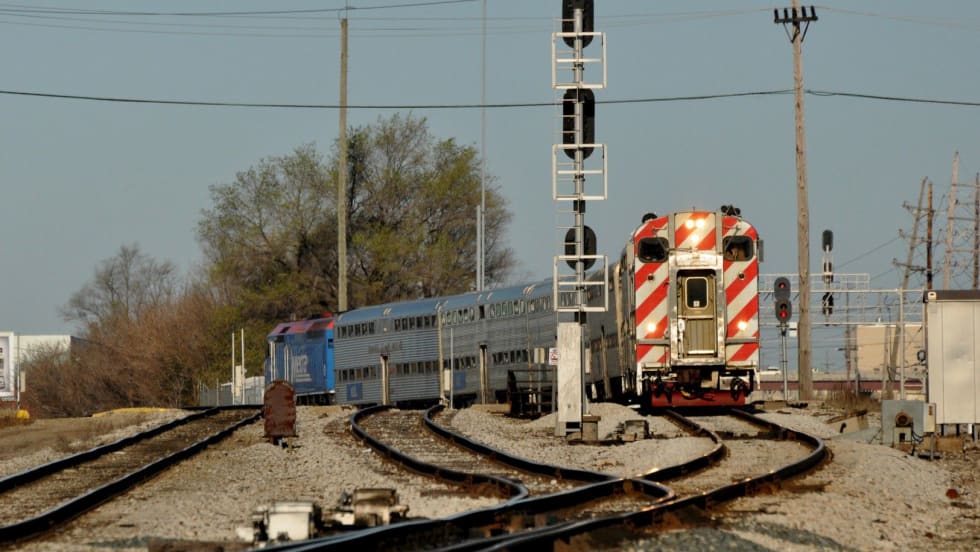
During a safety blitz, Metra employees will visit one of the railroad’s 243 stations during the morning rush hour, distributing educational materials on train and grade-crossing safety, answering questions, and listening to riders’ safety concerns.