



Chicago's Metra Rail Announces 41 Safety Blitzes in 2026
During a safety blitz, Metra employees will visit one of the railroad’s 243 stations during the morning rush hour, distributing educational materials on train and grade-crossing safety, answering questions, and listening to riders’ safety concerns.

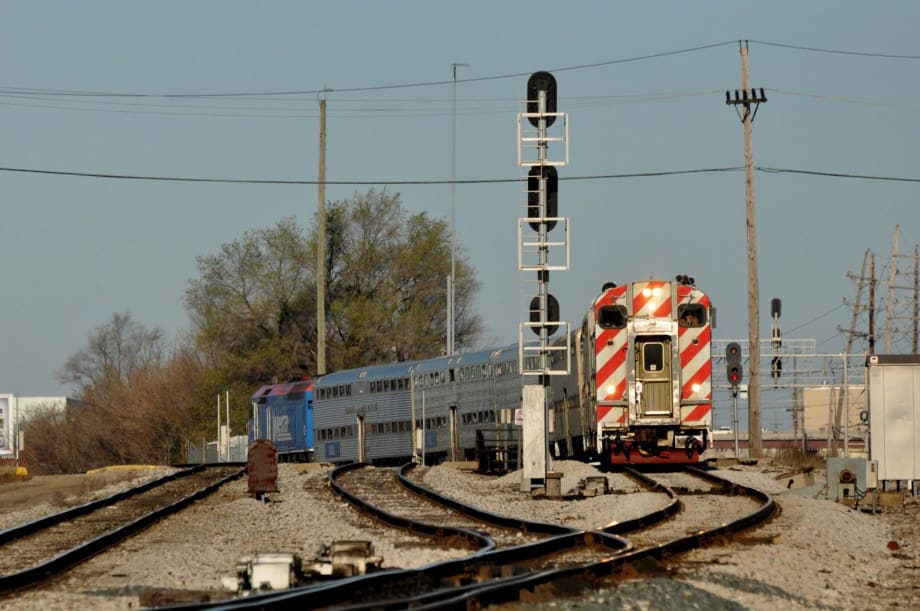
Illinois has the nation’s second-largest rail system with more than 7,300 miles of railroad track and 10,264 public rail crossings.
Metra
- Metra will conduct 41 safety blitzes at various railway stations in 2026.
- Employees will distribute educational materials focusing on train and grade-crossing safety.
- The initiative includes addressing riders' questions and hearing their safety concerns.
*Summarized by AI
Chicago’s Metra will conduct Operation Lifesaver Safety Blitzes at 41 train stations across the six-county region in 2026 as part of its ongoing efforts to raise awareness about the importance of safe behavior around its trains and tracks.
During a safety blitz, Metra employees will visit one of the railroad’s 243 stations during the morning rush hour, distributing educational materials on train and grade-crossing safety, answering questions, and listening to riders’ safety concerns.
“Safety is always Metra’s highest priority,” said Metra CEO/Executive Director Jim Derwinski. “Safety blitzes allow us to reach our customers directly to ensure that they understand the need to stay vigilant about safety anytime they’re around the railroad. This year, we’re focusing on stations that we’ve deemed ‘high risk’ due to the number of reports of near misses and incidents at these locations.”
Promoting A Safer Rail System
Illinois has the nation’s second-largest rail system with more than 7,300 miles of railroad track and 10,264 public rail crossings.
In 2025, Illinois ranked fifth in the nation for train-versus-vehicle collisions at highway-rail crossings and third for trespassing fatalities. Preliminary statistics compiled by the Federal Railroad Administration show that in 2025, 25 people died and 43 people were injured in grade crossing incidents in Illinois. Another 44 people were killed, and 24 people were injured, while trespassing along the railroad right-of-way.
To help promote rail safety awareness and eliminate preventable injuries and deaths, Metra develops an annual schedule of safety blitzes throughout the Chicago metropolitan area.
Safety Blitzes
The safety blitz program’s primary purpose is educational. While station blitzes target commuters primarily, Metra is also planning this year to implement a new safety blitz program targeting schools near its tracks, the agency said. These events will feature tables set up outside of schools staffed by volunteers distributing safety materials and directly interacting with students.
Metra Police will also conduct additional enforcement blitzes at locations throughout the region, issuing citations and warnings to pedestrians and drivers who ignore gates and warning devices.
The agency also promotes safety through its annual Safety Competition for the region’s students. It conducts hundreds of free Operation Lifesaver presentations annually to schools, community groups, school bus drivers, professional truck drivers, emergency responders, and other organizations throughout the region.
Operation Lifesaver is a national organization that promotes safe behavior near the tracks by offering free rail safety education programs. The organization’s work is cosponsored by local, state, and federal government agencies, highway safety organizations, and America's railroads.
Quick Answers
A safety blitz is an event where Metra employees visit a train station during the morning rush hour to distribute educational materials, provide information on train and grade-crossing safety, and address riders' safety concerns.
*Summarized by AI
More Security and Safety

Transit Agencies Highlight Safety Gains at National Summit
Leaders from 15 major transit systems shared crime-reduction results and safety initiatives while discussing the role of continued federal support.
Read More →
DART Launches Major Security, Fare Enforcement Initiative
The 90-day demonstration will deploy coordinated security teams at five light rail stations while testing controlled access and gathering data to guide future investments.
Read More →
RTD Launches NextRide App to Consolidate Trip Planning, Fares, Security Reporting
The app expands on RTD’s existing NextRide web application and allows customers to view real-time vehicle locations and service alerts, purchase and store digital fares, and access customer support.
Read More →

TAPTCO Updates OSHA Compliance Training for Transit Maintenance Operations
The revamped program addresses 26 OSHA standards for maintenance facilities, with TAPTCO pointing to training, documentation, and everyday shop hazards as continuing challenges for transit operations.
Read More →
How VaporVision Adds Value to Transit Door Systems
Wabtec engineers explain how the system improves doorway detection, strengthens diagnostics and gives transit agencies and OEMs greater operating flexibility.
Read More →
FRA Announces $5.3B in Rail Investments, Including $2B for Amtrak
Funding will support grade-crossing improvements, infrastructure upgrades, and new Amtrak equipment in 23 states.
Read More →
Chicago, Maryland Expand Non-Law-Enforcement Safety, Rider Support
The CTA and MTA are launching new programs aimed at de-escalation, crisis response, rider assistance, and greater transparency.
Read More →
LA Metro, City of West Hollywood, and Partners Advance Smarter Bus Lane Enforcement
The award-winning partnership combines AI-powered detection with human oversight to improve bus reliability, accessibility, and enforcement efficiency.
Read More →
LA Metro Reports 57% Decline in Homelessness on Transit System Since 2024
The agency's latest homelessness count offers new data on how care-based services and cross-sector partnerships can complement traditional transit security strategies.
Read More →
FTA Launches 'Transit Moves America' Dashboard to Highlight Agency Safety and Performance
The online dashboard transforms National Transit Database information into a public-facing resource that allows users to compare transit agencies on key operational and safety metrics.
Read More →