



Bizarre transit police force raises security questions
California-based San Gabriel Valley Transit Authority, which operates only five buses, was found to have its own police force with an antiterrorism unit.

In late February, a rare model Ferrari crashed into a utility pole while traveling at high speeds in Malibu, Calif. A man at the scene of the accident claimed he was a passenger and that the driver had fled after the accident. He then provided information stating that he was a deputy police commissioner for the San Gabriel Valley Transit Authority (SGVTA), a small, privately owned paratransit provider in suburban Los Angeles. Minutes later, while authorities at the scene attempted to make sense of the event, two unidentified men showed up flashing badges and claiming to be “homeland security” personnel. The two said they were also employed by the SGVTA, setting off an investigation that eventually revealed a potentially dangerous loophole in California law regarding public transit police forces. Upon further investigation, the SGVTA, which operates only five buses owned by Yosef Maiwandi, was found to have its own police force with an antiterrorism unit. In fact, the agency’s Website, before the address changed, described the SGVTA police department as a large law enforcement body with a chief, detectives and police cruisers. Despite these claims, other law enforcement agencies in the area, as well as some of the small municipalities that contract with the SGVTA for transportation, claimed that they were unaware of the small paratransit agency’s police force. Furthermore, authorities discovered that the Ferrari passenger claiming to be a deputy commissioner has a felony record and is wanted for other crimes overseas. According to news reports, his position with the SGVTA was based solely on an agreement made with Maiwandi that he would help provide surveillance equipment for the agency. This peculiar set of circumstances has prompted many questions for authorities. For example, what qualifications must be met for an operator to create a transit agency with its own police force? And was the SGVTA receiving or attempting to receive federal funding or tax dollars in some way? In the state of California, transit agencies are required by law to meet a set of public safety regulations. To assist in their compliance with state law, agencies are permitted to create and maintain their own police forces. The SGVTA “legally formed a public safety department that has been properly recognized by all law enforcement credentialing agencies, although not yet certified by California’s Commission on Peace Officer Standards and Training,” said Maiwandi. According to a forthcoming study by the Transportation Research Board (TRB) titled Guidebook for Startup Transit Agencies, there are also “various federal regulations, policies and procedures with which public transit agencies must comply, such as Federal Transit Administration circulars, federal registers, grant contracts and certifications and assurances.” But Ann Joslin, principal investigator on the study, said that these regulations must only be met if the agency is receiving federal funding. Otherwise, any private company can call itself a transit provider and start its own police or security force. The SGVTA has not received federal funding and has a clean history in terms of providing not-for-profit transportation services to people with disabilities and the elderly. “We are just trying to help people,” said Maiwandi, adding that the SGVTA runs on donations and does not rely on tax revenue or any other government funding. According to Joslin, the most important qualifications the agency would have to meet would be state and federal laws regarding drivers (depending on the vehicle) and ADA requirements for transporting people with disabilities. An investigation is ongoing, and it remains unclear whether the SGVTA actually broke any rules.
More Management
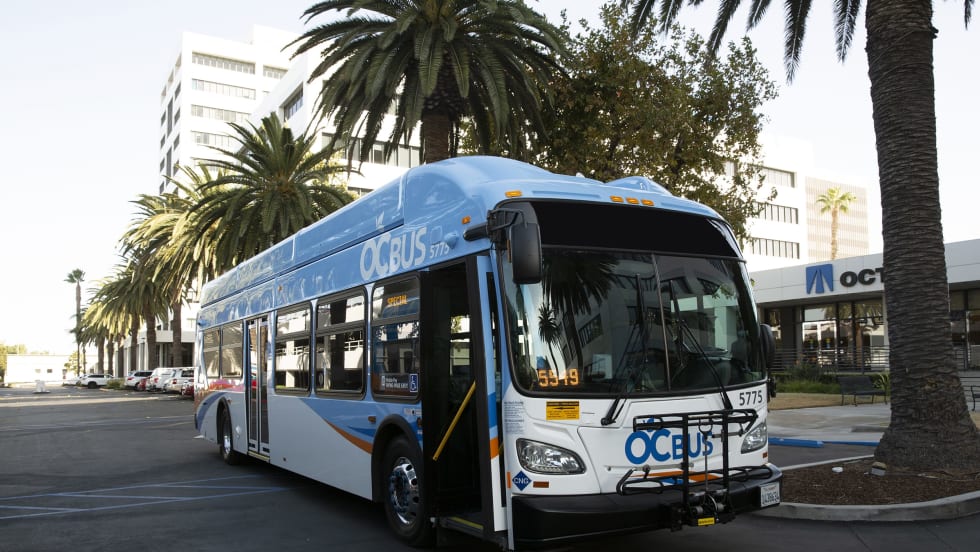
OCTA Approves $2 Billion Budget for FY 2026-27, Prioritizing Transit Investments
More than half of the agency’s upcoming spending plan is dedicated to transit as OCTA balances infrastructure investment with fiscal stability.
Read More →
Joshua Schank on Transportation Innovation, Risk, and the Future of Mobility
In this edition of METROspectives, Joshua Schank discusses lessons from launching LA Metro’s Office of Extraordinary Innovation, the challenges of advancing new mobility technologies, and much more.
Read More →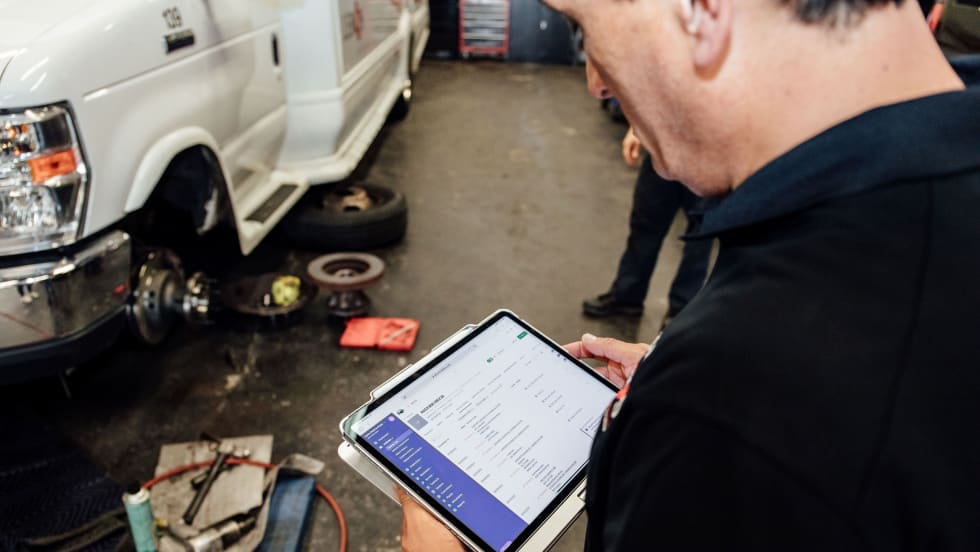
Reinventing Fleet Maintenance with Real-time Visibility and AI
Transit leaders need to know what needs fixing, where to look, who is responsible, when work is completed, and what it costs without having to chase information across disconnected systems.
Read More →
Alstom Acquires Delaware Site to Support Amtrak NextGen Acela Fleet
The company is investing more than $55 million to acquire and improve the property and will employ approximately 100 people at this site once it is operational.
Read More →
SamTrans Sets Priorities for Potential Connect Bay Area Revenue
The board-approved framework allocates future funding to maintaining service, rider improvements, equity initiatives, and infrastructure repairs.
Read More →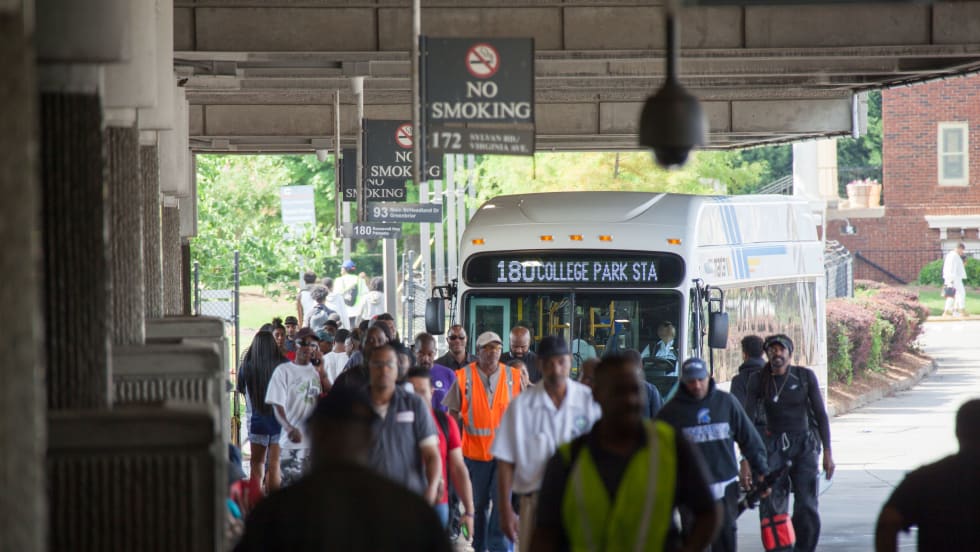
Federal Transit Officials Launch MARTA Safety Probe
FTA has given MARTA 15 days to provide records on crime prevention, fare evasion enforcement, and security funding as part of a broader safety investigation.
Read More →
ABA's Ferguson Testifies in Support of BUS Act, National Standards for Bus Operators
The BUSES Act would create a nationwide framework preventing state and local governments from enforcing bus idling restrictions of less than 15 minutes, a threshold consistent with existing Environmental Protection Agency guidance.
Read More →
When Routine Fails: How Public Transit Must Adapt for the World Cup
The 2026 FIFA World Cup will test transit agencies’ ability to manage unpredictable travel patterns, making real-time data and operational flexibility critical to moving millions of visitors efficiently.
Read More →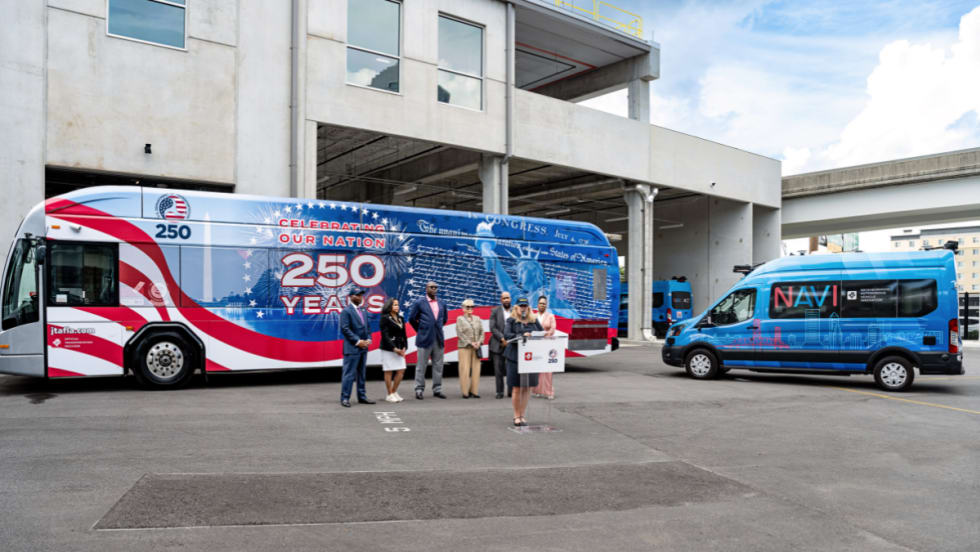
Florida’s JTA Puts Innovation in Motion Ahead of America250
The agency unveiled a commemorative America250 bus during a visit from U.S. DOT's Seval Oz and showcased its autonomous mobility programs.
Read More →
California Selects Team for Nation’s First True High-Speed Rail Track and Systems Contract
The board action follows completion of track installation at the 150-acre southern railhead in Kern County, which will serve as the staging and distribution hub for high-speed track and systems installation.
Read More →