



When Routine Fails: How Public Transit Must Adapt for the World Cup
The 2026 FIFA World Cup will test transit agencies’ ability to manage unpredictable travel patterns, making real-time data and operational flexibility critical to moving millions of visitors efficiently.
The World Cup’s uniqueness comes with significant challenges for transit managers and agency leadership.
METRO
- The 2026 FIFA World Cup presents a challenge for transit agencies to handle unexpected travel demands.
- Real-time data will be essential for adapting to frequent and last-minute changes in transport needs.
- Operational flexibility is crucial for efficiently moving millions of event attendees.
*Summarized by AI
For public transit agencies, the biggest transportation challenge surrounding the 2026 World Cup will not simply be moving more people. It will be moving people who do not behave like everyday riders.
Over the course of the tournament, millions of international visitors will travel through unfamiliar transit systems across 16 US host cities.
Unlike routine commuters, many fans will be navigating stations, transfers, ticketing systems, and first- and last-mile connections for the first time. They’ll often be traveling at unusual hours and in concentrated surges tied to match schedules.
That shift matters because public transit systems are built around routine rider behavior.
Agencies rely on predictable commuting patterns and established peak travel periods to keep systems operating efficiently. The World Cup will disrupt those assumptions, forcing transit leaders to manage a level of uncertainty that most US systems rarely encounter.
More importantly, it will reveal how prepared public transit agencies are to respond when familiar travel patterns no longer apply.
Unique Events Presenting Unique Challenges for Transit Managers
The World Cup’s uniqueness comes with significant challenges for transit managers and agency leadership.
The majority of visitors will be international, navigating unfamiliar cities and transportation systems.
Unlike routine commuters, many fans will navigate transit networks without the local knowledge or travel patterns agencies typically rely on to manage demand efficiently. That dynamic introduces a level of unpredictability most public transportation systems were not designed to handle.
Transit system leaders are facing a threefold problem of unpredictability: scale, timing, and clustering.
The last two World Cups drew massive crowds: one million visitors in Qatar and three million in Russia.
This summer’s World Cup is expected to attract anywhere from 1.25 to 10 million visitors. Public transit leaders will be tasked with moving an unusually large number of people through systems not designed for such scale.
To further complicate logistics, roughly two-thirds of the Cup’s 104 matches will take place on weekdays, beginning in the early afternoon, before normal peak travel times. This unusual schedule will put pressure on nearly every aspect of transportation networks: roadways, ride-hailing services, and especially public transit, requiring a high degree of coordination among agency leaders.
Some matches, though, will collide with peak commute times, forcing transit system managers to deal with a mix of traditional commuters and unfamiliar soccer fans trying to navigate unfamiliar systems, all during the peak travel times.
There will also be times when this large number of unfamiliar users disrupts commuting routines.
Some World Cup sites, like Boston, have suburban stadiums, which means that during rush hour, systems will be moving both fans and commuters to and from urban centers and out to suburban destinations. International fans, too, often arrive in concentrated bursts, unlike routine commuters or hometown fans, who usually arrive at venues over time.
The World Cup is set to show us which systems are prepared for unpredictability, and which are not. To function effectively, public transit leaders will need a precise, real-time picture of how users behave under unfamiliar transportation conditions.
The Problem of Unpredictability
Each US host city is about to encounter unpredictability, and public transit is already bearing the brunt of these problems. Those systems’ efficiency is predicated on predictable user behavior, predictable travel times and destinations, and the normal ebbs and flows of commuters. In other words, public transit systems are built for routine commuters.
The World Cup will fundamentally disrupt routine transit use, so transit managers and leadership will need a new way of managing unpredictability.
Moving large numbers of people through small, dense spaces requires predictable patterns.
Static assumptions public transit systems might have about peak traffic times, patterns, and popular corridors will quickly fall apart when those systems have to accommodate massive amounts of non-local fans traveling to places and times outside of normal routines.
We saw examples of this unpredictability when Houston hosted the 2025 Gold Cup quarterfinal.
International fans behaved in ways that upended predictions from past events.
For instance, traffic congestion preceding NFL games usually builds up gradually. But during the Gold Cup, fans clustered in unusual ways, causing congestion to spike from 2 p.m. to 4 p.m. and directly stressing last-mile transit corridors. Fans from non-local areas also caused I-45 northbound traffic to double compared with NFL games.
Similar changes to weekday World Cup matches would clash with end-of-day commuter demand, compounding pressure on public transit systems.
One thing Houston showed transit managers in World Cup cities is this: historical patterns won’t prepare transit systems for World Cup unpredictability.
Leaders Need Data

Public transit leadership must embrace the unpredictable to prepare for a future unlike anything we’ve seen before.
SFRTA
To manage unpredictability, public transit leaders and managers need to know exactly what is happening in real time. The best way to get this insight is through real-time mobility data.
Historical data and models have no equivalent for what is about to hit US host cities. Leaders and managers need real-time data to help them act dynamically to emerging situations in transportation networks.
The continuous insights from real-time data give cities a dynamic understanding of how transportation networks are performing from moment to moment, helping them better allocate public transit resources such as buses, light rail, and shuttle services when World Cup crowds collide with peak commute times. It also helps planners, managers, and leaders accommodate visitors who lack local knowledge and might behave outside of expected norms.
Building a public transit system that responds in real time is important this summer. But managing unpredictability will be a challenge for all transit agency professionals.
The Future is Unpredictable
How public transit leaders handle the unpredictability of the World Cup will show stakeholders how their systems will handle future unpredictability.
We are seeing rapid and fundamental changes in our world, from how we move people across cities to where populations are concentrated.
Public transit leaders will increasingly be called on to manage growing unpredictability. Already, many cities have seen climate events, sudden changes in economic conditions, and a global pandemic, shifting historical models from the predictable to the unpredictable.
The implications are clear. Transit planners and managers can’t rely on historical data and past patterns. The pace and scale of change mean that transit agency professionals will all be tasked with solving unforeseen problems that require new and better tools.
The challenge of public transit used to be designing for efficiency. The sector’s new challenge will be managing unpredictability. Public transit leadership must embrace the unpredictable to prepare for a future unlike anything we’ve seen before.
About the Author: Ahmed Darrat is a trained Transportation Engineer with over 20 years of experience in transportation policy, operations, and technology. At INRIX, Darrat leads the product management team, which is responsible for delivering data and SaaS applications in the curbside, location intelligence, safety, and traffic operations verticals.
Quick Answers
The 2026 FIFA World Cup is significant for transit agencies because it will challenge them to handle unpredictable travel patterns and effectively manage the transportation of millions of visitors, requiring enhanced operational strategies.
*Summarized by AI
More Management
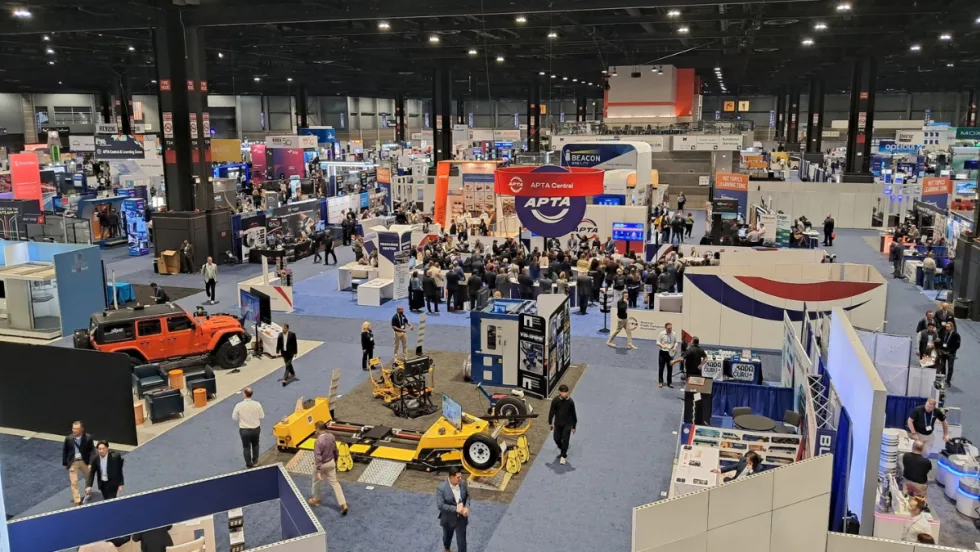
APTA 2026 TRANSform & EXPO Kicks Off in Chicago
After 45 years, APTA returns to Chicago with a focus on next-generation fleets, AI, connected transit networks, and the funding strategies shaping public transportation’s future.
Read More →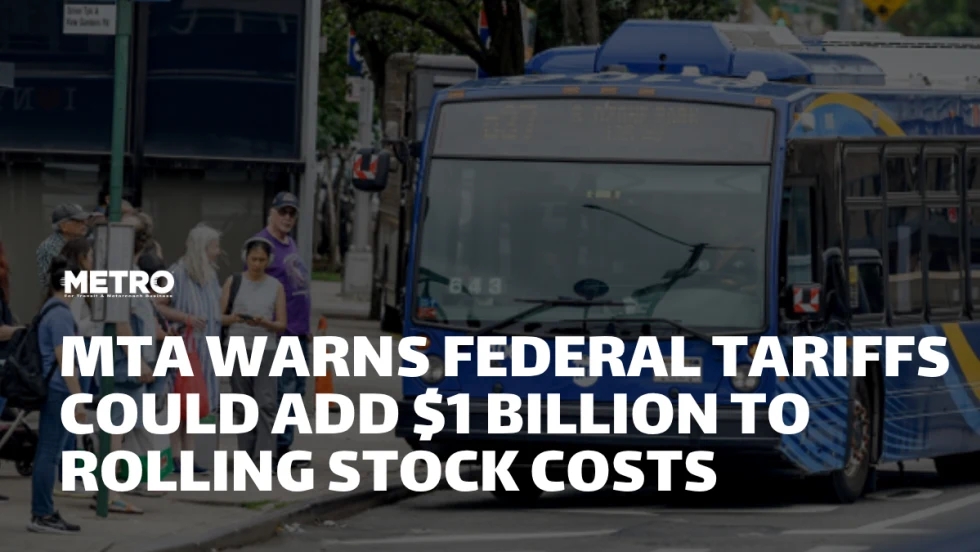
New York MTA Warns Federal Tariffs Could Add $1 Billion to Rolling Stock Costs
The agency said tariffs on specialized imported components could reduce the purchasing power of its $23 billion investment in new subway cars, railcars, and buses.
Read More →
From the Show Floor: What’s Happening at APTA TRANSform & EXPO 2026
Follow the latest product launches, partnerships, technology updates, and transit industry announcements coming out of APTA TRANSform & EXPO in Chicago.
Read More →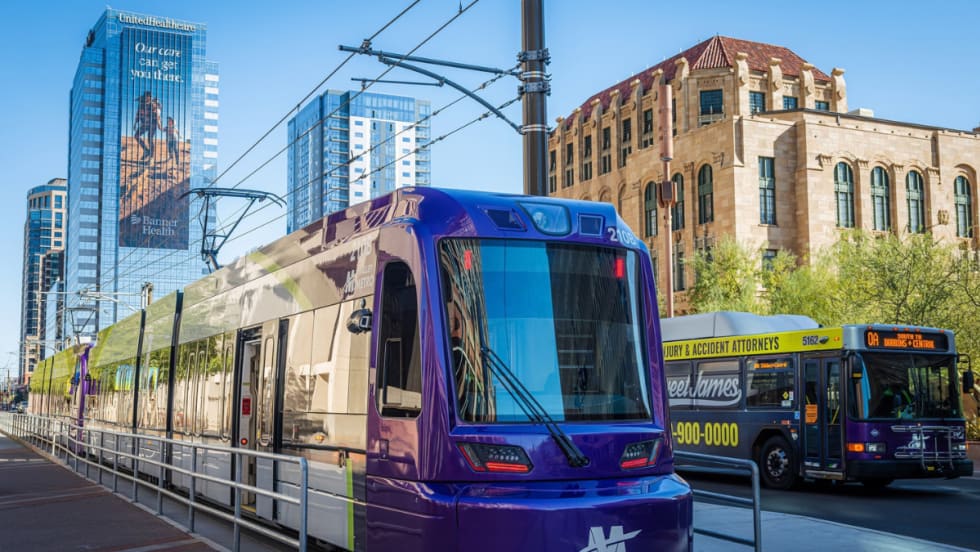
How Valley Metro Is Balancing Transit Growth With the Rider Experience
The APTA award-winning agency is pairing rapid system expansion with investments in workforce, safety, technology, and the fundamentals of transit service.
Read More →
Bus Tech Talk: Keeping Transit Technicians Ahead of the Technology Curve
In this episode of Bus Tech Talk, Complete Coach Works’ Business Development Manager Mark Hollenbeck and METRO’s Executive Editor Alex Roman sit down with Obed Mejia, Senior Technical Trainer for Bus Maintenance, at LA Metro to discuss how rapidly evolving bus technology is changing the maintenance shop — and the skills technicians need to keep pace.
Read More →
Michael Schneider Joins Paslay Group to Expand Transportation Practice
The longtime transportation executive will help Paslay Group grow its advisory and program management work across transit, highway, and other infrastructure sectors.
Read More →
People Movement: Connectpoint Expands Leadership Team, Stadler Names New Group CEO, and More
In this edition, we also spotlight recent personnel moves at Burns, UZURV, and more, highlighting the people taking on new roles across the transportation industry.
Read More →
More Than a Summer Job: Building the Next Generation of Transit Talent
The Delaware River Port Authority and PATCO have transformed their internship program into a hands-on professional development experience that introduces students to the breadth of transportation careers — and creates a pipeline for future employees.
Read More →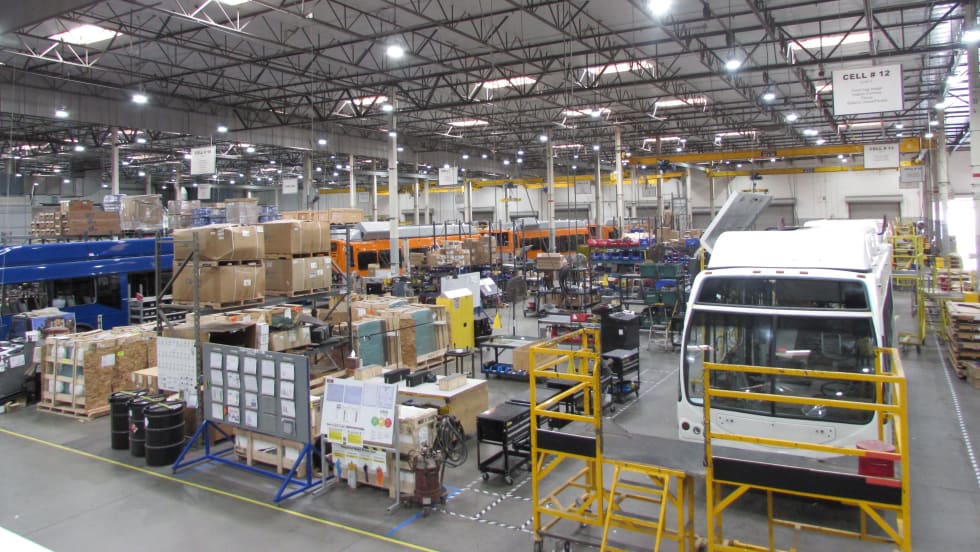
LA Metro Board Awards 220 Battery-Electric Bus Contract to ENC
The contract, which is the largest base award of battery-electric buses by a U.S. transit agency, will be built in Southern California, sustaining good jobs as LA prepares to welcome the world in 2028
Read More →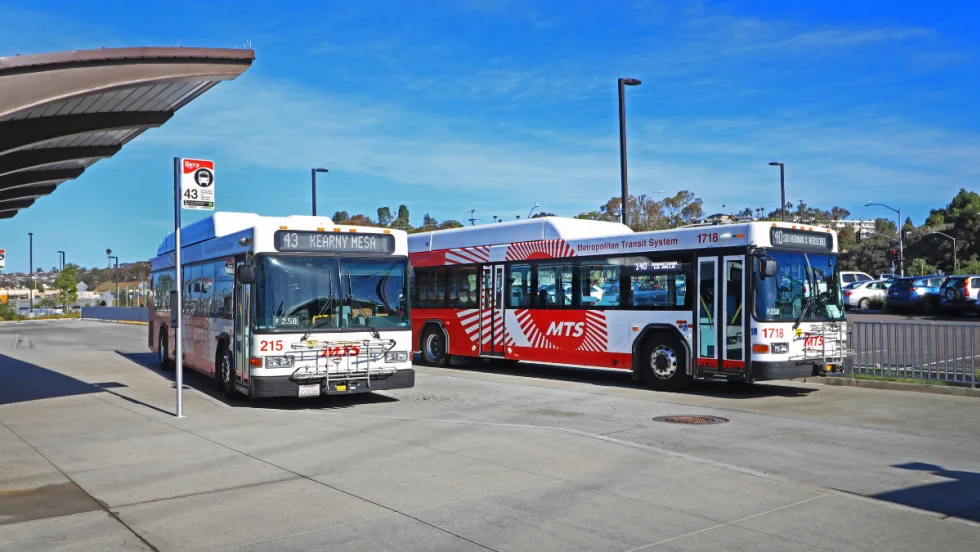
What’s Behind San Diego MTS’s Award-Winning Transit Strategy
Named one of APTA’s 2026 Outstanding Public Transportation Systems with 50 million or more annual passenger trips, California’s San Diego Metropolitan Transit System points to gains in ridership, safety, technology, and reliability as foundations of its success.
Read More →