



Reinventing Fleet Maintenance with Real-time Visibility and AI
Transit leaders need to know what needs fixing, where to look, who is responsible, when work is completed, and what it costs without having to chase information across disconnected systems.
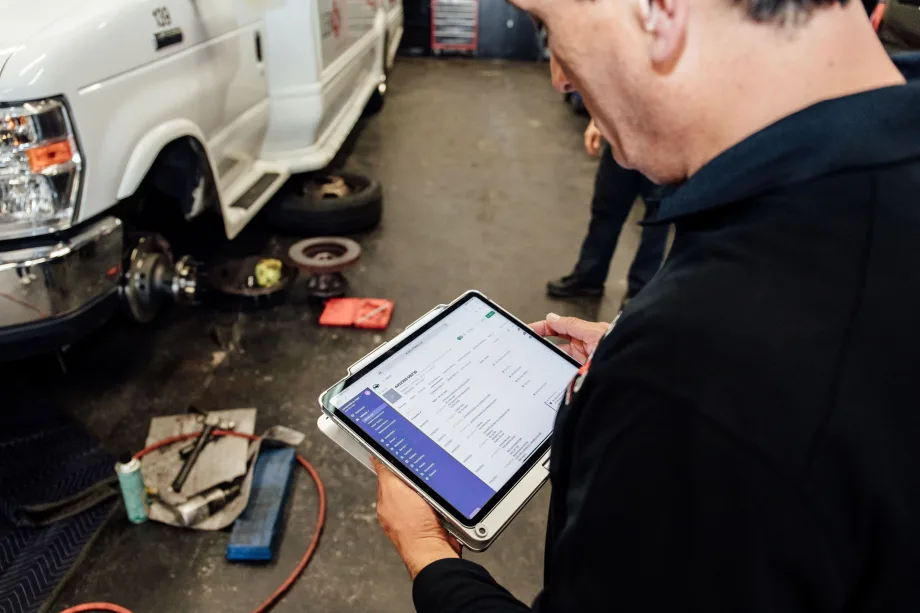
Most fleet systems in use today were not built to evolve alongside modern transit demands.
Fleetio
- Real-time visibility allows transit leaders to efficiently identify and address fleet maintenance needs.
- Integration of AI in fleet management systems helps pinpoint responsibilities and track maintenance progress.
- Centralized information eliminates the need for leaders to chase data across disconnected systems, streamlining cost assessment and repair completion.
*Summarized by AI
Maintenance is the foundation of service reliability and rider trust for transit fleets. Still, when it’s treated as an afterthought or an add-on system, the consequences affect the entire operation. Missed service, increased road calls, higher costs, and safety risks all stem from a lack of clarity and coordination.
Transit leaders need to know what needs fixing, where to look, who is responsible, when work is completed, and what it costs without having to chase information across disconnected systems. That level of control requires data to be located in a single platform designed to run maintenance as a core operational function.
Why Traditional Models Break Down at Scale
Many transit organizations still rely on manual or legacy approaches to try to connect internal teams with external vendors and service providers.
While workable in smaller or less complex operations, these models introduce variability as fleets grow, making scalability and fiscal responsibility challenging, especially since information often arrives after the fact. Maintenance records may be incomplete or delayed, making it difficult to standardize performance across locations. This lack of visibility creates operational risk.
Most fleet systems in use today were not built to evolve alongside modern transit demands.
Even small changes, such as new service routes, electrification initiatives, shifting ridership patterns, and rising repair expenses, can disrupt workflows, leading to a reactive maintenance culture where teams spend more time chasing updates than preventing issues. If everything lives in silos and side conversations, nothing moves forward efficiently, and ultimately, the rider experience suffers.
One Platform to Align Teams and Keep Service Moving
Transit vehicles move constantly, and conditions and routes can change in real time. When the fleet moves, the entire transit system, along with the communities it serves, moves with it.
To keep pace, agencies need to run their fleet operations from a single location. A unified maintenance and optimization platform brings together work orders, inspections, parts usage trends, vendor coordination, and cost tracking into a single environment, helping ensure maintenance, operations, and finance teams are working from the same source of information.
When teams stay aligned, decisions move faster, and work gets completed with greater accountability, whether it’s done in-house or by a third-party shop. This allows fleets to move away from simply reacting to breakdowns or delays and instead proactively address smaller issues before they escalate.
Managing maintenance in a system that meets agencies where they are while adapting to their operational realities creates a resilience much needed in general, but also in times of economic uncertainty and price hikes.
In short, it allows transit organizations to scale service without losing control.
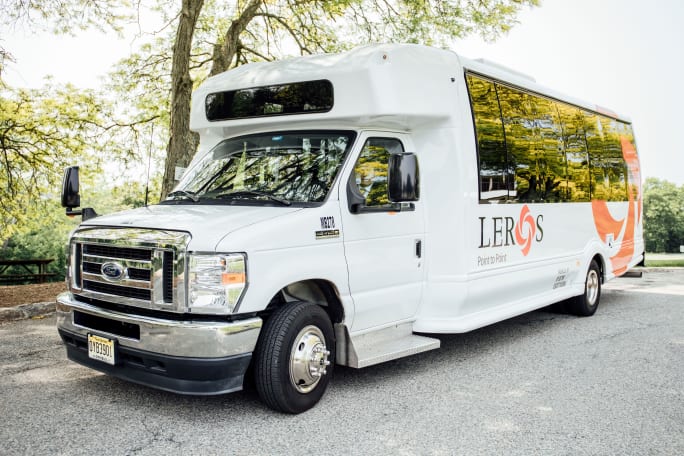
Many conversations in the industry today center on artificial intelligence, yet adoption remains limited, not because agencies lack interest, but because the technology often fails to address real operational challenges.
Fleetio
Cutting Through the Noise
Transit agencies are no strangers to data, from telematics and inspection reports to maintenance logs. Information is abundant, but not all tools can act on that data, and fleets don’t always have the time or administrative overhead to analyze the data available.
According to a 2026 fleet benchmark report, 25.9% of fleets surveyed reported manual entry took between one to two hours per week, while 24.1% reported two to four hours, 21.3% reported four to eight hours, and 13.8% reported upward of 16 hours. If that’s the time it takes to enter data, how much more time is spent making actionable sense of it?
“While data is necessary to run a fleet successfully and cost-effectively, it can lead to an increasingly noisy environment,” explained Richard Beemer, data analyst at Fleetio. Fleets need tools that sharpen attention on the work that truly impacts uptime and safety, and they need the visibility and insight to improve cost control. This can be challenging, though, because fleets generate massive amounts of data, and without a way to really drill down into what that data means in practical terms, it can be all but useless.”
Many conversations in the industry today center on artificial intelligence (AI), yet adoption remains limited, not because agencies lack interest, but because the technology often fails to address real operational challenges.
The aforementioned benchmark report found that, of fleets surveyed, 35.1% of fleets are researching AI, while 23.8% are piloting or using AI. The desire and demand are there, but the trust may be lacking, which is a trend we often see with most new technologies.
Transit fleets don’t necessarily have an AI problem, though. New technologies, while all the rage, have to solve specific problems rather than be tack-on accessories. Fleets, in the majority of cases, face maintenance and operational problems, and that is where AI can be effectively deployed.
Practical Intelligence for Transit Operations
When used effectively, AI should function less as artificial intelligence and more as practical intelligence.
Rather than offering high-level insights or dashboards, practical intelligence is embedded directly into maintenance workflows, where decisions are made every day. It recognizes that no two transit operations are alike. Urban bus systems, rural transit providers, and motorcoach operators all have different service models, regulatory requirements, and risk tolerances. Effective technology must adapt to those differences.
Maintenance and optimization platforms act as the operating system for this intelligence. They interpret data and prioritize action items, helping fleets execute decisions consistently across the organization. This approach reflects a shift from a system of record to a system of intelligence and, when backed by more than a decade of real-world fleet data, it delivers recommendations grounded in operational context rather than generic assumptions.
Real-time Visibility is a Critical Advantage for Service Delivery
For transit agencies, real-time visibility is a competitive and operational necessity. Riders expect reliability, and agencies must deliver it under increasing pressure.
With real-time maintenance visibility, teams gain immediate insight into service timelines, completed work, and upcoming needs across the fleet, eliminating delays caused by fragmented communication and outdated records.
Instead of reconciling information after the fact, managers can monitor performance in real time.
Trends become visible, risks are identified earlier, and maintenance can be planned around service demands rather than disrupting them. This provides clarity that supports better decision-making at every level of the organization, from the maintenance shop floor to executive leadership.
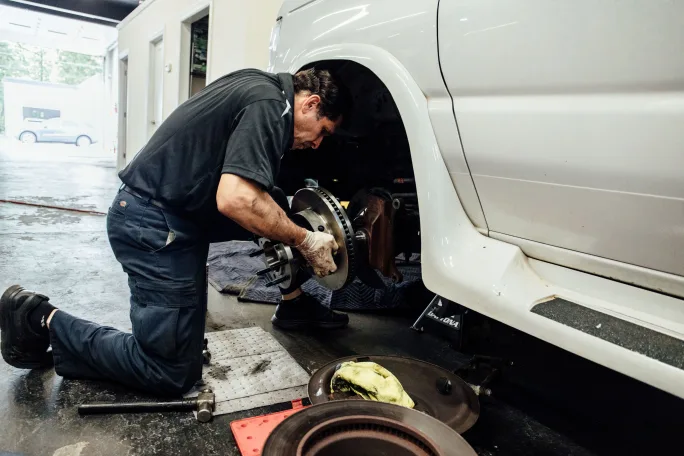
For transit agencies, maintenance must be centralized, visible in real time, and supported by practical intelligence that drives action, because when maintenance runs effectively, service improves.
Fleetio
AI that Works Where Decisions Happen
For AI to be meaningful in transit maintenance, it must operate within the flow of daily work rather than live as a separate analytical layer.
An AI Service Advisor within a maintenance and optimization platform serves as this embedded intelligence layer. It evaluates repairs and issues in context, considering both financial and operational implications. It highlights risk, assigns urgency, and helps teams prioritize effectively by reducing noise in maintenance decisions. It ensures that critical issues receive attention while routine work is handled efficiently. It can apply agency-specific standards consistently across all maintenance activities and even automate low-risk approvals for work that falls within policy, resulting in faster decision-making and fewer errors without adding complexity to already stretched teams.
Building the Future of Transit Maintenance
Public transportation continues to evolve, with increasing demands for efficiency and reliability.
As agencies modernize fleets and adopt new technologies, maintenance operations must evolve as well. Reinventing fleet maintenance requires building a unified system that brings clarity, alignment, and intelligence to the heart of operations.
For transit agencies, maintenance must be centralized, visible in real time, and supported by practical intelligence that drives action, because when maintenance runs effectively, service improves. The entire transit system moves forward with confidence.
About the Author: Rachael Plant is a senior content marketing specialist for Fleetio, a fleet maintenance and optimization platform that helps organizations run, repair, and optimize their fleet operations
Quick Answers
Real-time visibility is crucial in fleet maintenance because it allows transit leaders to efficiently monitor the condition and status of their assets, enabling quick identification and resolution of issues without sifting through disconnected systems.
*Summarized by AI
More Management
CATS Launches West Charlotte Microtransit Zone, Expands Transit Services
The new microtransit zone connects residents to key destinations as Charlotte Area Transit System rolls out the first phase of its 2055 Transit System Plan.
Read More →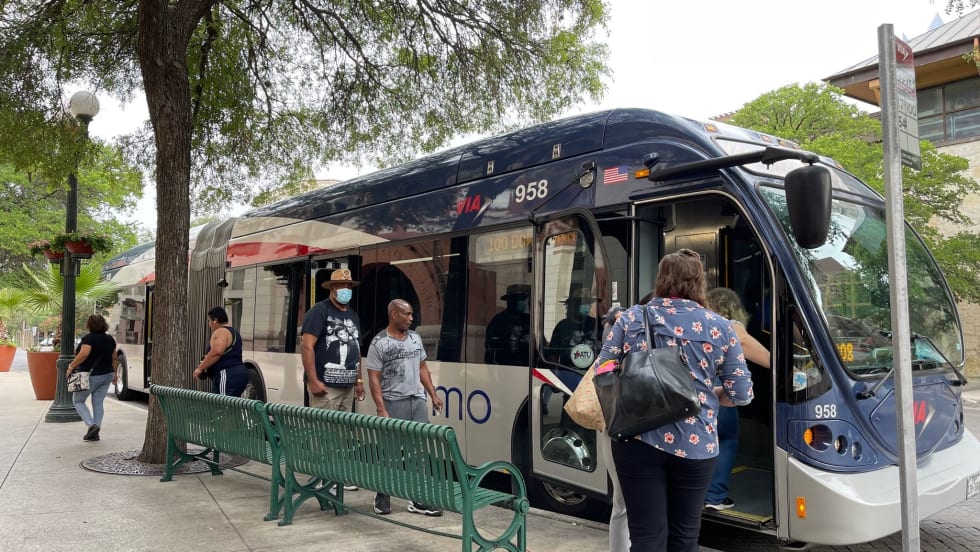
VIA Bus Ridership Grows 10.1% Through August 2026
San Antonio's VIA Metropolitan Transit reported the highest bus ridership growth among major Texas transit systems. Federal Transit Administration data ranked it second among the nation's 50 largest transit systems.
Read More →
CSA Group Releases Climate Resilience Standard for Transit, Passenger Rail
Developed with support from the Standards Council of Canada, CSA D700 guides assessing climate-related risks and planning adaptation measures for transit and passenger rail systems.
Read More →
ETA CEO John Maglio on Transit Technology, Innovation, and Building Agency Trust
ETA founder and CEO John Maglio explores the evolution of transit technology, the importance of reliable systems, and how stronger partnerships can help agencies improve operations and the passenger experience.
Read More →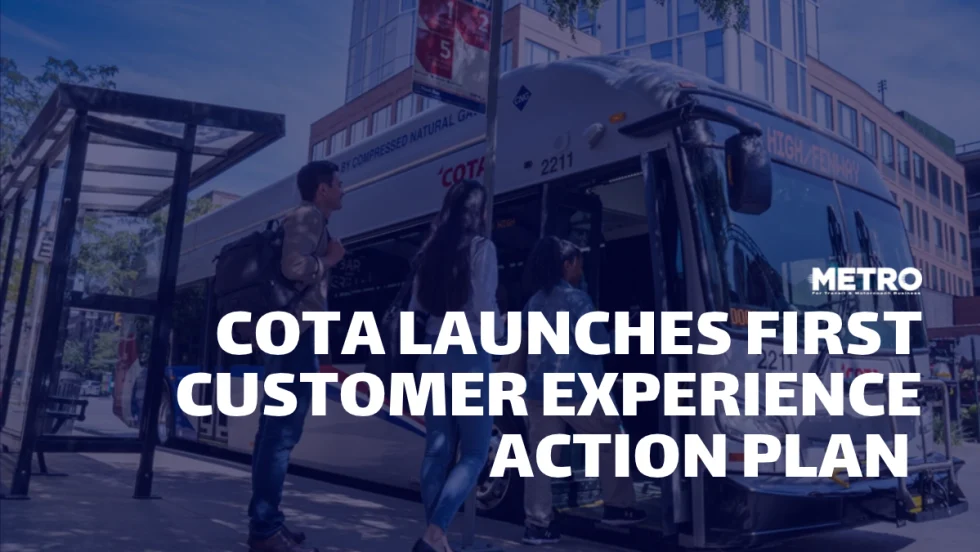
COTA Launches First Customer Experience Action Plan to Improve Transit Service
The new plan outlines improvements to service reliability, accessibility, communication, and the overall rider experience across Central Ohio's transit system.
Read More →
LA Metro September Ridership Climbs 3.9%, Led by Rail Growth
The agency recorded more than 27.2 million boardings, with rail ridership increasing 12.4% year over year and the D Line posting the largest gains.
Read More →
Utilimarc Launches SmartReplace to Optimize Fleet Replacement Decisions
AI-powered SmartReplace helps fleets prioritize vehicle replacements, model budget scenarios, and build more defensible long-term strategies.
Read More →
APTA Honors 2026 Award Winners, Hall of Fame Inductees at TRANSform & EXPO
Innovations in autonomous and zero-emission transportation, standout transit systems, and industry leadership took center stage among this year's honorees.
Read More →
7 Ways to Build a Better Transit Internship Program
Lessons from DRPA/PATCO’s approach to creating a meaningful internship experience—and developing the next generation of transportation professionals.
Read More →
Scenes from APTA TRANSform & EXPO 2026
Transit leaders, manufacturers, and industry professionals gathered in Chicago to explore new technologies, share ideas, and discuss the future of public transportation.
Read More →