



SamTrans Sets Priorities for Potential Connect Bay Area Revenue
The board-approved framework allocates future funding to maintaining service, rider improvements, equity initiatives, and infrastructure repairs.

If approved by voters, the potential 14-year, five-county Connect Bay Area sales tax measure would provide about $50 million annually in locally controlled funding for public transit in San Mateo County, for an estimated total of $700 million over the measure's life.
METRO
- The SamTrans board has approved a framework for allocating future funding.
- The funding priorities include maintaining service, rider improvements, equity initiatives, and infrastructure repairs.
- The board's decision focuses on improving service and addressing equity within the Bay Area.
*Summarized by AI
The board at California’s San Mateo County Transit District (SamTrans) adopted a local investment plan framework to guide how it would invest potential local funding generated by the Connect Bay Area sales tax ballot measure if voters approve it this November.
An independent group of citizens submitted the Connect Bay Area measure for the November 2026 ballot. If the measure qualifies and voters approve it, SamTrans would administer San Mateo County’s local transit funding under the board-adopted local framework.
Community Feedback
The local framework reflects several months of community outreach and stakeholder engagement focused on what San Mateo County residents want from future public transit investments. SamTrans held more than 30 presentations and meetings with cities and community groups and received 1,800 survey responses, along with hundreds of comments, that helped shape the plan.
The community feedback showed clear support for protecting current transit service, enhancing reliability and efficiency, expanding access for communities with limited service, and improving aging transit infrastructure. The board-adopted framework reflects those priorities.
“Residents told us they want SamTrans to protect the service people rely on today while planning responsibly for the future,” said SamTrans Board of Directors Chair Marie Chuang. “This framework is rooted in community input and gives us a clear way to invest potential local funds in a fiscally responsible way that is also responsive to community needs.”
The Connect Bay Area Measure
If approved by voters, the potential 14-year, five-county Connect Bay Area sales tax measure would provide about $50 million annually in locally controlled funding for public transit in San Mateo County, for an estimated total of $700 million over the measure's life. Those funds would remain in San Mateo County for public transit.
The board-adopted Local Investment Plan framework organizes that potential funding into four categories over the life of the measure:
- 45% to prevent cuts to existing public transit services.
- 30% to improve the rider experience and promote traffic reduction through reliable, efficient service, better bus stops, and last-mile service solutions.
- 20% to expand affordable transit access for underserved communities, including the coast and vulnerable populations.
- 5% to repair and maintain aging transit infrastructure, including bus stops and potholes on bus routes.
Protecting SamTrans service remains the board’s highest funding priority. Under the framework, SamTrans would use potential funding to help preserve and sustain existing public transit. SamTrans's post-COVID ridership recovery is robust, averaging nearly 100% of pre-pandemic levels, according to agency officials.
The plan also creates a path for improvements that residents said matter most to them, including faster and more reliable bus service, improved neighborhood coverage and east-west connections, cleaner and safer bus stops, continued support for free and reduced-fare programs, and better access for underserved communities, including coastal areas.
Potential projects identified through the planning process include bus stop improvements, real-time transit information at bus stops, transit signal priority, route improvements, paratransit investments, support for fare programs, first- and last-mile solutions for accessing public transit, and repairs to aging transit assets.
The framework also commits SamTrans to strong financial transparency and accountability measures. SamTrans will prioritize cost containment, accountability, and operational efficiency; provide regular board updates on Connect Bay Area spending; plan for long-range deficit recovery; evaluate new services based on performance; and make early investments in near-term, visible projects that can deliver results.
What’s Next?
SamTrans will calibrate the funding framework percentages about every three years based on current needs, conditions, and service performance.
The district will also continue pursuing grants and partnerships to help stretch local funds and deliver larger projects.
Quick Answers
The main priorities include maintaining service, implementing rider improvements, supporting equity initiatives, and performing infrastructure repairs.
*Summarized by AI
More Management
CATS Launches West Charlotte Microtransit Zone, Expands Transit Services
The new microtransit zone connects residents to key destinations as Charlotte Area Transit System rolls out the first phase of its 2055 Transit System Plan.
Read More →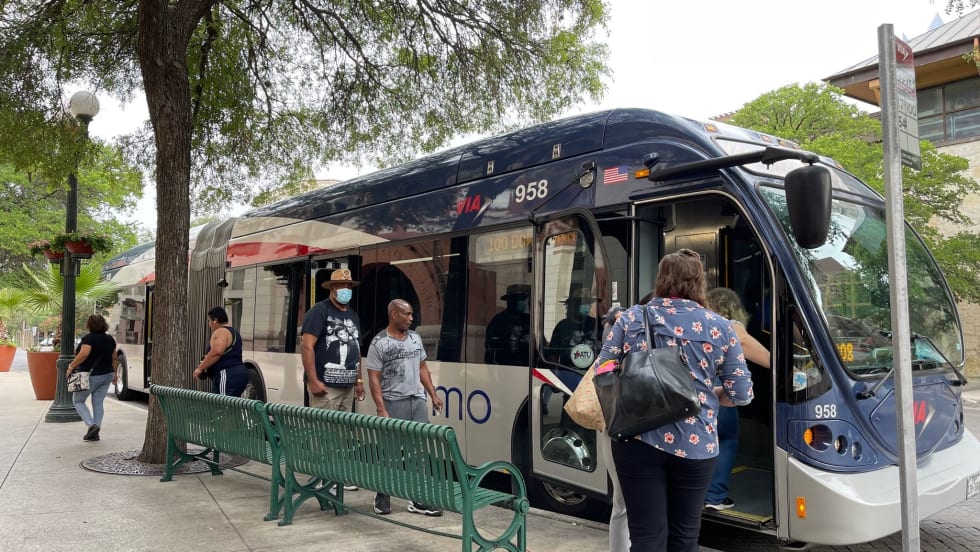
VIA Bus Ridership Grows 10.1% Through August 2026
San Antonio's VIA Metropolitan Transit reported the highest bus ridership growth among major Texas transit systems. Federal Transit Administration data ranked it second among the nation's 50 largest transit systems.
Read More →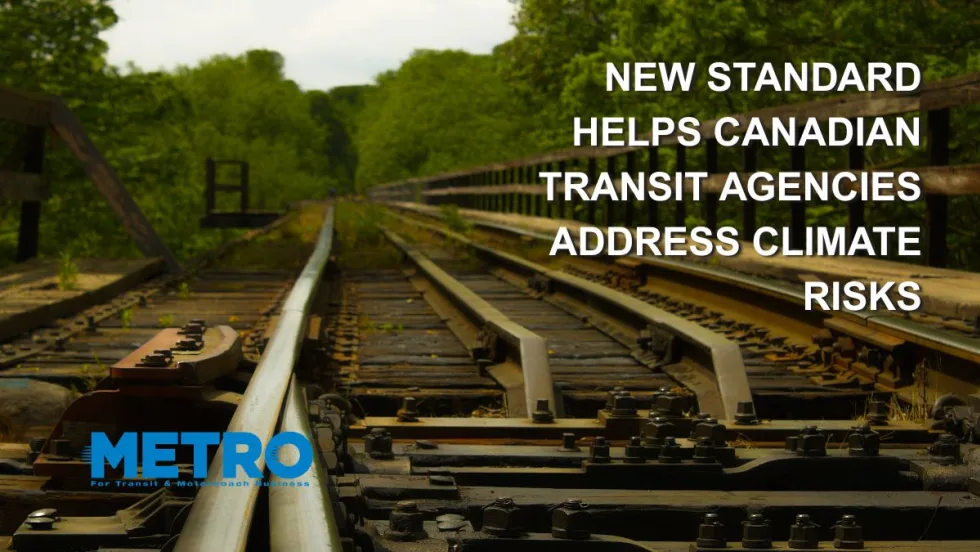
CSA Group Releases Climate Resilience Standard for Transit, Passenger Rail
Developed with support from the Standards Council of Canada, CSA D700 guides assessing climate-related risks and planning adaptation measures for transit and passenger rail systems.
Read More →
ETA CEO John Maglio on Transit Technology, Innovation, and Building Agency Trust
ETA founder and CEO John Maglio explores the evolution of transit technology, the importance of reliable systems, and how stronger partnerships can help agencies improve operations and the passenger experience.
Read More →
COTA Launches First Customer Experience Action Plan to Improve Transit Service
The new plan outlines improvements to service reliability, accessibility, communication, and the overall rider experience across Central Ohio's transit system.
Read More →
LA Metro September Ridership Climbs 3.9%, Led by Rail Growth
The agency recorded more than 27.2 million boardings, with rail ridership increasing 12.4% year over year and the D Line posting the largest gains.
Read More →
Utilimarc Launches SmartReplace to Optimize Fleet Replacement Decisions
AI-powered SmartReplace helps fleets prioritize vehicle replacements, model budget scenarios, and build more defensible long-term strategies.
Read More →
APTA Honors 2026 Award Winners, Hall of Fame Inductees at TRANSform & EXPO
Innovations in autonomous and zero-emission transportation, standout transit systems, and industry leadership took center stage among this year's honorees.
Read More →
7 Ways to Build a Better Transit Internship Program
Lessons from DRPA/PATCO’s approach to creating a meaningful internship experience—and developing the next generation of transportation professionals.
Read More →
Scenes from APTA TRANSform & EXPO 2026
Transit leaders, manufacturers, and industry professionals gathered in Chicago to explore new technologies, share ideas, and discuss the future of public transportation.
Read More →