



Transportation for Athens Olympics deemed success
After earlier concerns, Athens officials declared public transit during the Olympics a success, as ridership increased 90% over the same period last year.

Calling the public transportation system during the summer Olympics a success, the Greek government unveiled plans to maintain some services in an effort to increase the public's use of the system.
More than 3.5 million people used the system during the Olympic Games, up 90% from the same period last year. Some 30% of Athenians use the public transport system to get about daily, reported Greek newspaper, the Kathimerini. The government aims to have 50% of Athenians using the public transportation system, from the current 30%.
Transport Minister Michalis Liapis said that public transportation was a success during the Olympic Games and noted that the government would continue to improve the daily life of Athenians. "We have inherited so much, there is infrastructure and the political will to make Athens a more accessible, more human city, using its integrated transportation network," he said.
The Piraeus-Kifissia electric railway saw its traffic triple during the Olympics, carrying more than 650,000 passengers daily, while traffic on the Metro doubled to 700,000. Athens' bus network saw a 40% increase with 1.8 million passengers daily. The two new additions to Athens' transport system, the Proastiakos suburban railway and the tram, carried 650,000 and 1 million passengers, respectively, over the 17-day period, the paper said.
The ministry's plan to boost the number of people using the system includes keeping all rail line services —the Metro, suburban railway and electric trains — running until 2 a.m., and coordinating traffic lights to give the tram system priority over other traffic. The Transport Ministry would also maintain the operation of a single management agency for public transportation, a 24-hour customer service line and a number of Olympic bus lines. In addition, certain bus and trolley lines would run 24 hours a day.
With the end of the Athens games, the torch has been passed to Beijing. Readying itself to host the 2008 Olympics, the city has vowed to unveil a cleaner, greener city for the event. As part of the new plan to battle pollution, Beijing authorities have pledged to put 4,000 natural gas buses on the streets by 2008.
Because there are few special fueling stations available in the region, only 20% of the total fleet operated by the Beijing Public Transportation Corp. (BPTC) will be alternative-fueled, reported Channel News Asia (CNA).
Land shortages and public fears of compressed natural gas as being unsafe have made it difficult for the system to build more fuel stations, BPTC Vice General Manager Feng Xingfu told CNA.
More Management
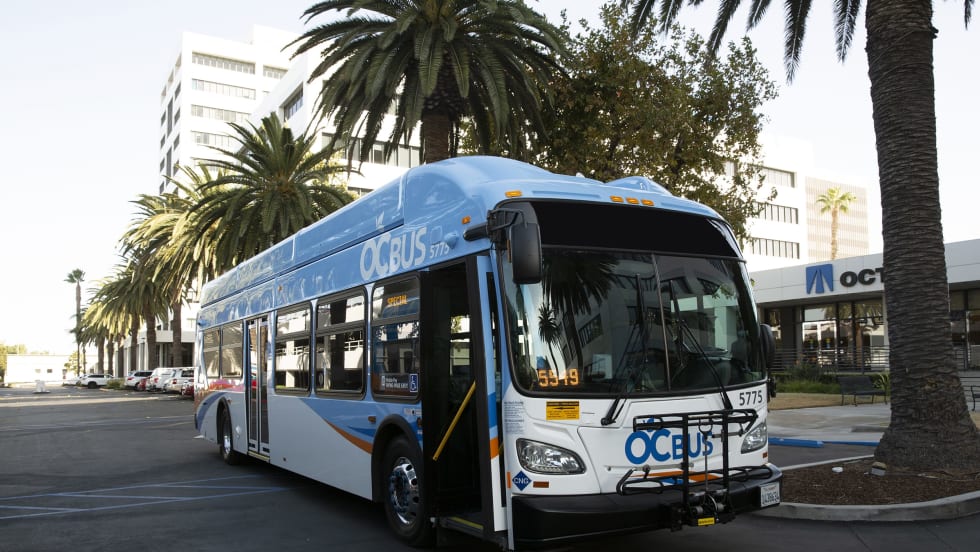
OCTA Approves $2 Billion Budget for FY 2026-27, Prioritizing Transit Investments
More than half of the agency’s upcoming spending plan is dedicated to transit as OCTA balances infrastructure investment with fiscal stability.
Read More →
Joshua Schank on Transportation Innovation, Risk, and the Future of Mobility
In this edition of METROspectives, Joshua Schank discusses lessons from launching LA Metro’s Office of Extraordinary Innovation, the challenges of advancing new mobility technologies, and much more.
Read More →
Reinventing Fleet Maintenance with Real-time Visibility and AI
Transit leaders need to know what needs fixing, where to look, who is responsible, when work is completed, and what it costs without having to chase information across disconnected systems.
Read More →
Alstom Acquires Delaware Site to Support Amtrak NextGen Acela Fleet
The company is investing more than $55 million to acquire and improve the property and will employ approximately 100 people at this site once it is operational.
Read More →
SamTrans Sets Priorities for Potential Connect Bay Area Revenue
The board-approved framework allocates future funding to maintaining service, rider improvements, equity initiatives, and infrastructure repairs.
Read More →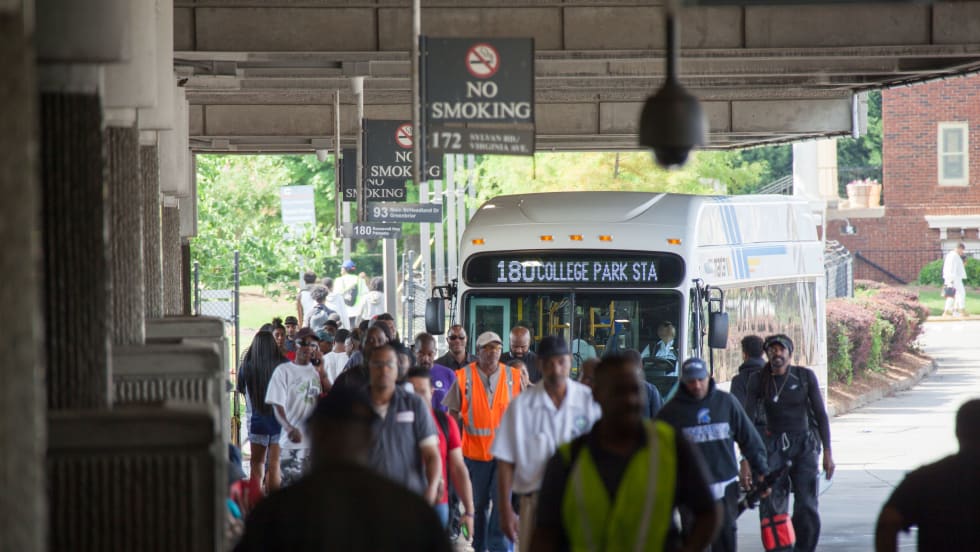
Federal Transit Officials Launch MARTA Safety Probe
FTA has given MARTA 15 days to provide records on crime prevention, fare evasion enforcement, and security funding as part of a broader safety investigation.
Read More →
ABA's Ferguson Testifies in Support of BUS Act, National Standards for Bus Operators
The BUSES Act would create a nationwide framework preventing state and local governments from enforcing bus idling restrictions of less than 15 minutes, a threshold consistent with existing Environmental Protection Agency guidance.
Read More →
When Routine Fails: How Public Transit Must Adapt for the World Cup
The 2026 FIFA World Cup will test transit agencies’ ability to manage unpredictable travel patterns, making real-time data and operational flexibility critical to moving millions of visitors efficiently.
Read More →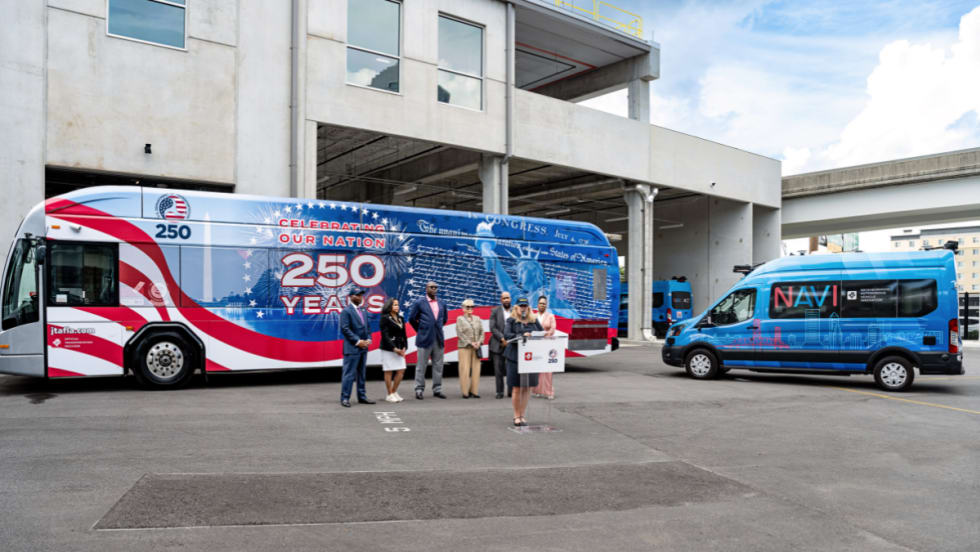
Florida’s JTA Puts Innovation in Motion Ahead of America250
The agency unveiled a commemorative America250 bus during a visit from U.S. DOT's Seval Oz and showcased its autonomous mobility programs.
Read More →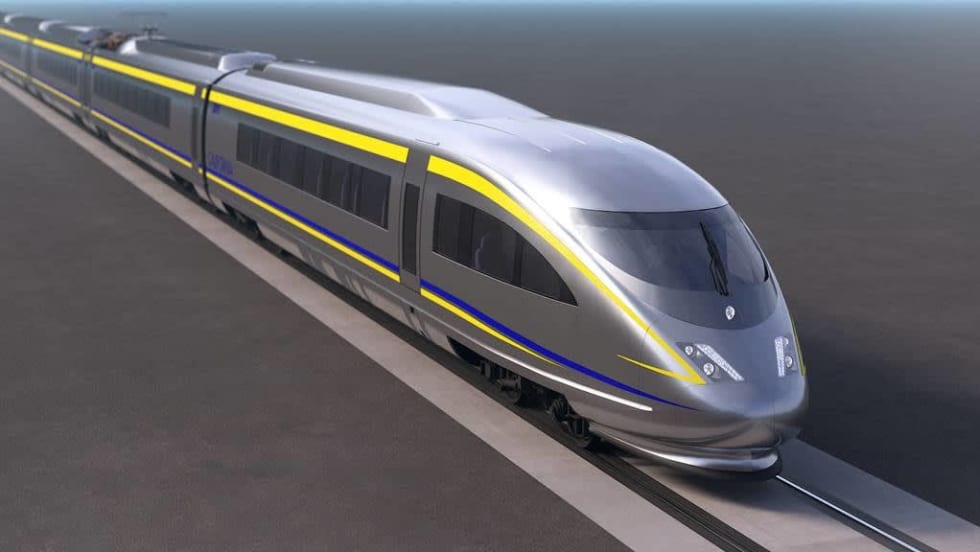
California Selects Team for Nation’s First True High-Speed Rail Track and Systems Contract
The board action follows completion of track installation at the 150-acre southern railhead in Kern County, which will serve as the staging and distribution hub for high-speed track and systems installation.
Read More →