



Stimulus funds help U. of Ark. expand service
Last year Razorback Transit applied for and received federal grants to buy five new 40-foot, low-floor transit buses, which are now in service on campus.

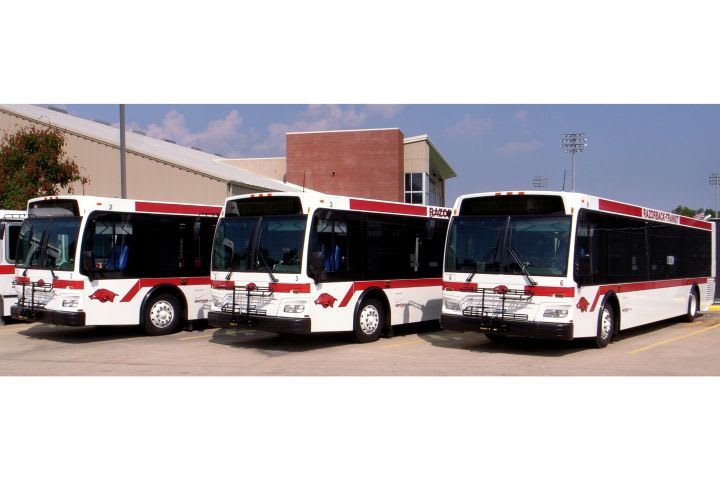
These Orion VIIs, purchased with stimulus funds, were put into service in August.
[IMAGE]NewOrions-2.jpg[/IMAGE]FAYETTEVILLE, Ark. — University of Arkansas' Razorback Transit is offering improved and expanded bus service for the 2010-11 school year. Last year Razorback Transit applied for and received federal grants to buy five new 40-foot, low-floor transit buses, which are now in service on campus.
These buses replaced older, smaller and less efficient buses. The three most recently purchased buses are Orion VIIs, purchased with stimulus funds and put into service in August, says Razorback Transit Manager Michael Seither.
Razorback Transit now has nine full-size, low-floor buses in operation, bringing the total to 16 buses in daily use. Bus ridership numbers for fiscal year 2010 reached a new high of 1,564,762 passenger boardings, and those numbers are expected to increase again this year. Razorback Transit service is fare free to the university community as well as to members of the general public because it is funded in part by federal grants.
Razorback Transit is also increasing its service to provide coverage to Fair Park Apartments on both Gray and Blue Reduced Routes. Service hours are also increasing on the Maple Hill Express to coordinate with the opening of the university's new Garland Center, which contains the university bookstore, retail space and more than 1,500 parking spaces.
Razorback Transit operates a paratransit service for eligible passengers with mobility impairments that prevent them from using fixed route bus services. The paratransit fleet has been upgraded with a new vehicle each year for the past four years, replacing two-thirds of the fleet with new equipment. Paratransit service transported 10,939 passengers in FY 2010.
More Bus

Joshua Schank on Transportation Innovation, Risk, and the Future of Mobility
In this edition of METROspectives, Joshua Schank discusses lessons from launching LA Metro’s Office of Extraordinary Innovation, the challenges of advancing new mobility technologies, and much more.
Read More →
Reinventing Fleet Maintenance with Real-time Visibility and AI
Transit leaders need to know what needs fixing, where to look, who is responsible, when work is completed, and what it costs without having to chase information across disconnected systems.
Read More →
SamTrans Sets Priorities for Potential Connect Bay Area Revenue
The board-approved framework allocates future funding to maintaining service, rider improvements, equity initiatives, and infrastructure repairs.
Read More →
When Routine Fails: How Public Transit Must Adapt for the World Cup
The 2026 FIFA World Cup will test transit agencies’ ability to manage unpredictable travel patterns, making real-time data and operational flexibility critical to moving millions of visitors efficiently.
Read More →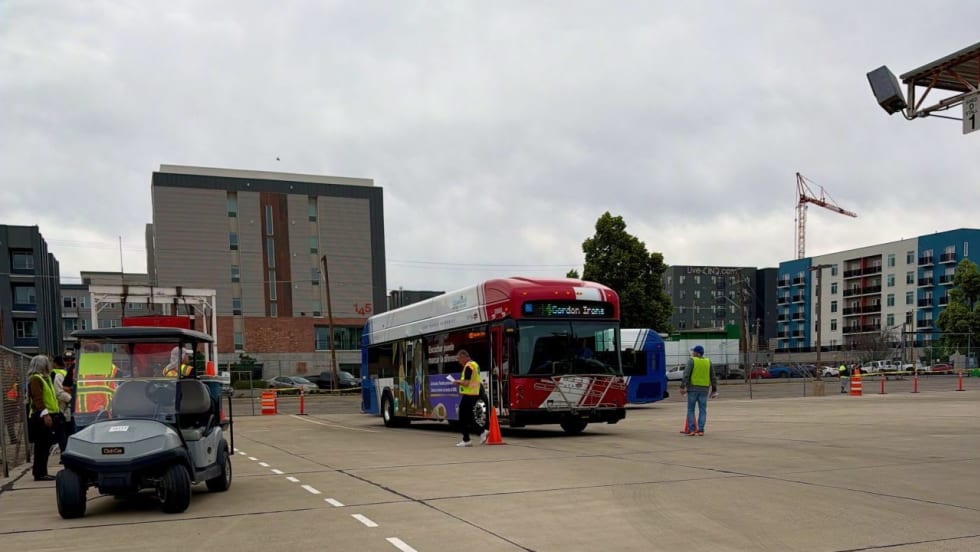
Photo Highlights from APTA's 2026 Mobility Conference
The photo gallery captures scenes from the conference, including the International Bus Roadeo, exhibit hall activities, the Bus Showcase, and much more.
Read More →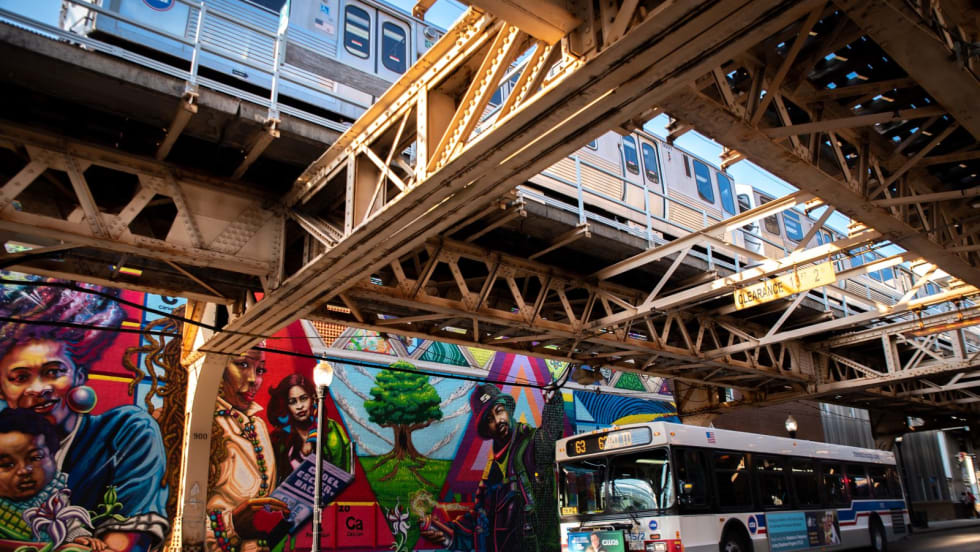
Chicago's NITA Act Moves Into Next Phase as Service Improvements Begin
Rider-focused improvements will begin rolling out across the system immediately as CTA, Metra, and Pace increase service this summer in the six-county region.
Read More →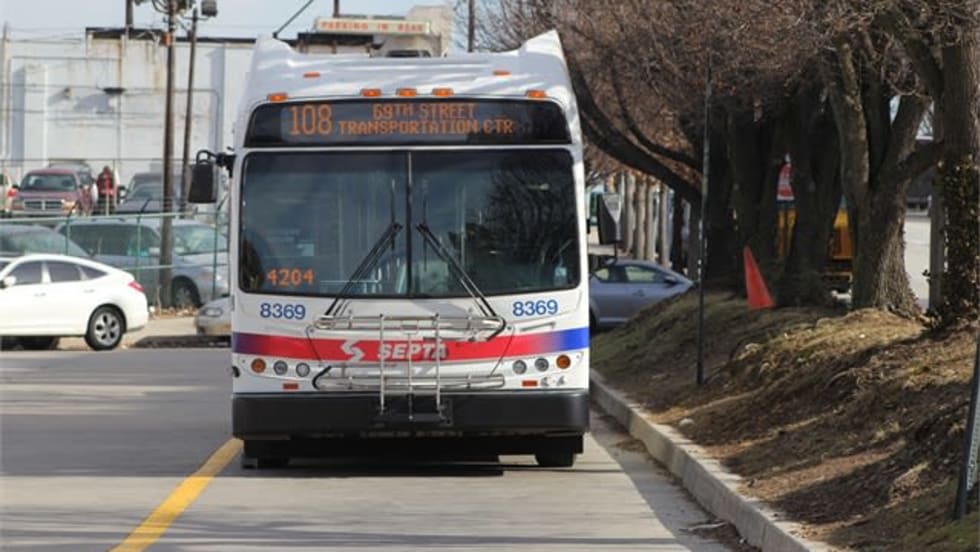
Philadelphia's SEPTA Approves Annual Transit Service Plan
Between 2021 and 2024, SEPTA held more than 200 public meetings — including 144 in-person sessions — throughout the SEPTA service region.
Read More →
A True Low-Floor Minibus Design Delivers Better Accessibility and Efficiency for Everyone
As transit demands evolve, so should your fleet. Download the whitepaper to see how the Low-Floor Frontrunner Minibus compares to traditional options.
Read More →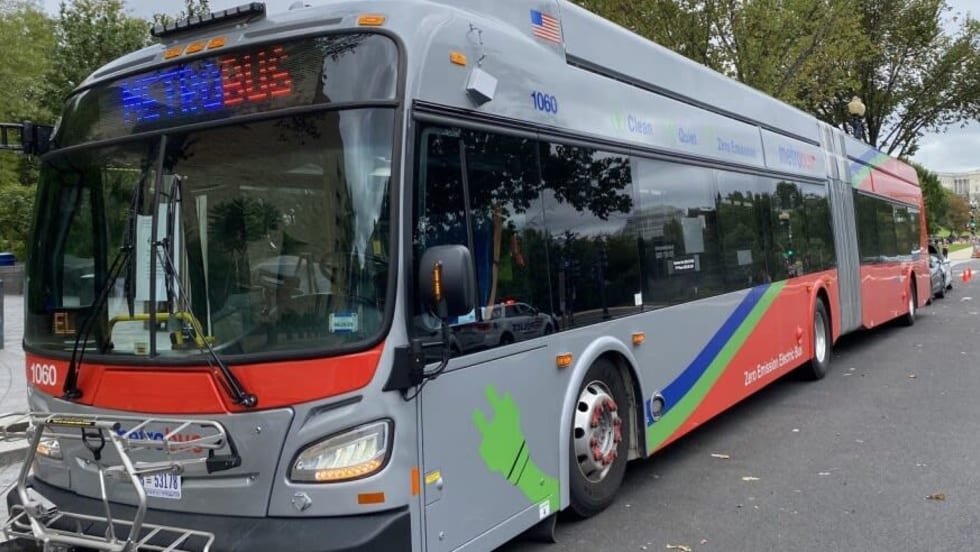
WMATA Debuts 'Fares Pay for Service' Awareness Campaign
The campaign was highlighted during a media event at the Paul S. Sarbanes Transit Center in Silver Spring, where WMATA’s GM/CEO Randy Clarke joined Metro Transit Police officers, WMATA management team, board members, and staff to expand fare enforcement and customer education efforts on Metro Bus routes throughout the region.
Read More →
Biz Briefs: Foothill Gold Line Award, Matawan Contract, and More
From strategic partnerships to acquisitions and service expansions, the industry continues to evolve at a rapid pace. Find out all the latest here.
Read More →