



Chicago's NITA Act Moves Into Next Phase as Service Improvements Begin
Rider-focused improvements will begin rolling out across the system immediately as CTA, Metra, and Pace increase service this summer in the six-county region.


The Regional Transportation Authority will continue to operate as the RTA until September 1, when the terms of the new NITA Board members begin, and NITA is formally established.
Photo: CTA/RTA
- Service improvements are set to begin immediately as part of the NITA Act's next phase.
- CTA, Metra, and Pace will enhance their services this summer within the six-county region.
- The focus of these improvements is to benefit and prioritize riders across the transit system.
*Summarized by AI
The Northern Illinois Transit Authority Act (NITA Act) begins a transition period that will transform public transit in the Chicago region and across Illinois.
Rider-focused improvements will begin rolling out across the system immediately as CTA, Metra, and Pace increase service this summer in the six-county region.
The Regional Transportation Authority will continue to operate as the RTA until September 1, when the terms of the new NITA Board members begin, and NITA is formally established.
Improvements Expected this Summer
This summer, riders will begin to see near-term improvements funded by the 2026 Operating Budget Amendment approved by the RTA board in May, along with planned service changes included in the 2026 agency budgets for CTA, Metra, and Pace.
Improvements from the amendment will roll out throughout the remainder of 2026 and include new safety and security investments, expanded service, the expansion of the reduced-fare Access Program to CTA and Pace, and customer information upgrades across the region.
As required by the NITA Act, the RTA board voted at a special meeting to approve a 0.25% increase to the RTA Sales Tax. The increase takes effect on August 1 across the six-county region (Cook, DuPage, Kane, Lake, McHenry, Will) and will apply to all purchases already subject to the RTA Sales Tax.
The increase is projected to generate $199 million in partial-year revenue for 2026 and more than $500 million in full-year 2027. The additional sales tax increment is a critical step toward stabilizing transit service in 2026, as the federal relief funding the agencies received during and after the pandemic has been exhausted.
“Today marks the beginning of a new chapter for regional transit, and thanks to the NITA Act, transit riders should know that service not only continues without interruption, but will be enhanced,” said Kirk Dillard, chairman of the RTA board of directors. “This summer, riders will begin seeing the benefits of new funding through more security personnel, expanded service, improved fare programs, and better customer information across the region.”
During the summer transition period, the Illinois Governor, Chicago Mayor, Cook County Board President, and the county board chairs of Lake, Will, Kane, McHenry, and DuPage counties will appoint members to the new NITA Board, to be seated by September.
What’s Expected to Change
At its May board meeting, the RTA’s board approved a 2026 Operating Budget Amendment that allocates $132.2 million in new NITA funding for safety, service, and rider experience improvements across the Chicago region.
Nearly $60 million will support safety and security initiatives, including additional officers, a crisis intervention pilot, expanded outreach services, operator bus shields, and new safety technology.
The funding will also support service enhancements across CTA, Metra, and Pace. CTA will expand service on multiple bus routes and invest in reliability improvements. At the same time, Metra will add trains and make all stops regular stops on portions of the Rock Island and Metra Electric lines. Pace will increase frequency, extend service hours, and improve routing on several suburban bus routes.
RTA also announced the Access Pilot reduced-fare program for SNAP recipients will become permanent and expand later this year to CTA and Pace, creating a regional low-income fare program. Meanwhile, fares will remain frozen through at least July 1, 2027, under the NITA Act.
Additional investments include integrated digital signage at key transfer locations, expanded language-access services, and 21 Access to Transit grants supporting pedestrian, bicycle, and other infrastructure improvements near transit stations across the six-county region.
Quick Answers
The NITA Act is a legislative initiative aimed at enhancing public transportation services across the Chicago area, involving agencies like CTA, Metra, and Pace.
*Summarized by AI
More Management

Bus Tech Talk: Keeping Transit Technicians Ahead of the Technology Curve
In this episode of Bus Tech Talk, Complete Coach Works’ Business Development Manager Mark Hollenbeck and METRO’s Executive Editor Alex Roman sit down with Obed Mejia, Senior Technical Trainer for Bus Maintenance, at LA Metro to discuss how rapidly evolving bus technology is changing the maintenance shop — and the skills technicians need to keep pace.
Read More →
Michael Schneider Joins Paslay Group to Expand Transportation Practice
The longtime transportation executive will help Paslay Group grow its advisory and program management work across transit, highway, and other infrastructure sectors.
Read More →
People Movement: Connectpoint Expands Leadership Team, Stadler Names New Group CEO, and More
In this edition, we also spotlight recent personnel moves at Burns, UZURV, and more, highlighting the people taking on new roles across the transportation industry.
Read More →
More Than a Summer Job: Building the Next Generation of Transit Talent
The Delaware River Port Authority and PATCO have transformed their internship program into a hands-on professional development experience that introduces students to the breadth of transportation careers — and creates a pipeline for future employees.
Read More →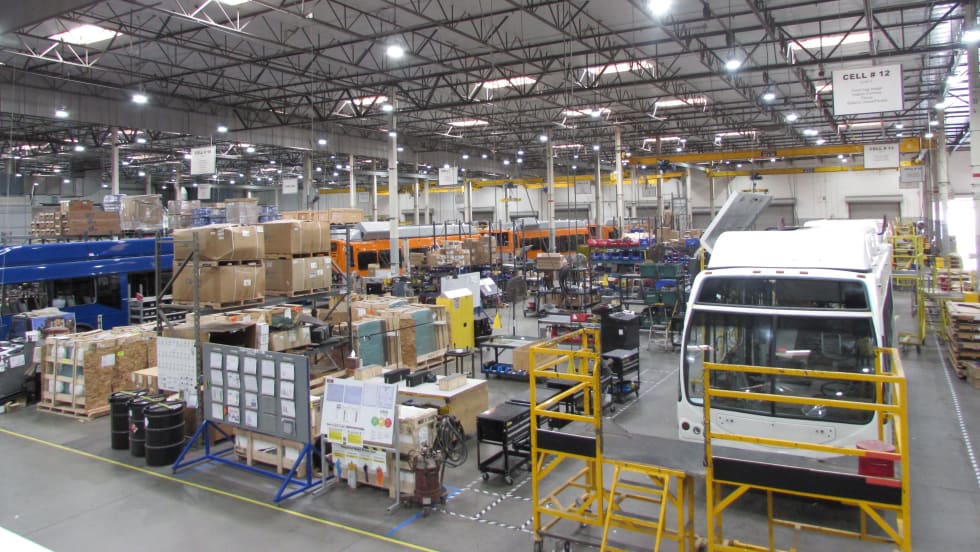
LA Metro Board Awards 220 Battery-Electric Bus Contract to ENC
The contract, which is the largest base award of battery-electric buses by a U.S. transit agency, will be built in Southern California, sustaining good jobs as LA prepares to welcome the world in 2028
Read More →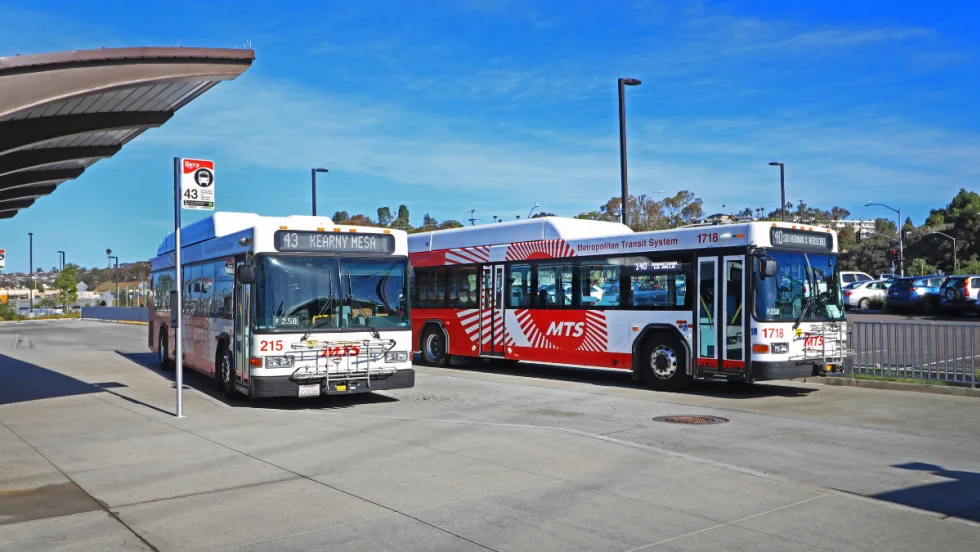
What’s Behind San Diego MTS’s Award-Winning Transit Strategy
Named one of APTA’s 2026 Outstanding Public Transportation Systems with 50 million or more annual passenger trips, California’s San Diego Metropolitan Transit System points to gains in ridership, safety, technology, and reliability as foundations of its success.
Read More →
Public Transit Conference Returning to GFX in 2027, Call for Papers Now Open
The Call for Papers is now open, allowing transit agency professionals and industry experts to help shape the PTC educational program by submitting session ideas for consideration.
Read More →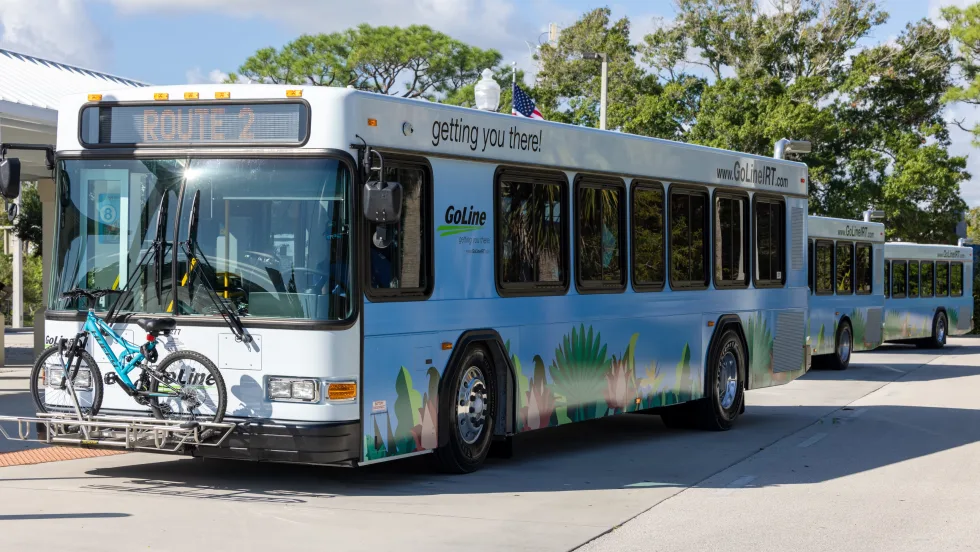
Indian River Transit’s Community-Focused Approach Earns National Recognition
Named APTA’s 2026 Outstanding Public Transportation System in its size category, Florida’s Indian River County transit system continues to grow ridership through fare-free service and a focus on evolving community needs.
Read More →
ENC Lands MATA Contract and More in Biz Briefs
In this edition of Biz Briefs, we spotlight the latest developments shaping the future of mobility.
Read More →From Surviving to Thriving: Building Stronger Transportation Organizations
Bus Business Consultants founder Brian Dickson shares lessons on leadership, organizational health, and creating options for long-term success in a changing transportation industry.
Read More →