The Colorado Department of Transportation (CDOT) established a new Office of Innovative Mobility. The office will elevate the role of the existing Division of Transit and Rail, integrating its functions with other means of expanding mobility options, including through ridesharing, electrification, and emerging technologies.
The new office, which reports directly to the executive director, will also serve as the lead within CDOT for the Governor's transportation electrification workgroup, which CDOT co-chairs.
Sophie Shulman was chosen to lead this new office, as chief of innovative mobility. Shulman most recently led partnerships and business development at Electrify America, an electric vehicle charging company, and has extensive experience in innovative transportation technologies, including at the U.S. Department of Transportation, where she served as the acting assistant secretary for research and technology.
During her time at U.S. DOT, Shulman worked extensively on the $40 million Smart City Challenge grant, which included engagement with many Denver and Colorado stakeholders. Shulman also served at the White House, including as deputy chief of staff at the Domestic Policy Council, and at the U.S. Department of Energy.
CDOT has approximately 3,000 employees throughout Colorado, and manages more than 23,000 lane miles of highway and 3,429 bridges. CDOT also manages grant partnerships with a range of other agencies, including metropolitan planning organizations, local governments, and airports, and administers Bustang, the state-owned and operated interregional express service.
The Scheduling and Supply Studio provides the world’s first fully integrated platform for optimizing vehicle and driver availability to rider demand, said company officials.
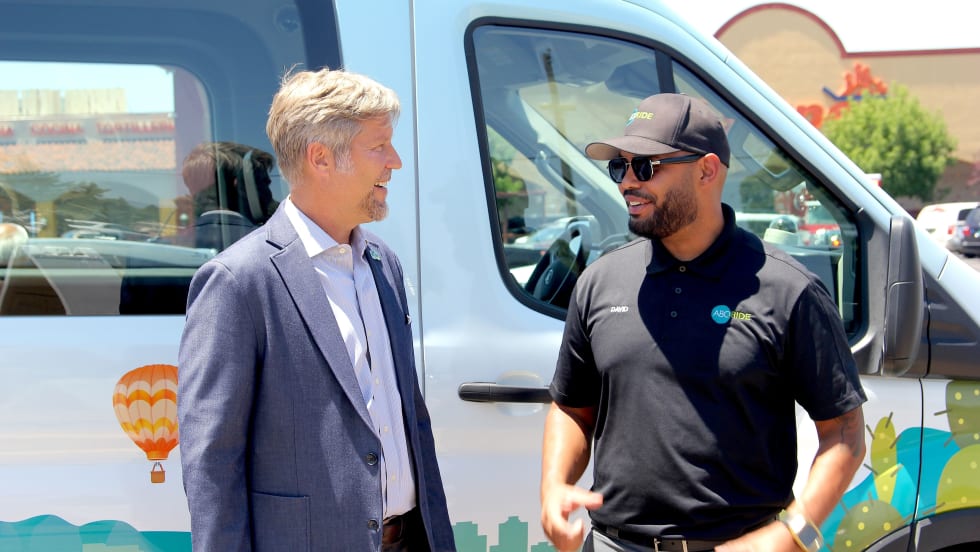
ABQ RIDE Forward is the first transit system overhaul in more than 25 years. This latest phase marks 15% completion of the 16-phase rollout, which will continue over the next several years.
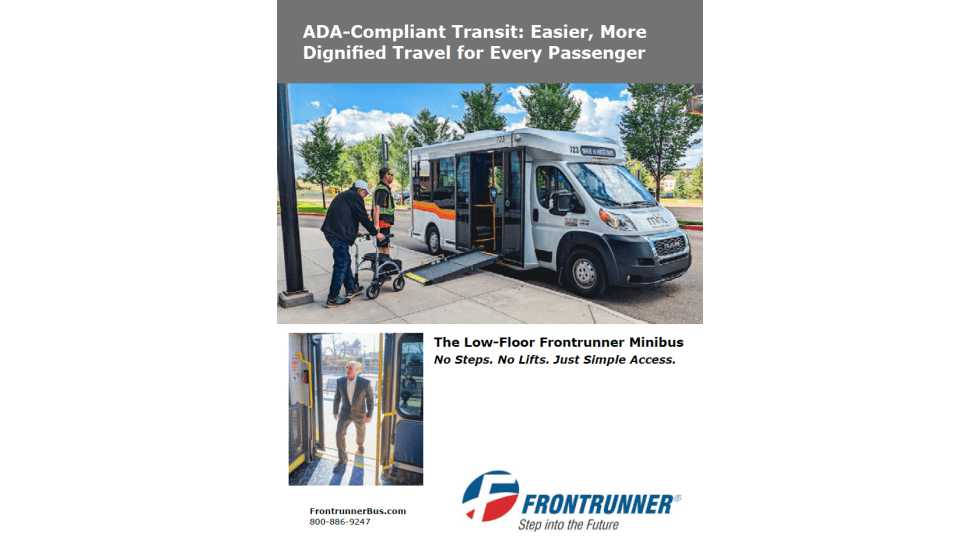
Today’s riders—and the communities you serve—expect more from public transit. While ADA compliance is required, leading transit agencies know that true accessibility also means delivering dignity, efficiency, and a better rider experience. This whitepaper reveals why forward thinking agencies nationwide choose the Low Floor Frontrunner as their first choice for ADA compliant vehicles—setting a new standard with passenger first design, faster boarding, improved safety, and unmatched operational performance.
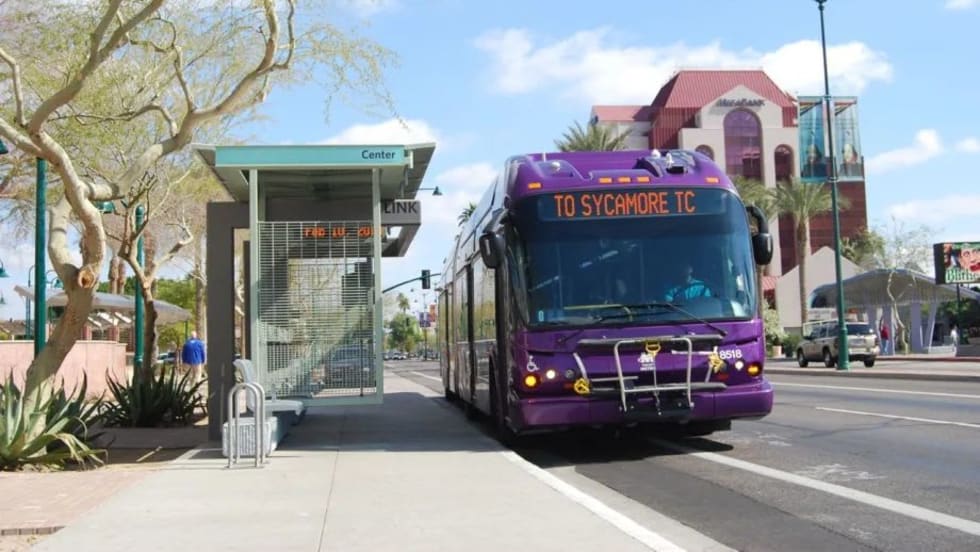
Under this extension, Keolis will continue to manage and operate fixed-route bus service across the East Valley, serving communities including Tempe, Mesa, Chandler, Scottsdale, the town of Gilbert, parts of Phoenix, and the Gila River Indian Community.
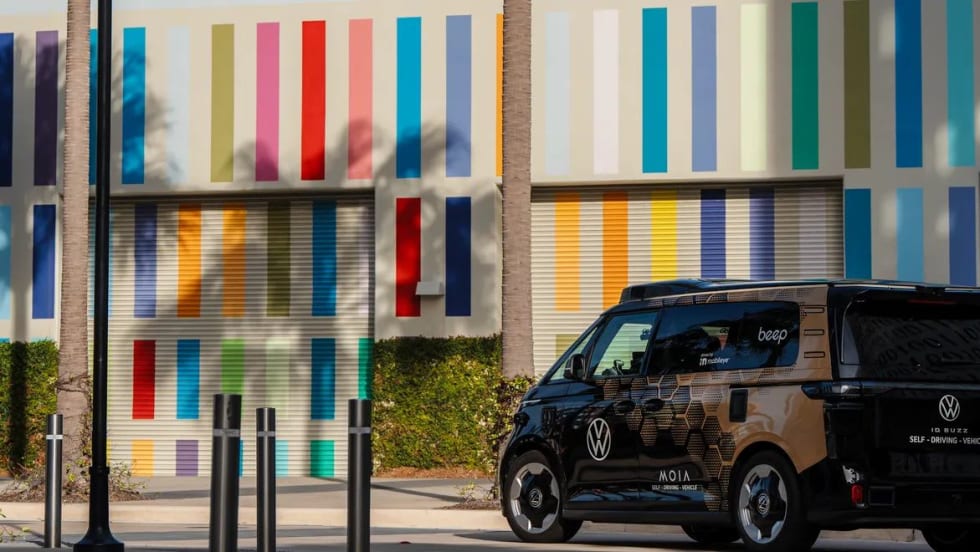
Through the strategic partnership, MOIA America will provide MOIA’s turnkey autonomous mobility solution. This includes purpose-built, autonomous-ready ID. Buzz vehicles equipped with the self-driving system developed by Mobileye, as well as operator training and enablement.
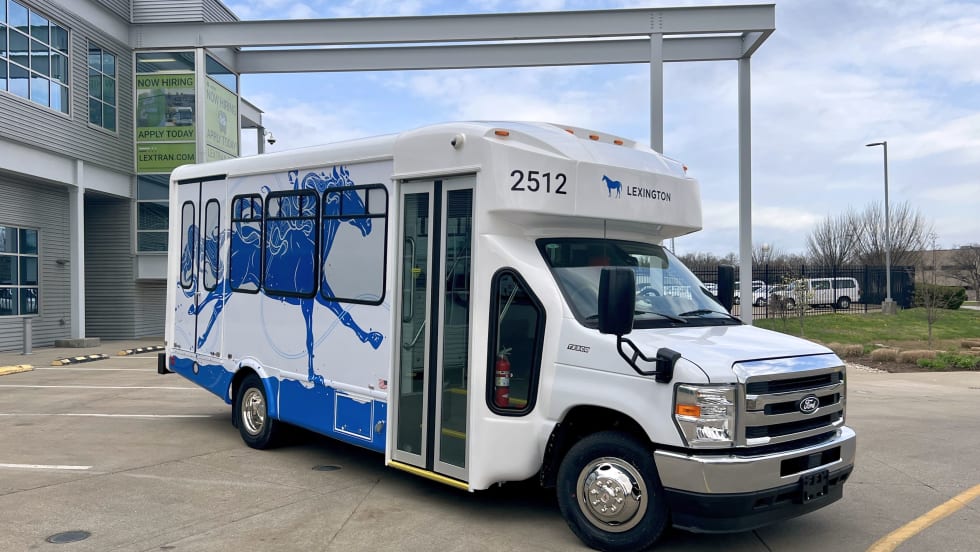
LexRide connects key destinations, including Downtown Lexington, the Distillery District, and the Warehouse Block/National Avenue area, making it easier to explore without worrying about parking, traffic, or multiple rideshare trips.
Sustainability Partners’ Arnold Albiar discusses how a service-based approach is helping airports and public agencies deploy and manage electric fleets more efficiently.