



Edmonton Transit launches security presence at select stations
Will deploy security guards at 25 transit centers/stations that have had at least one major incident reported in the past five years.


A third-party contractor will deploy security guards at 25 of Edmonton Transit System's transit centers/stations that have had at least one major incident reported in the past five years. Photo: City of Edmonton

A third-party contractor will deploy security guards at 25 of Edmonton Transit System's transit centers/stations that have had at least one major incident reported in the past five years. Photo: City of Edmonton
Edmonton Transit Service (ETS) will begin implementing rotating security guards 24/7 at selected transit centers throughout Edmonton. The security enhancement is part of ETS’s ongoing commitment to keep citizens, operators and staff safe.
Phased in over two weeks, a third-party contractor will deploy security guards at 25 transit centers/stations that have had at least one major incident reported in the past five years. At selected LRT stations, security guards will be assigned to a particular facility for the majority of their shift, but will transition to another facility when these LRT stations close at night.
“We’re committed to keeping our transit system safe and accelerating security initiatives to make it safer,” says Eddie Robar, branch manager, ETS. “Having onsite security guards is one of the best ways to deter crime and disorder.”
Security guards will wear highly visible jackets or vests and will patrol throughout their shift. They will interact with the public and work closely with Transit Peace Officers and Edmonton Police Service to ensure customers, staff, and city assets remain safe, according to city officials. Security guards are onsite to observe and report and will contact 9-1-1 for emergencies. For nuisance and disorder, they will contact the ETS Control Center, who will dispatch necessary support.
Security guards will receive appropriate orientation, training, and operational knowledge to effectively patrol their assigned location, according to city officials.
More Security and Safety
What Transit Maintenance Facilities Should Know About Gas-Detection Placement
Proper gas-detector placement is critical to maintaining safety in transit maintenance facilities, requiring agencies to consider fleet fuel types, ventilation, shop operations, and ongoing equipment maintenance.
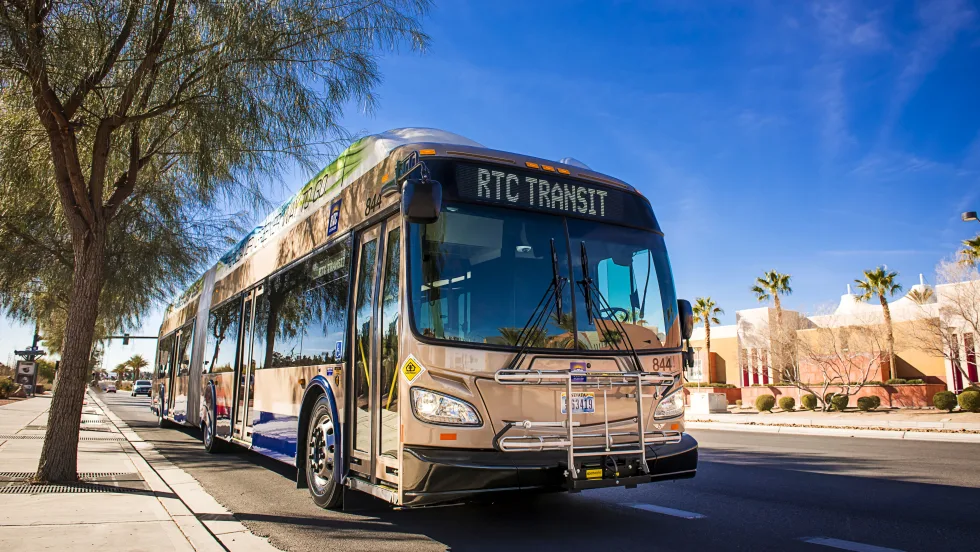
RTC Reports Nearly 29% Drop in Transit Operator Assaults
The Las Vegas agency credits expanded security measures, training, and technology for improved safety in FY 2026, while security officers have helped save 19 lives through overdose-response efforts.

Improving Transit Safety and Reliability Through AI
Hayden AI’s Chief Growth Officer, Charley Territo, discusses how AI-powered camera enforcement is helping transit agencies keep bus lanes and stops clear, improve accessibility, and move from pilot programs to full-scale deployments.

Study: Denver RTD Generates $2.1 Billion in Annual Economic Activity
An economic impact study finds the agency supports approximately 17,500 jobs, delivers $1.6 billion in annual community and mobility benefits, and generates $2.42 in economic value for every dollar invested.

SEPTA Launches 'Reach' Program to Connect Vulnerable Individuals with Support
The initiative deploys specialists throughout Philadelphia’s transit system to connect individuals with housing, healthcare, and social services while addressing safety and quality-of-life concerns.
LADOT to Launch Bus-Mounted Camera Enforcement on DASH Buses
The program will begin with a 60-day warning period before citations are issued in January 2027, joining similar efforts across Southern California to improve bus reliability, safety, and accessibility.

New York MTA Launches Historic $1.9B Signal, Track Modernization Project
Funded in part by congestion pricing revenue, the project will replace nearly century-old signals along the A and C lines in Brooklyn and Queens.

CSA Group Releases Climate Resilience Standard for Transit, Passenger Rail
Developed with support from the Standards Council of Canada, CSA D700 guides assessing climate-related risks and planning adaptation measures for transit and passenger rail systems.
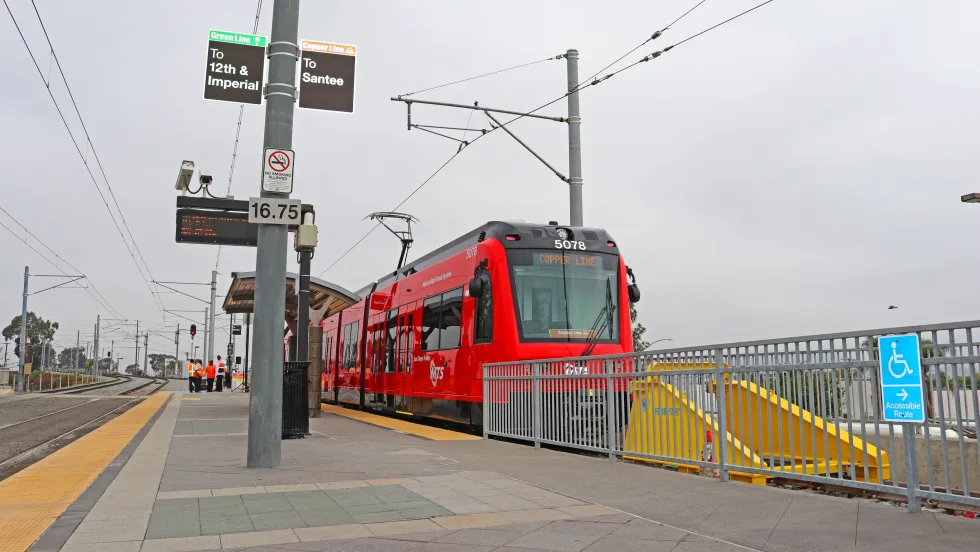
San Diego MTS Approves New Fare Evasion Penalty Program
The new administrative process will move eligible violations out of the criminal court system, cap penalties at $125, and provide flexible payment options for riders.

RTC of Southern Nevada Reports 29% Drop in Transit Operator Assaults
The agency credits expanded security measures, employee training, and technology investments for improvements in transit safety, while security officers have responded to 19 suspected overdoses since July.