



MCI brings state-of-the-art features to J4500, set to introduce J3500 at BusCon
Both vehicles share coach systems technologies including electric, HVAC suspension, brakes, axles, frame, and body components.

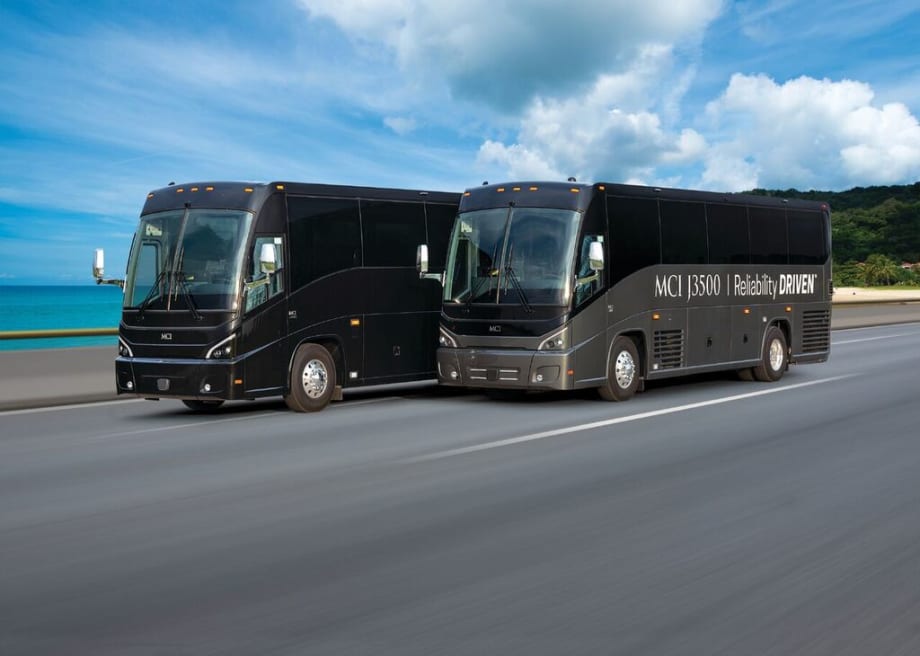
MCI will officially launch the MCI J3500 coach to the industry during BusCon Expo at the Indianapolis Convention Center October 1 to 3.

Motor Coach Industries (MCI), a U.S. subsidiary of NFI Group Inc., is expanding its 2019 model line up with a new arrival — a compact new MCI J3500 coach to meet increasing demand for right-sized comfort for smaller groups, niche customers, and new markets, and introduces important advances on the 2019 best-selling MCI J4500 with all electric coming in 2020.
MCI will officially launch the MCI J3500 coach to the industry during BusCon Expo at the Indianapolis Convention Center October 1 to 3.
“With the launch of a 35-foot J to all-electric versions of our best-selling models, MCI’s moves are based on feedback from our customers and requirements to meet their marketplace needs,” said Ian Smart, MCI president. “Travel by motorcoach is more relevant than ever. Our goal is to help capture new riders by offering a versatile coach product line with innovative features and long-term reliability.”
Featuring all the styling and performance of the 45-foot MCI J4500, the new 2019 MCI J3500 comfortably seats up to 44 passengers with best in class interior, baggage capacity among all 35-foot vehicles and top maneuverability for congested city streets, airport terminals, and other busy transportation settings.
As for its respected sibling, the 2019 MCI J4500 builds on its striking 2018 interior redesign with mechanical and safety upgrades to match, including Advanced Driver Assistance Systems (ADAS) technology delivered by the optional next-generation Bendix Fusion.
Both J-Series models are built to delight owners and operators watching their maintenance budgets and maximizing uptime. A new e-Fan system boosts fuel efficiency delivering on lowest total cost of operation, with NFI Parts (new name of MCI Service Parts) parts support and near-zero learning curve for busy maintenance teams. Both models also come with the industry’s top limited warranty of 30 months with unlimited miles.
The 2019 J4500:
MCI continues serviceability and reliability improvements, along with further enhancements to the award winning interior and best-in-class interior space that offers industry leading legroom and comfort in a 60-seat passenger configuration launched in model year 2018. For 2019, the J4500 also features:
A new swing-out cooling module e-Fan system improves coach reliability and fuel economy while drastically reducing the time required for service to after treatment sensors and all “hot side” engine components.
The optional next-generation BENDIX WINGMAN FUSION with radar and camera to detect and stop for stationary objects (SVB), including lane departure warning (LDW), following distance alerts (FDA), and traffic sign recognition (TRS), in addition to Adaptive Cruise Control with Braking (ACB) and Collision Mitigation (CMT).
Several other model year 2019 improvements include enhancements to MCI’s optional 360-degree camera system; added condition air supply vents to the driver’s cockpit; a new sliding upper door for the wheelchair lift; and further adjustments to coach’s back cabin interior to increase passenger comfort.
The 2019 J3500:
For MCI, the development of a 35-foot coach answers an important market need.
“The MCI J4500 built its leadership status as a luxury, high-capacity coach that remains the perfect choice for larger ridership in the tour, charter and shuttle industry,” said Brent Maitland, MCI VP, marketing and product planning. “But our operators told us they wanted the same luxury and functionality in a coach for smaller-sized groups that offered great maneuverability, a smooth ride and best-in-class payload capacity. We think the J3500 and J4500 pairing gives operators real market flexibility. The J3500 coach delivers a ride quality you simply can’t find in a smaller, alternative vehicle. Its overall comfort and best-in-class baggage space can enable everything from ski trip excursions to private executive and employee transport.”
A summary of MCI’s newest 35-foot coach advantages include:
Semi-monocoque construction equal to the J4500 means longer vehicle life and also makes for a quieter, smoother ride over the life of the coach.
An interior experience to match the J4500 — best-in-class legroom for up to 44 passengers and the largest baggage bay and enclosed parcel rack space than the nearest competitor.
Interior options equal to the J4500, including an all-new optional rear window, interior RGB programmable lighting, and coordinated interior trim packages in Blues, Lounge, and Tech.
With a turning radius of just under 33 feet the J3500 means top maneuverability — literally opening up new cities, roads and neighborhoods for expanded coach service.
Both the J3500 and J4500 share coach systems technologies including electric, HVAC suspension, brakes, axles, frame, and body components. Equipped with or without wheelchair lift and lavatory, the J3500 has a smaller, yet powerful 2017 EPA Cummins L9, 350 hp, 1150 lb-ft torque w/engine brake and Gen V Allison B500, six-speed automatic with prognostics capability.
“These product enhancements stem from significant support and investment from the NFI Group and continues to build on our industry leadership,” said Smart. “In the last year, we’ve not only taken our J4500 to a new level, but we’ve launched our D45 CRT LE with patent-pending Low Entry vestibule providing a significant improvement to accessibility for all passengers and especially for those with mobility disabilities. Further, we’ve committed to our batter-electric CHARGE range of vehicles with testing well underway and ahead of the production start.”
More Bus
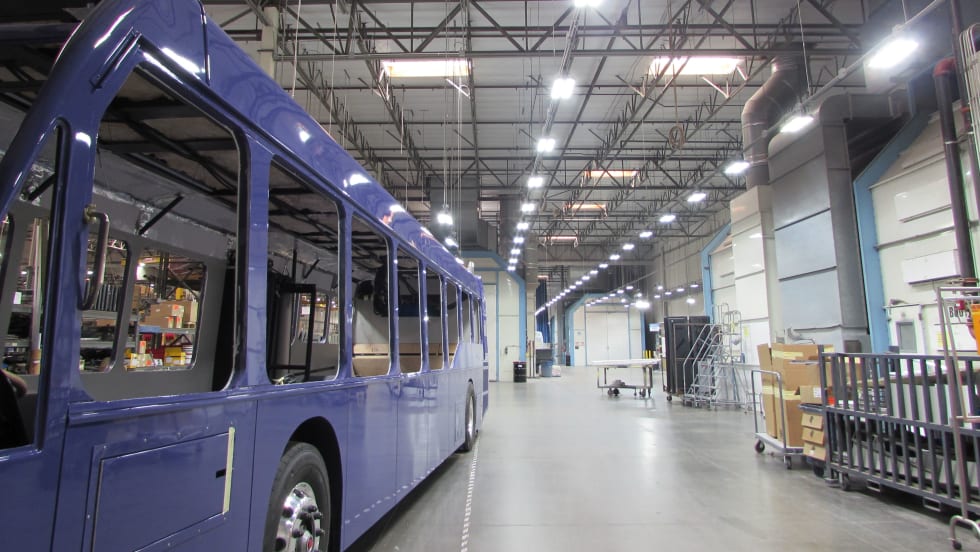
ENC to Deliver Three Clean Diesel Buses to Canada's York Region Transit
Since 2005, City View and ENC have supplied nearly 90 E-Z Rider II buses to YRT.
Read More →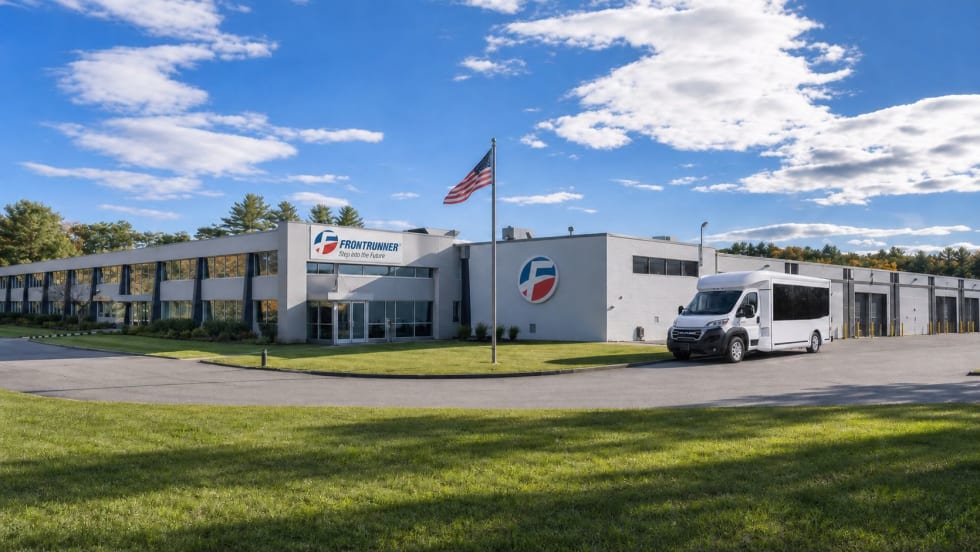
Frontrunner Bus Group Expands with New Massachusetts Headquarters
The significantly larger facility will provide the infrastructure needed to support the company’s growing workforce, advanced technologies, and expanding product line.
Read More →
Joshua Schank on Transportation Innovation, Risk, and the Future of Mobility
In this edition of METROspectives, Joshua Schank discusses lessons from launching LA Metro’s Office of Extraordinary Innovation, the challenges of advancing new mobility technologies, and much more.
Read More →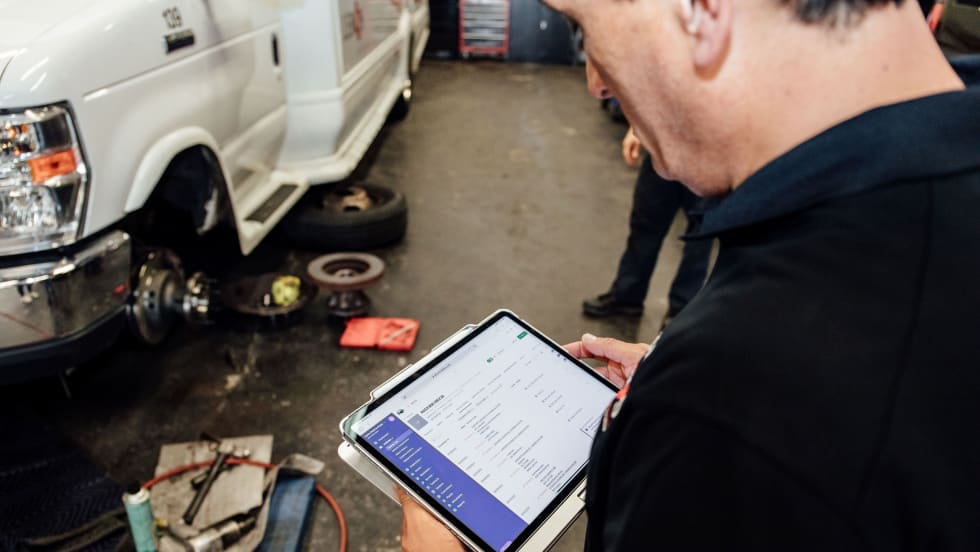
Reinventing Fleet Maintenance with Real-time Visibility and AI
Transit leaders need to know what needs fixing, where to look, who is responsible, when work is completed, and what it costs without having to chase information across disconnected systems.
Read More →
SamTrans Sets Priorities for Potential Connect Bay Area Revenue
The board-approved framework allocates future funding to maintaining service, rider improvements, equity initiatives, and infrastructure repairs.
Read More →
When Routine Fails: How Public Transit Must Adapt for the World Cup
The 2026 FIFA World Cup will test transit agencies’ ability to manage unpredictable travel patterns, making real-time data and operational flexibility critical to moving millions of visitors efficiently.
Read More →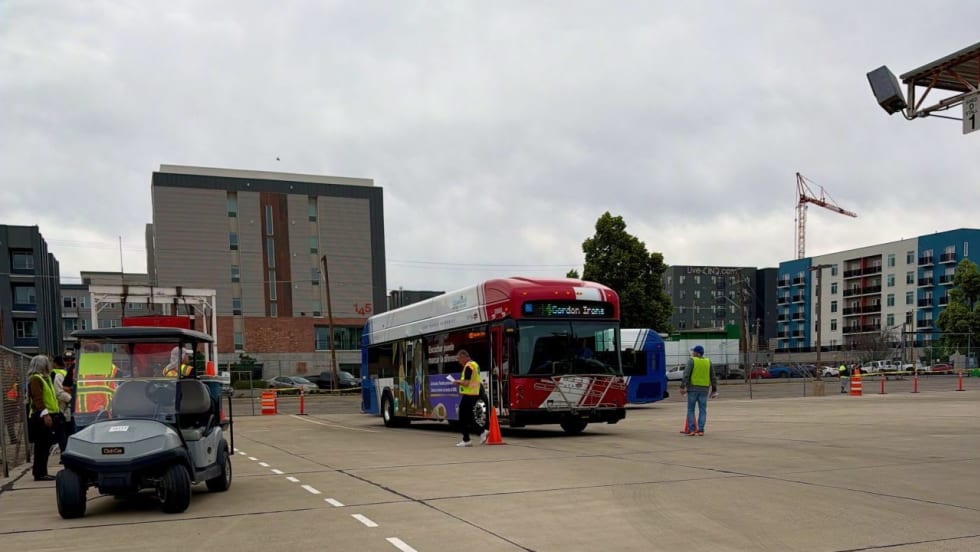
Photo Highlights from APTA's 2026 Mobility Conference
The photo gallery captures scenes from the conference, including the International Bus Roadeo, exhibit hall activities, the Bus Showcase, and much more.
Read More →
Chicago's NITA Act Moves Into Next Phase as Service Improvements Begin
Rider-focused improvements will begin rolling out across the system immediately as CTA, Metra, and Pace increase service this summer in the six-county region.
Read More →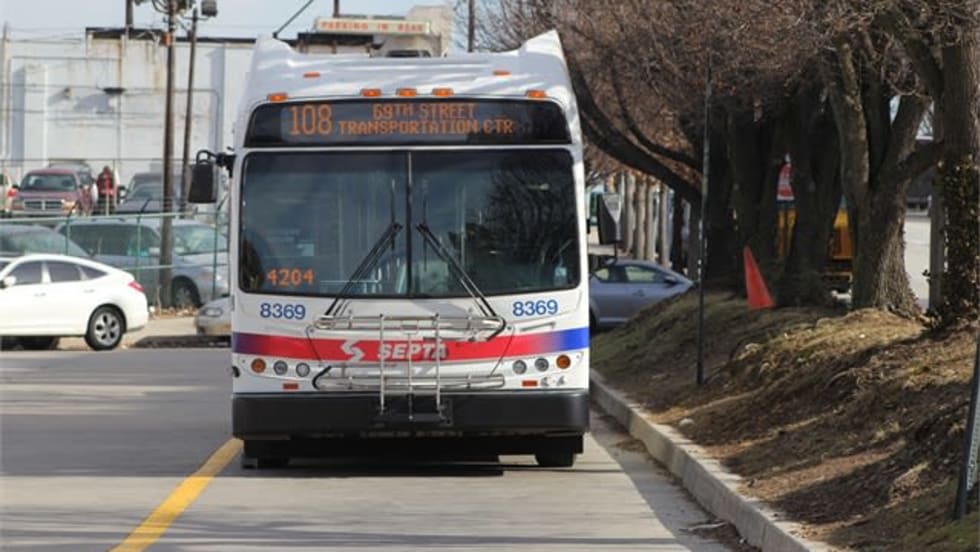
Philadelphia's SEPTA Approves Annual Transit Service Plan
Between 2021 and 2024, SEPTA held more than 200 public meetings — including 144 in-person sessions — throughout the SEPTA service region.
Read More →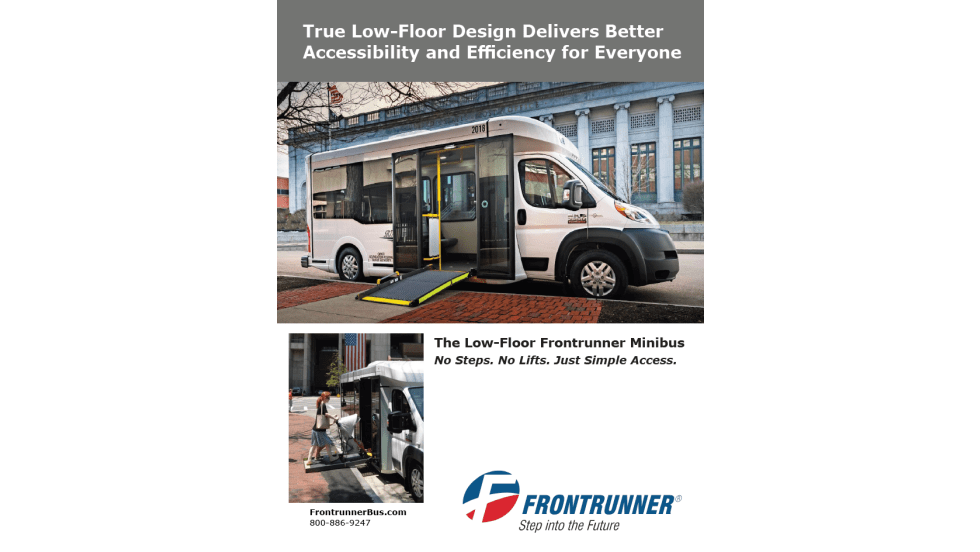
Low-Floor vs. High-Floor Cutaway vs. Modified Van: How 3 Accessible Minibus Designs Compare
As transit demands evolve, so should your fleet. Download the whitepaper to see how the Low-Floor Frontrunner Minibus compares to traditional options.
Read More →