



Santa Monica's Big Blue Bus earns APTA Gold Safety, Security Award
BBB has steadily decreased its preventable accident rate from 2.21 accidents per 100,000 miles in fiscal year 2015 to 1.83 accidents per 100,000 miles in FY 2017.


BBB highlighted its proactive approach to reducing preventable accidents and improving system safety by enhancing its existing programs and introducing new ones.
Big Blue Bus

Santa Monica, Calif.’s Big Blue Bus (BBB) was awarded the 2018 Bus Safety and Security Gold Award by the American Public Transportation Association (APTA) in the category of Safety for transit agencies with more than four million but fewer than 20 million passenger trips annually.
The Gold Award honors organizations with the best overall bus safety and security program for all transit organizations throughout the U.S. Additionally, recipients play an integral part in benchmarking successful programs that can be adopted by other public transit systems aiming for similar benefits.
“I would like to thank every BBB staff member for their contributions, especially our motorcoach operators who operate our fleet of 200 buses in one of the most congested and challenging service areas in the country,” said Ed King, director, transit services. “We have invested significant resources over the last three years to launch a comprehensive employee safety program that provides intensive training and retraining programs for all BBB staff. These strategic investments are paying off with a tangible reduction in preventable accident rates and passenger injuries. We are honored to have the hard work of staff recognized by APTA with this top award.”
BBB highlighted its proactive approach to reducing preventable accidents and improving system safety by enhancing its existing programs and introducing new ones. These enhancements included:
Rollout of a comprehensive and interactive accident review and retraining process.
Extensive rail safety education campaign prior to the inauguration of Metro’s Expo Line in 2016.
Relaunch of BBB’s “Hazard/Near Miss” employee safety reporting program.
Mandatory quarterly safety meetings for all Motor Coach Operators with safety topics focused on service delivery.
As a result, BBB has steadily decreased its preventable accident rate from 2.21 accidents per 100,000 miles in fiscal year (FY) 2015 to 1.83 accidents per 100,000 miles in FY 2017. The passenger injury rate also decreased from 1.89 injuries per 100,000 miles in FY 2015 to .41 injuries per 100,000 miles in FY 2017.
More Bus
Building the Next Generation of Transit Technology
In this edition of METROspectives, Luminator CEO Magnus Friberg discusses the company's transformation, the growing role of AI and software, and what's next for transit technology.
Read More →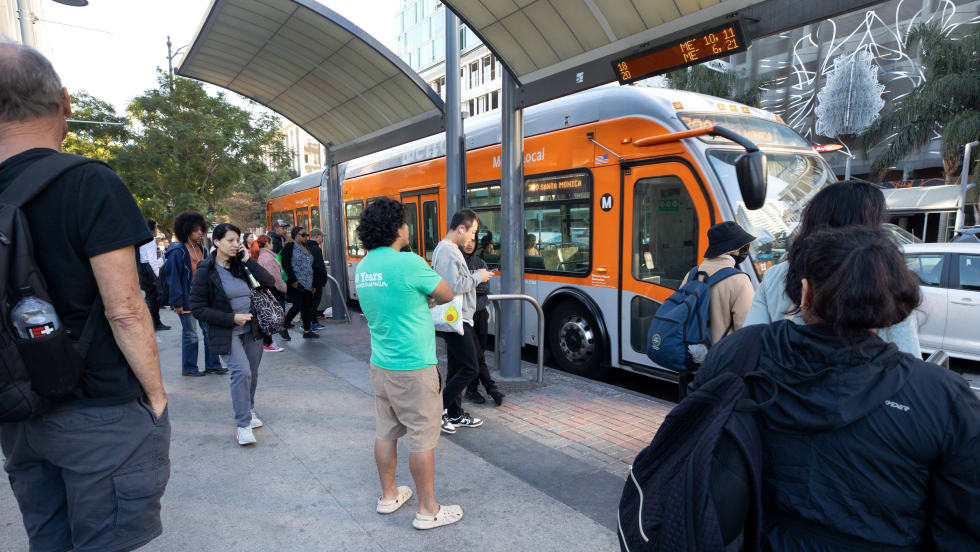
June LA Metro Ridership Surges 2 Million Year Over Year
Total June ridership increased for both weekdays and weekends. Weekday ridership was 953,820, which grew 8.4% from June 2025; Saturdays increased nearly 13% year-over-year to 708,826; and Sundays increased 7.7% to 611,534 from June 2025, according to LA Metro.
Read More →
Washington's Pierce Transit Board Sends Transit Funding Measure to November Ballot
With the adoption of Resolution 2026-006, the measure moves to the Pierce County Auditor, giving voters in the Pierce Transit service area the decision on whether to fund an expansion of local transit service within the agency’s service area.
Read More →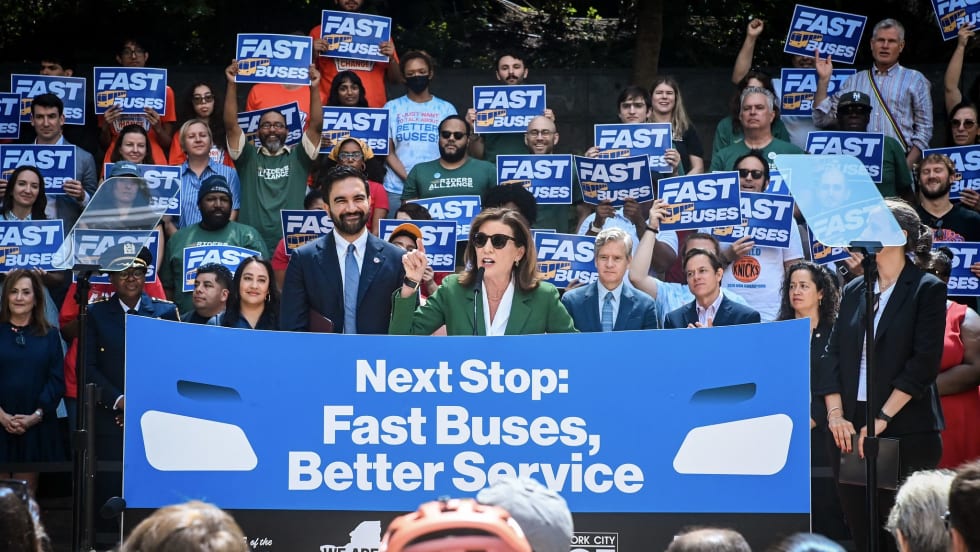
New York Unveils Sweeping Plan to Modernize City Bus Service
Next Stop: Fast Buses, Better Service identifies 50 priority bus corridors for improvements across the five boroughs and launches the City’s next generation of rapid bus service along five key routes.
Read More →
CTDOT Taps STV for Electric Bus Facility Design
The firm will work with CTDOT and RVT to define the facility layout, operational requirements, and long-term flexibility for RVT’s growing electric fleet.
Read More →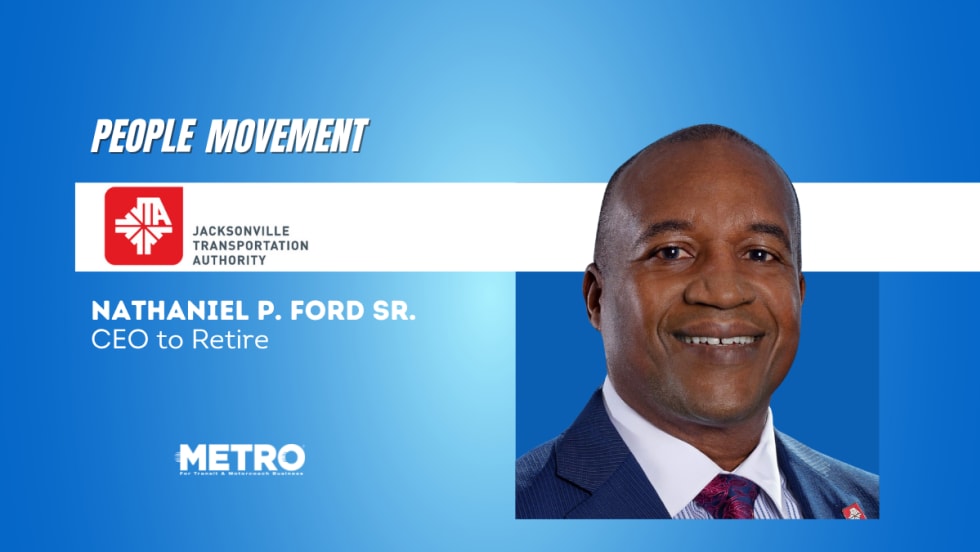
Ford to Leave JTA After More Than 10 Years as CEO
He plans to continue his work advancing innovative mobility solutions to improve the quality of life in communities across the nation. He did not announce specific plans.
Read More →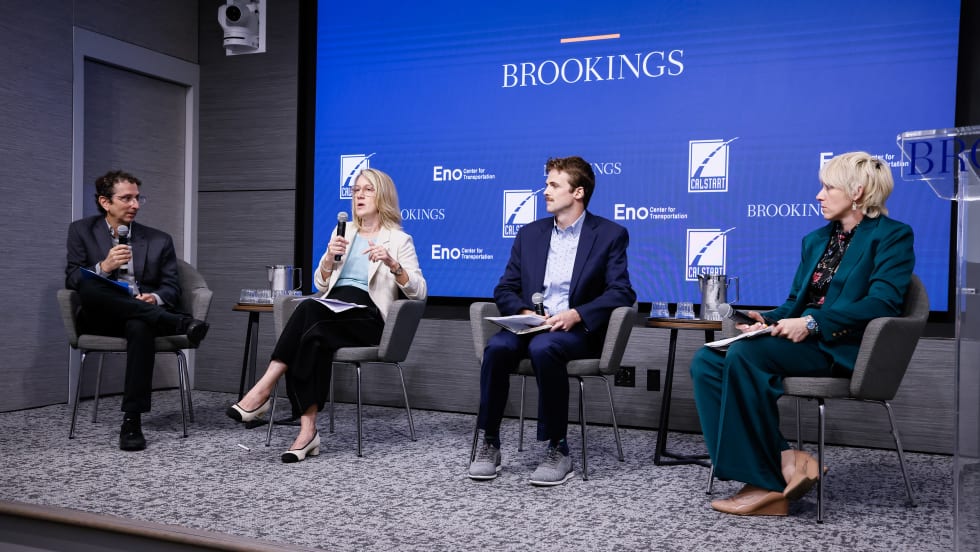
Transit Leaders Push for Bus Procurement Reforms to Reduce Costs
Industry experts said reducing unnecessary bus customization and modernizing purchasing practices could help transit agencies buy more vehicles, improve reliability, and make better use of limited funding.
Read More →
Executive Order Aims to Improve Transit Access Across California
The order directs state agencies to streamline transit project delivery, improve coordination, and expand access to bus and passenger rail services across California.
Read More →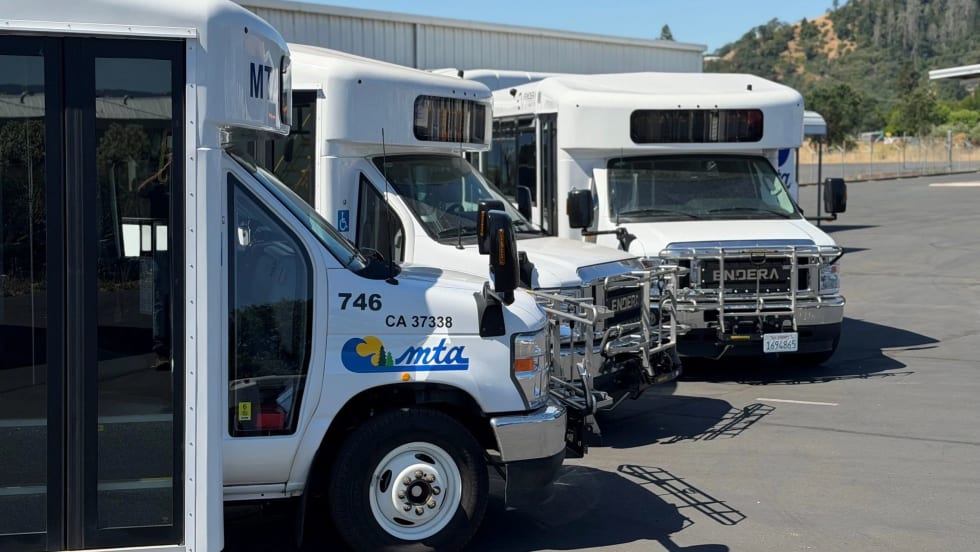
Biz Briefs: Endera Delivers to California, Safety Vision Teams with San Antonio's VIA, and More
From manufacturers and suppliers to transit agencies and motorcoach operators, these updates offer a snapshot of the projects, partnerships and business moves driving the industry forward.
Read More →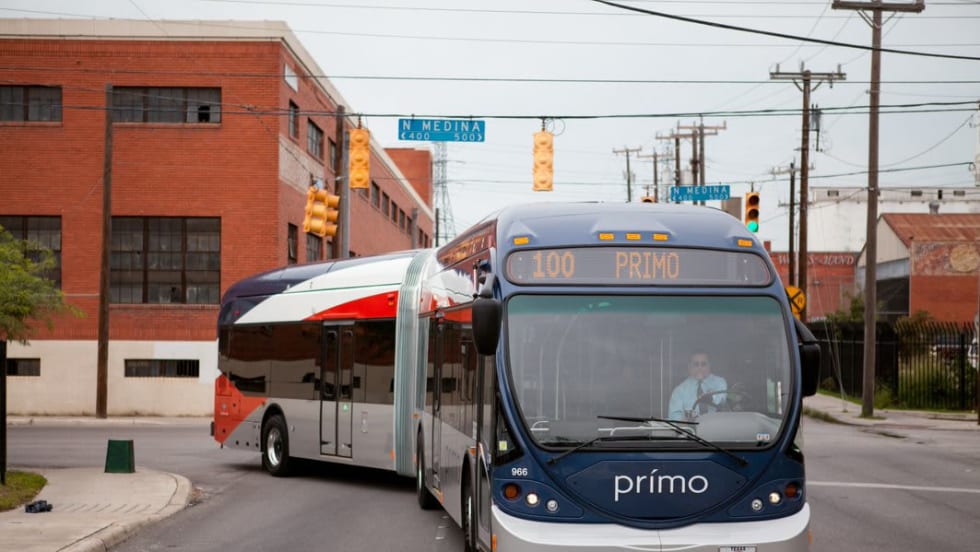
VIA's Silver Line Clears Environmental Review, Advances Toward Construction
The VIA Rapid Green Line is currently under construction, with service expected to begin in April 2028.
Read More →